Languages
Sunday, November 8, 2026



News and Views from the Global South
Middle East & North Africa
Obama Pressed on Syrian End-Game
With the Bashar Al-Assad regime badly bloodied by last week's assassination of its top security officials and fierce fighting over the weekend in both Damascus and Aleppo, the administration of President Barack Obama is being pressed on the U.S. role in the presumed end-game.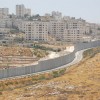
Israel Walls Itself In
As Israel continues to build walls and fences along virtually each of its borders, analysts say the country’s isolationist policies and unwillingness to deal with the Palestinians and other Arab neighbours through anything other than forceful means spells disaster.
Syria Escapes Threatened Sanctions by Third Double Veto at U.N.
Syria became the first country in the history of the United Nations to be "protected" for an unprecedented third time by double vetoes cast by Russia and China in the Security Council.Netanyahu – Unlike Olmert – Refuses Explicit Iran Attack Threat
The perception that Israeli Prime Minister Benjamin Netanyahu is threatening to attack Iran’s nuclear facilities unless sanctions and diplomacy succeed in shutting them down has been the driving force in the Iran crisis.Syria Blast Strikes at Heart of Assad’s Rule
Syria's defence minister and interior minister are among those who were killed after a suicide bomber struck the National Security building in Damascus during a meeting of cabinet ministers and senior security officials, state media reported.
Anti-Terror Laws Stalk Turkish Students
Ahmet Saymadi slumps into a cafe, gives a limp handshake to some friends, and then stops at a computer to do some work. When he finally pauses for a tea break, he pushes a CD across the table, which contains the names of all 768 student activists currently imprisoned in Turkey’s jails.
Russia Says West Using “Blackmail” over Syria
Russia has said it would block moves at the U.N. Security Council to extend a U.N. monitoring mission in Syria if Western powers did not stop resorting to "blackmail" by threatening sanctions against Damascus.‘Israeli Bouazizi’ Raises Questions
During a march Saturday marking one year since social protests engulfed Israel, a man silently set himself on fire, leaving behind him a painful “I accuse!” letter that exposes widespread disillusionment in the face of the immense expectation for change, and the abyss between the people and the State.
Brotherhood Wins, Military Prevails
The first major confrontation between Egypt's new Islamist president and its quasi-ruling military council – fought over the issue of legislative authority – appears to have been won by the latter.
Human Rights Worse After Gaddafi
“The human rights situation in Libya now is far worse than under the late dictator Muammar Gaddafi,” Nasser al-Hawary, researcher with the Libyan Observatory for Human Rights tells IPS.
Egypt’s New Unions Face Uncertain Future
The independent trade unions that have sprung up across Egypt over the last 17 months face an uncertain future, caught between Islamists and the military and operating under labour laws that have not changed since Hosni Mubarak was in power.
Voting for Peace in the Distant Desert
On election day long lines of people from Sabha’s impoverished community of Tayuri waited to vote under the harsh Saharan sun. Four hundred miles from the Mediterranean coast, Sabha is tucked into the volatile southwest bordering Algeria, Niger and Chad.IOC in Talks with Saudi Arabia over Male-Only Team
The International Olympic Committee has said it is in talks with Saudi Arabia, after Human Rights Watch called for Riyadh to be barred from participating in the London Olympic Games.Widespread Muslim Scepticism of U.S. as Democracy Advocate
Despite continuous assurances that the United States favours democratic rule during the 18-month-old "Arab Spring", majorities or pluralities in six predominantly Muslim countries see Washington as an obstacle to their democratic aspirations, according to a new survey released here Tuesday.
Libya May Steer Clear of the Islamist Way
Libyans appear to be putting their hopes in Mahmoud Jibril’s liberal National Forces Alliance (NFA) to cement a coalition and build bridges between Libya’s fractious militias. Many believe the party can also unite other ideologically opposed political parties, and both opponents and supporters of former dictator Muammar Gaddafi.Key Syrian Defection Heartens U.S.
The defection this week of a key general with longstanding ties to Syrian President Bashar Al-Assad was hailed Friday by officials in the administration of U.S. President Barack Obama as an important step towards ending the regime.
Israel Divestment Campaigns Gain Momentum in U.S.
A resolution at the General Assembly of the Presbyterian Church (USA) to divest from three corporations which provide equipment used to maintain Israel's occupation of Palestinian lands failed by a mere two votes on Thursday.
Libya Prepares an Advance of the Young
On the eve of Libya’s historic elections for a General National Congress on Saturday, Jul. 7, the seaside capital’s bustling streets are lined with hundreds of campaign posters advertising electoral candidates - including those of women and youth - jockeying for a stake in their country’s future.Analysts Say Nuclear Talks Should Continue Despite Sabre-Rattling
The one agreement that talks between Iran and the P5+1 - the five permanent members of the U.N. Security Council plus Germany - produced after a "technical meeting" in Istanbul was a decision to schedule more talks.The Battle for Federalism in Libya’s East
With Libya's first election in more than four decades looming, a vocal group of people in the east of the country is far less enthusiastic about this democratic milestone than those in the west.Tests Point to Possible Arafat Poisoning
It was a scene that riveted the world for weeks: The ailing Yasser Arafat, first besieged by Israeli tanks in his Ramallah compound, then shuttled to Paris, where he spent his final days undergoing a barrage of medical tests in a French military hospital.« Previous Page — Next Page »





The Week with IPS

NEXT STOP - SDGs
Tracking global progress towards a sustainable world
Tracking global progress towards a sustainable world
