Languages
Saturday, September 19, 2026



News and Views from the Global South
Afghanistan
U.S.-Pakistan Talks on NATO Supply Lines Stopped
Six weeks of talks between Pakistan and the United States have been halted, a Defence Department official stated here on Monday.
Vaccination – Pakistan’s Missing Shots
The deaths of 20 children in an outbreak of measles in Pakistan’s Federally Administered Tribal Agency (FATA) are raising concerns over the state of immunisation in the conflict-ridden areas along the Afghanistan border.U.S.: Growing Pessimism on Afghanistan After Quran Burning
While top officials in the Barack Obama administration insist that U.S. strategy in Afghanistan is working, the violent aftermath of last week's apparently inadvertent burning of copies of the Quran at a military base is fuelling growing pessimism about the U.S. and NATO mission there.
Afghan Refugees Hounded in Pakistan
The Khyber Pakhtunkhwa government recently launched a harsh crackdown on illegal Afghan immigrants who have been pouring across the border into Pakistan, going so far as to request federal government permission to deal with the situation, which has deep social and economic implications for the host country.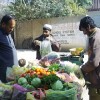
Afghan Refugees Hounded in Pakistan
The Khyber Pakhtunkhwa government recently launched a harsh crackdown on illegal Afghan immigrants who have been pouring across the border into Pakistan, going so far as to request federal government permission to deal with the situation, which has deep social and economic implications for the host country.
Karzai Demand on Night Raids Snags U.S.-Afghan Pact
Nearly a year after the Barack Obama administration began negotiations with the government of Afghan President Hamid Karzai on a U.S. military presence in Afghanistan beyond 2014, both sides confirmed last week that the talks are still hung up over the Afghan demand that night raids by U.S. Special Operations Forces (SOF) either be ended or put under Afghan control.
Death Penalty Returns to Haunt Afghanistan
While Afghanistan’s violent decades-long war has claimed thousands of lives, the last known state-sanctioned execution was in June under the direct order of President Hamid Karzai.RIGHTS: West Turns Blind Eye to Torture in Uzbekistan
Despite its formal adoption of due-process reforms in 2008, the government of Uzbekistan under President Islam Karimov continues to practice torture routinely, and the situation may be worsening, according to a major new report released here and in Berlin Tuesday.
PAKISTAN: Soldiers’ Families Demand Revenge Against U.S.
As Islamabad and Washington wrangle over responsibility for the Nov. 26 cross-border airstrike that killed 24 Pakistani troops, families of the dead soldiers are demanding revenge on the United States.AFGHANISTAN: The Pressure Is Now on Central Asian Supply Route
The Northern Distribution Network, the key re-supply route for U.S. and NATO forces fighting in Afghanistan, is set to experience a spike in traffic due to the closure of the Pakistani-Afghan border. But it will take several weeks for the United States and NATO to work out the logistics of rerouting cargo.
AFGHANISTAN: Land Triggers New Conflicts
A small plot of urban land has pitted Assadullah, 55, against an unwelcome neighbour in a bitter personal property dispute that has stretched on for almost a decade.Rejecting Apology, U.S. May Hasten End of Pakistan as Client
President Barack Obama has sided with U.S. military and Defence Department officials in rejecting a proposal by the U.S. ambassador to Pakistan for a U.S. apology for last weekend's attack on two Pakistani border posts, and approving an investigation into the attack that won't be completed until Dec. 23 at the earliest.
Taliban Slide ‘From Hero to Zero’
Religious and political forces in Northern Pakistan, which hitherto drew strength from their association with the Taliban have begun to distance themselves from the militants, as the latter’s legitimacy plummets in the border regions.PAKISTAN: DNA Lab Comes to Track Terrorists
A much-needed DNA laboratory is to be set up at the Forensic Science Department of the Khyber Medical College in Peshawar, capital of the violence- battered Khyber Pakhtunkhwa region in Pakistan.Pak Border Post Attack a Big Loss for U.S. War Policy
The U.S. military and the Barack Obama administration have been thrown into confusion by the attack on two Pakistani military posts near the border with Afghanistan Saturday morning, even as the attacks provoked the Pakistani government and military leadership into much stronger opposition to U.S. policy in the region.Pakistan Calls NATO Raid ‘Act of Aggression’
The Pakistani military has called the NATO cross-border air attack on a military checkpoint that killed 24 soldiers a deliberate act of aggression.
AFGHANISTAN: False Intelligence, True Tragedies
A night raid in Hakimabad in the heart of eastern Nangarhar province shows the face of U.S.-led presence in Afghanistan, and what it means to local people.Washington Frets Over Pakistan Response to Soldiers’ Deaths
As the Pentagon scrambled Monday to satisfy Pakistani demands for a full accounting of Saturday's lethal air attack on two border posts, official Washington expressed hope that Islamabad's retaliation will be limited in both time and scope.
AFGHANISTAN: Fears of Being Left in the Cold after Troop Pullout
With the majority of international troops expected to withdraw over the next three years, there are growing doubts over donors' commitments to continue to support Afghanistan, one of the poorest countries in the world.
PAKISTAN: Anger Soars Over Attack
"Enough is enough. Pakistan should respond aggressively to these unprovoked and unwarranted NATO air strikes," says local shopkeeper Muhammad Omar. Public anger is boiling over as the Pakistani government takes tough action to cut supplies and other support to NATO forces in Afghanistan.
Afghan Theatre Group Lets War Victims Tell Their Stories
On a small stage, a woman appears, grief written on her face as she wanders through the streets of Kabul, searching for her missing child. Suddenly, she stops by a scene of ruins and stares.« Previous Page — Next Page »


The Week with IPS

NEXT STOP - SDGs
Tracking global progress towards a sustainable world
Tracking global progress towards a sustainable world
