Languages
Tuesday, November 10, 2026



News and Views from the Global South
Afghanistan
NDN Not the Cash Cow Local Central Asian Leaders Expected
U.S. officials are happy with a programme that helps steer Pentagon contracts to local businesses in Central Asia. But Central Asian governments are grousing that they aren’t making enough of a profit off of the Afghan war.
Little Support for Military Offensive on Af-Pak Border
As shock and outrage over the Taliban’s shooting of young Malala Yousafzai - a female activist - subsides, a new question has begun to make its rounds among political commentators in Pakistan: whether or not the government should launch an offensive against militants along the country’s border with Afghanistan.
Cattle Smugglers Thwart Pious Muslims
Muslims around the world will soon celebrate Eidul Azha, otherwise known as the ‘feast of the sacrifice’, the second most important festival day on the Islamic calendar.U.S. Military Assistance to Central Asia Highly “Opaque”
U.S. military assistance to key Central Asian governments has increased dramatically in recent years, but remains highly “unexamined”, according to new research presented in Washington on Tuesday.
Clock Running Out on Afghan Political Solution
After more than a decade of international military intervention in Afghanistan, U.S. policymakers have come to accept that a political solution is the way forward in Afghanistan, analysts here are suggesting.
Bounty Offered in Pakistan Activist Shooting
The Pakistani government has offered a Rs10 million (105,000-dollar) bounty for the capture of the Pakistani Taliban assailants who shot Malala Yousafzai, a teenage rights and education activist in the northwestern Swat Valley, officials say.
Untreated Mental Illness the Invisible Fallout of War and Poverty
About 50 percent of Afghanis over 15 years of age suffer from mental health problems - depression, anxiety or post-traumatic stress disorder. In northern Uganda, nearly every family suffered during the vicious 20-year rebellion during which thousands of children were kidnapped and turned into child soldiers in the Lord's Resistance Army.
How the U.S. Quietly Lost the IED War in Afghanistan
Although the surge of “insider attacks” on U.S.-NATO forces has dominated coverage of the war in Afghanistan in 2012, an even more important story has been quietly unfolding: the U.S. loss of the pivotal war of improvised explosive devices (IEDs) to the Taliban.
Coming of Age in a Guantanamo Jumpsuit
Plenty of monikers have been attached to Omar Khadr, one of the most famous Guantanamo Bay detainees - child soldier, terrorist, war criminal, Al-Qaeda family member, security threat.
U.S.: Gloomy News, Prognosis Out of Afghanistan
With all foreign troops due to leave Afghanistan just two years from now, the news out of the Central Asian nation is becoming increasingly gloomy.
Taliban Outflank U.S. War Strategy with Insider Attacks
Sharply increased attacks on U.S. and other NATO personnel by Afghan security forces, reflecting both infiltration of and Taliban influence on those forces, appear to have outflanked the U.S.-NATO command’s strategy for maintaining control of the insurgency.
Murder Tops Crimes by Women in Afghanistan
The number of Afghan women being jailed for murder has been increasing every year, officials say. More than a quarter of the 700 women in prison are serving murder sentences.General’s Defence on Afghan Scandal Ducks Key Evidence
Lt. Gen. William B. Caldwell, the former commander of NATO’s training mission in Afghanistan, denied to a U.S. Congressional panel Wednesday that he had cited the impact on Congressional elections in opposing the timing of a request for an investigation of high-level Afghan military corruption and its impact on neglect of patients at the Afghan National Military Hospital (NMH) two years ago.
Pakistan Parties Uniting Against Drones
Political parties are stepping up opposition to the U.S. drone strikes and a planned operation to cleanse border areas of militants.
Questions Linger as U.S. Cedes Detention Power in Afghanistan
Continued tensions over U.S. detention power in Afghanistan are highlighting issues related to the country’s sovereignty.
Peace in Afghanistan, the Civil Society Way
More than a decade after the fall of the Taliban, Afghanistan is still in the midst of an irregular war. Talking peace is difficult because no one quite knows who to talk to.
No Homecoming Where Taliban Rules
Nematullah Wardak from Sayedabad in Maidan Wardak province works in Kabul. For two years he has not returned to his village, a bus journey from the Afghan capital, for fear of the Taliban.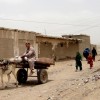
Pakistan Says Goodbye to Refugees Not Leaving
Pakistan faces increased international pressure to extend the stay of Afghan refugees as it seeks to push them back to war-torn Afghanistan.
To Aid Afghanistan, Offer Less Aid
It is customary to focus on the amount of money the international community offers Afghanistan: the higher the sum and the longer the commitment, the lower the risk of further destabilisation. And so the 16 billion dollars pledged by the donors for the next four years at the Tokyo conference earlier this month has been widely welcomed. But such aid may not be quite the virtue it seems.
New Afghanistan Aid Policy Turns Away from U.S. Model
For the first time, international donors gathered in Tokyo over the weekend explicitly tied ongoing financial aid for Afghanistan to progress made in the country’s economy and governance.
To Aid Afghans, Not Just Afghanistan
Afghanistan’s international donors will gather on Sunday in Tokyo for a conference at which they are expected to pledge economic aid, and ensure their assistance level will be maintained after withdrawal of ISAF-NATO troops, in 2014. But Afghan people and civil society groups working in the country say much of the aid is being directed the wrong way.« Previous Page — Next Page »





The Week with IPS

NEXT STOP - SDGs
Tracking global progress towards a sustainable world
Tracking global progress towards a sustainable world
