Languages
Tuesday, October 6, 2026



News and Views from the Global South
Children Under Siege

SOUTH SUDAN: Children Too Hungry to Return to Civilian Life
When Timothy was forced into the southern Sudan People’s Liberation Army (SPLA) at age 11, the first thing they did was beat him. Then they took him to a military base where his tasks were to carry other soldiers’ bags, wash their clothes, collect firewood for them, and cook their food.ECUADOR: All-Out Offensive Against Child Malnutrition
The Ecuadorean government aims over the next five years to eradicate chronic malnutrition among children under one -- 10 percent of whom are now undernourished -- and reduce the rate among children under five from the current 22 percent to seven percent.Trial of “Child Soldier” Opens at Guantanamo
Omar Khadr was only 15 when he was captured by U.S. forces in 2002 in Afghanistan. Now, eight years later, the 23-year-old is on trial in Guantanamo Bay, in the first military commission trial since the beginning of the Barack Obama administration.MALAWI: Vaccination Foiled by Divine Intervention
Dowa, central Malawi: medical staff struggle to vaccinate frightened children clinging to their parents, as an armed policeman stands guard.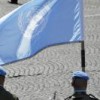
Few Govts Answer U.N. Queries on Peacekeeper Scandals
As the U.N. investigates new allegations of sexual abuse by peacekeepers in the Democratic Republic of Congo, most troop contributing countries continue to evade accounting for how they handle disciplinary actions.FILM: Music for a New Abolitionist Movement
Musician Justin Dillon had been reading about human trafficking before he went on tour to Eastern Europe. In Russia, his young female translator told him about offers she was receiving to move west for jobs that seemed too good to be true - and with no paperwork to back them up.
Mexican Govt Turns a Blind Eye to Orphaned and Disabled Children
A baby hits the floor when his father, who was holding him in his arms, is murdered in Mexico. A two-year-old watches from her stroller as six drug addicts are killed in a rehabilitation centre, including her mother. The mother of another three-year-old never makes it to collect him from his nursery.
BRAZIL: Football Paves the Way to Masculinity Without Violence
It’s Friday night, and in a "favela" (shanty town) in this Brazilian city, a group of men relax with a beer after a hard week, while a song can be heard above the rowdy chatter.Nigeria Suffers Acute Lead-Poisoning Outbreak
The Nigerian government is trying to cope with an outbreak of lead poisoning which has killed over 200 people in Zamfara State since early July.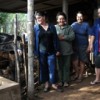
PARAGUAY: Women Manage Dairy for Self-Sufficiency
A year ago, Ramona Pereira was stuck with humdrum domestic drudgery in a rural village in Paraguay. Now she is the leader of a committee of women dairy producers in her community, and at 38 she feels like a new woman.Big Tobacco Profits from Kazakh Child Labour, Report Says
Hoping for better opportunities than they can find at home, many families from Kyrgyzstan travel to find work. Neighbouring Kazakhstan has the strongest economy in Central Asia, and tobacco farms attract workers fleeing Kyrgyzstan's high unemployment.CENTRAL AMERICA: Rampant Violence Means Childhood Interrupted
Very early one recent morning in the eastern Guatemalan municipality of Esquipulas, the residents slept soundly -- until heart-rending screams from the street broke the calm.
KENYA: Tradition an Obstacle to Maternal Health
Their kangas and heavy bead necklaces are the only colour in an arid landscape. The weary women waiting outside the Kangatotha dispensary have walked up to 50 kilometres to receive food aid; now they will walk home carrying their share.
ECUADOR: Like Mother, Like Multi-Tasking Daughter
In Ecuador, girl workers conform to universal statistics: they drop out of school less than boy workers, because they learn from an early age to juggle earning an income with looking after younger siblings and getting an education.Recruiters of Child Soldiers Face U.N. Sanctions
Individuals and armed groups that are considered repeat offenders in the recruitment and use of child soldiers may soon be subject to United Nations sanctions.Small Arms Treaty Could Make Dent in Gang Violence
Gangs and armed groups may rank below militaries and law enforcement agencies in the possession of firearms, but "they have consistently shown a willingness to use guns and use them for violence," says Dr. Jennifer Hazen, a senior researcher with the authoritative Small Arms Survey.
AFRICA: Renewing the Promise of Education for All
The World Cup is wreaking havoc with a key millennium development goal in South Africa: as the football tournament hit its stride, not a single child across the nation attended school.
MIDEAST: Most Palestinians in Lebanon Stay Unemployed
Lebanon’s record of segregating Palestinians is not much better than that of Israel. Since their exodus here, after the establishment of Israel in 1948, Palestinians have been systemically denied equal employment and social rights.
MEXICO: Taking Fight for Decent Childcare to the Streets
"Sometimes I feel sad when things don't go ahead as well as I would like them to, but we have no alternative but to keep on trying," says Lourdes Almada, a Mexican sociologist and activist for children's rights, as she drives her pickup truck in Ciudad Juárez.
Rewriting 195 Million Stories of Childhood Malnutrition
In a vast field, a sinewy, dark-skinned man bends at the waist, slicing stalks of wheat with a small machete. In a village, a mother gently places her infant son, slung in a piece of blue fabric, onto a vegetable scale housed in a makeshift clinic.
BRAZIL: “Gol de Letra” Scores Goals off the Playing Field
In a country where many poor children dream of "making it big" through football or modeling, retired Brazilian football stars Leonardo and Raí could have simply basked in their fame. But they decided instead to combine sport with education, art and skills training.« Previous Page — Next Page »





The Week with IPS

NEXT STOP - SDGs
Tracking global progress towards a sustainable world
Tracking global progress towards a sustainable world
