Languages
Sunday, October 11, 2026



News and Views from the Global South
HIV/AIDS
HEALTH: Poor States Should Start Campaign to Extend Patent Rights
Pharmaceutical industries in emerging markets are shifting their focus away from poor to developed countries, which will affect access to cheap generic medicines. Poor states should tackle this development by capitalising on the international trade exemptions they still enjoy regarding medicines as "intellectual property".CHINA: HIV Patients Find Treatment but Face Discrimination
Despite notable successes in the battle against HIV and AIDS in China, discrimination against infected people remains rife here and critics continue to question the Chinese government over allocation of treatment funds.HEALTH: Money Needed for ART Funding
Fixed targets for universal access to AIDS treatment and funding to make it achievable are what HIV and AIDS organisations want from the upcoming United Nations General Assembly Special Session due to be held in New York next month.Parliamentarians Ask G8 to Focus on Women
Ahead of this month's G8 summit in France, parliamentarians from 35 countries have issued a strong call for leaders of the world's major economies to focus on the role of women and girls in development.
NAMIBIA: Feature Film Explores Realities of Safer Sex
A new film explores the real complexities of relationships for young people in Namibia, and the effects of gender inequality and culture on the choices people make about their sexual lives.GUATEMALA: Theatre as HIV Prevention Tool in Native Communities
Poverty, lack of access to education and taboos about sexuality have hampered campaigns for the prevention and control of HIV/AIDS among indigenous communities in Guatemala. These constraints have led to the development of new ways of communicating vital information, like theatre.
WORLD HEALTH DAY: The Ten-Year Timeline for Antibiotics Burnout
Though the World Health Organisation (WHO) has focused this year's World Health Day Apr. 7 on prioritising the struggle against the global spread of antimicrobial resistance (AMR), scores of international researchers and scientists fear this decision is coming too late, with 2011 already shadowed by the failure of pharmaceutical antibiotics to curb the proliferation of diseases.AFGHANISTAN:: New Therapy Battles Soaring Drug Addiction
A pioneering drug substitution programme in conflict-wracked Afghanistan has been hailed as a resounding success as local doctors and international health organisations battle soaring heroin addiction rates and an HIV/AIDS epidemic.“Bold Decisions” Needed in AIDS Struggle
A new report by U.N. Secretary-General Ban Ki-moon released Thursday found progress in combating HIV/AIDS worldwide to be promising, yet inadequate to meet the needs of the 33.3 million people estimated to be living with HIV in 2009.SOUTH AFRICA: Who Says Research Can’t Be Dramatic?
In the early 1990s, a group of researchers set off for a small rural village in the eastern part of South Africa. Their intention was simple: teach the community how to rehydrate sick babies.
INDIA: EU Trade Deal May Curb Affordable Drug Supply
As India prepares to seal a sweeping trade and investment deal with the European Union (EU) in April, civil society groups are campaigning to limit the agreement's repercussions within the local generic drug industry here upon which millions of people around the globe depend.
ZIMBABWE: Fighting Past Fear to Treat TB
In the dusty streets of Bulawayo’s densely populated townships, Susan Nkiwane is making house calls today. She is one of a group of twelve women who form a fragile web of support for TB sufferers in her community.HEALTH: Scare Haunts HIV/AIDS Patients in Ukraine
Fears are growing among HIV/AIDS sufferers in the Ukraine amid claims from some patients that they have been denied life-saving medicines by authorities as a crackdown is launched on drug substitution therapy.
Integrating HIV Care with Broader Maternal and Child Health
From the outside, little has changed at the Maternal and Child Healthcare Clinic: pregnant women and breastfeeding mothers wait patiently on wooden benches. A chorus of infant call-and-response betrays the less long-suffering approach of their children to the wait.
Investment in African Economies Shifting Away from Raw Materials
Local and foreign investment on the African continent is slowly moving away from agriculture and raw materials to manufacturing, services, communication and tourism, despite poor infrastructure and low skills levels.
AFRICA: ‘We Cannot Leave Lives of Nationals to Development Partners’
As donors retreat from funding HIV prevention and treatment, the vulnerability of national programmes reliant on external funding has become apparent. Without long-term sustainability, the lives of millions could be at risk.
ZAMBIA: The Extended Family – Blessing or Burden?
Peggy Kapanda has bad memories of the time she spent living with her uncle when she was young. She was treated as a second-rank child. But this only motivated her to do a better job herself. At her small home in John Laing compound, in Zambia's capital Lusaka, she and her husband take care of two other children in addition to their own three young boys.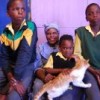
No Quiet Old Age for South Africa’s Grannies
Grannies are indispensable in South Africa. They may have been hoping for a restful old age, but the AIDS epidemic has seen them taking on motherhood for a second time, caring for grandchildren whose parents have died of the disease.KENYA: Civil Society Defends Access to Generic Drugs
Access to affordable medicine for millions of people in the South could be at risk if the production and distribution of generic medicine from India is restricted.HEALTH-BURMA: Global Fund Back With New Hope
Burma’s transition from an overt military rule to a civilian administration of retired generals is getting a shot in the arm from a former critic of the junta – the Global Fund to Fight AIDS, Tuberculosis and Malaria.Anti-Gay Laws Fuel HIV
Outdated laws that treat same-sex relations as a crime in a third of Asia-Pacific countries fuel fresh HIV infections, especially among men who have sex with men (MSM), a most vulnerable community.« Previous Page — Next Page »





The Week with IPS

NEXT STOP - SDGs
Tracking global progress towards a sustainable world
Tracking global progress towards a sustainable world
