Languages
Tuesday, November 10, 2026



News and Views from the Global South
IPS UN Bureau

We Need Urgent Commitment, Resources & Action to Tackle Hunger Crisis
Last week, as world leaders gathered in New York for the 77th United Nations General Assembly, one topic came up more than most: looming famine. That’s because despite a global commitment to make famine a relic of the past, it is once again knocking at our door.
Inflation Phobia Hastens Recessions, Debt Crises
Inflation phobia among central banks (CBs) is dragging economies into recession and debt crises. Their dogmatic beliefs prevent them from doing right. Instead, they take their cues from Washington: the US Fed, Treasury and Bretton Woods institutions (BWIs).
“Global Peace Education Day” can Play a Pivotal Role in Transforming Education
Just a week ago, the international community commemorated the adoption of the United Nations Declaration and Programme of Action on a Culture of Peace, a monumental document that transcends boundaries, cultures, societies, and nations.
Sindh’s Faulty Drain Cannot Cope With Climate-Induced Deluge
Last week, for at least six days, hundreds of flood-affected villagers from around the outskirts of Pangrio, a sleepy town in the Sindh province, blocked the main artery – the Thar Coal Road – connecting Badin to neighbouring district of Tharparkar – not allowing any traffic to pass.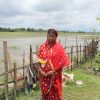
Women Advocates for Harvesting Rainwater in Salinity-Affected Coastal Bangladesh
Like many other women in Bangladesh's salinity-prone coastal region, Lalita Roy had to travel a long distance every day to collect drinking water as there was no fresh water source nearby her locality.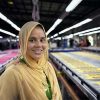
Why Investing in Water, Sanitation and Hygiene Pays Off
As the devastating images of flooding in Pakistan went round the world and the country declared a state of emergency, some 4,000 miles away in Stockholm, delegates had just arrived for World Water Week – an annual focal point for global water issues.
How to Make COP27 a Success
Each year, low-emitting countries like Bangladesh are the greatest sufferers and, paradoxically, pay the biggest price in losses and damages resulting from climate change.
The Swedish Elections: A Victory for Populism
After general elections on the 12th September, Sweden is on the threshold of a new era. The Sweden Democrats (SD) won almost 21 percent of the votes and thus became the largest in a bloc of right-wing parties that now have a collective majority in the parliament. A nation that for a long time prided itself of being a beacon of tolerance and openness will now experience a historical transformation. The Sweden Democrats was once founded by Nazi sympathisers and for decades shunned by mainstream politicians. However, SD has now tipped the political scale in a country previously known for its stable and predictable politics, and some of the party’s former foes are now willing to co-rule with them.
Pacific Community’s Agricultural Gene Bank Wins Global Award
Safeguarding plentiful, nutritious supplies of food for the present generation of Pacific Islanders and those who come in the future is a frontline goal in the wake of the pandemic and the continual threat of climate extremes to island farming. But the region, where 50 to 70 percent of people depend on agriculture and fisheries for sustenance and income, is now one step ahead in that objective. The region’s agricultural gene bank, established by the development organisation, Pacific Community (SPC), is now acclaimed as world-class and a leader in building future food supplies.
Refugees Most Vulnerable in Ongoing Food Insecurity Crisis – UN
Representatives from UN agencies and several countries called for more substantive action to support refugees and internally displaced people amid the ongoing global food crisis.
Towards a More Secure Future Through Effective Multilateralism
As world leaders gather in New York for the opening of the 77th session of the United Nations General Assembly this week, the security horizon is undoubtedly dark.
UN Agencies Call to Commit to Transforming Education in Crises
Refugee youth advocate, Mary Maker, called on UN member states to honor their commitments to transform education from the foundation up to the top, starting with those living in the direst and fraught circumstances.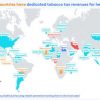
Innovative Financing to Protect Public Health During a Pandemic
Economic recovery since the COVID-19 pandemic has been uneven amidst a cautious loosening of restrictions. But even at the height of the pandemic, it was business as usual for the tobacco industry.
UN Bans NGOs During High-Level Meetings of World Leaders— Triggering Strong Protests
When world leaders, numbering over 150, make their annual political pilgrimage to address the General Assembly in the third week of September, the security at the world body is exceptionally tight. And this year is no exception.
Inflation Targeting Farce: High Costs, Moot Benefits
Policymakers have become obsessed with achieving low inflation. Many central banks adopt inflation targeting (IT) monetary policy (MP) frameworks in various ways. Some have mandates to keep inflation at 2% over the medium term. Many believe this ensures sustained long-term prosperity.
Reflections on High-Level Meetings of the UN General Assembly
The high-level segment of the UN General Assembly (UNGA) is famous for its fiery speeches and the colorful personalities assembled in the GA Hall. But much more goes on beyond the hall itself –the frenzy of the press in the broadcast trucks, security personnel on every sidewalk, military aides in dress uniforms, and an endless round of receptions and parties of every kind.
The Day the UN General Assembly Abandoned its New York City Home…
When the United Nations decided to locate its 39-storeyed Secretariat in New York city, the United States, as host nation, signed a “headquarters agreement” in 1947 not only ensuring diplomatic immunity to foreign diplomats but also pledging to facilitate the day-to-day activities of member states without any hindrance, including the issuance of US visas to enter the country.
UN and Partners Called to Act Urgently with Education in Emergencies at Summit
Suicide bombings shattered Aisha Khurram’s school, and her university was attacked by terrorists – but despite learning in an environment where the walls were colored by blood spatter, it never shook her determination to be educated.
Remedy in Sight to Subdue an Invasive Poisonous Enemy in Kenya’s Drylands
Hannah Sakamo is worried. She is about to lose yet another goat in less than a month. A pastoralist in Eldepe village, Marigat Sub-County, Baringo County in Kenya’s Rift Valley region, her household’s lifeline is at stake. The goat in question, whose days are now numbered, has consumed pods, or the fruits of the invasive species, Prosopis juliflora, locally known as mathenge.
Achieving Lifelong Independence for People with Disabilities
Vernae Gallaread aspires to teach sign language to people with disabilities and to families who cannot afford sign language lessons for their children.
Equal Pay for Work of Equal Value
International Equal Pay Day, observed officially by the United Nations on 16 September, aims to draw attention to the gender pay gap – the difference between what a woman earns compared to a man for work of equal value – and the systemic inequalities it is rooted in.« Previous Page — Next Page »





The Week with IPS

NEXT STOP - SDGs
Tracking global progress towards a sustainable world
Tracking global progress towards a sustainable world
