Languages
Monday, November 9, 2026



News and Views from the Global South
Millennium Development Goals (MDGs)

San Fight Land Grab in Namibian Park
Pensioner Makena Makanga slowly savours a piece of manketti fruit unaware that the tree it came from will soon be chopped down and mulched along with the rest of her forest to make way for a massive agribusiness project.
Angola’s Small-Scale Farmers Welcome Investment, Urge Careful Targeting
Think small to overcome big problems - that was the message to African governments being urged to do more to increase food security and reduce hunger and malnutrition on the continent.CHILE: Gender Equity Progress Blocked by Hard-Core “Machismo”
More than 60 percent of Chileans surveyed by the United Nations Development Programme (UNDP) are opposed to full equality between women and men, according to a new national report released by the agency on Friday.PERU: Glass of Milk Half Empty
The "Glass of Milk" Programme, created in 1985 in Peru to provide a nutritional supplement for the most vulnerable population, specifically children up to six years old and pregnant and nursing women, is undermined by poor oversight, according to an audit by the Comptroller General's Office.MEXICO: Acrobatics for At-Risk Children
Learning to do aerial acrobatics has not only helped 13-year-old Atenas Padilla overcome her fear of heights, but also to become more tolerant and creative.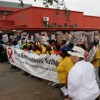
African Grandmothers Demand Support in Role as Caregivers
"Africa cannot survive without us," is the message from grandmothers representing all corners of the continent.World Bank Boosts Commitment to Lower Maternal Mortality
The World Bank intends to ramp up spending on family-planning and related initiatives to reduce maternal mortality, improve reproductive health, and reduce fertility rates in nearly 60 developing countries, particularly in sub-Saharan Africa, according to a new five-year plan released by the Bank here this week.
AFRICA: A Loud and Clear No to Violence Against Women
Poet activist Myesha Jenkins' voice reverberated through the hall: "Women are out in the night; we are cleaning the streets, some are walking the streets..."LATIN AMERICA: Plan to Eradicate HIV, Syphilis in Newborns in Five Years
With the right treatment, mother-to-child transmission of congenital syphilis and HIV, the AIDS virus, can be prevented. But every year, thousands of babies are still being born with these diseases in Latin America and the Caribbean.
BRAZIL: Eviction from Rio’s Slums Echoes Dark Past
The longstanding debate between eviction or upgrading of Rio's "favelas" or slums has gathered new force as this one-time capital of Brazil still shows the hillside scars left by rain-induced landslides in early April.THAILAND: Inequality Gap Stains Thailand’s MDG Achievements
Thailand may have earned praise for meeting national targets to slash poverty and hunger ahead of a global deadline, but the two-month long street protests in Bangkok exposes a troubling fact – economic inequality.
BIODIVERSITY: Odds Stacked Against San Harvesters of Devil’s Claw
Nguni Diyasen gently loosens the earth with a hoe and then widens the hole with her bare hands. Fifty centimetres down she uncovers the light brown root of a devil's claw. Used to treat arthritis and rheumatism, the plant also constitutes her only income.Brazil Exports Technology While Farmers at Home Do Without
Brazil has become an agricultural power in recent decades as a result of know-how that is now an important export item and part of its international cooperation programme. But the technology developed does not reach the vast majority of farmers within the country itself.MALI: Farmers Restore Forests
Villagers in the interior delta of the Niger River, already experiencing the harsh impacts of climate change, have a good understanding of the need to restore forests decimated by drought. Where forest cover has been rehabilitated, it is already reshaping the surrounding environment - and economy.
Chad Redoubles Efforts Against Polio
The polio vaccination campaign under way in Chad has added significance in 2010. The country recorded zero polio cases in 2004, but 66 cases of wild polio were reported in 2009, according to the Global Polio Eradication Initiative.ECUADOR: Native Groups Poised for Nationwide Protests Over Water Bill
Indigenous organisations in Ecuador opposed to a water reform bill that they say would give mining companies and agribusiness privileged access to water have threatened to extend their protests around the country in order to keep the legislature from passing the bill without certain modifications.
Residents Hope 2010 Flooding Prompts Govt Action in Luanda
The water seeped into Feliciana Teresa Matia’s home from beneath its mud floor and when her 20-year-old son Francisco got up to go to work, grabbing a metal pole for guidance in the dark, he was electrocuted.
Greater Support Needed For Botswana’s Women Farmers
On the outskirts of Botswana’s capital, Gaborone, Charity Molefhi is learning the ropes of the horticulture industry.
ECUADOR: Fewer Mothers Dying Thanks to “Model” Law
Seventeen-year-old Miriam Toaquiza is the only occupant of the teenage mothers' ward in the public hospital in this Andean city. Beside her in the bed is Jennifer, her newborn baby.
Women Punished Twice Over in Colombia’s Prisons
"Loss of freedom should not mean loss of fundamental rights," Diana Sánchez, a lawyer with the Political Prisoners Solidarity Committee (CSPP), told IPS. "But in Colombia prisoners are punished twice over: with a prison sentence, and with restrictions on their other rights."
CUBA: Sustainable Agriculture Moves to the Suburbs
Backed by its considerable experience in urban agriculture, Cuba is tackling the challenge of food security through a new initiative that will bring farming to the suburban areas surrounding cities and towns.« Previous Page — Next Page »





The Week with IPS

NEXT STOP - SDGs
Tracking global progress towards a sustainable world
Tracking global progress towards a sustainable world
