Languages
Monday, November 9, 2026



News and Views from the Global South
Millennium Development Goals (MDGs)
BRAZIL: Presidential Candidates Not Risking Economic Surprises
Not the leftists, not the social democrats, not the greens. Ideological differences aside, the three leading candidates for the Brazilian presidency are singing the same tune on the economy: no surprises, no market shake-ups.
SOUTH AFRICA: Lack of Quality Health Care Causes Rise in Orphans
Two small boys play quietly on a jungle gym, some distance away from other children. The six-year-old twins, who live at the Masigcine children's centre in Mfuleni township, 35 kilometres out of Cape Town, are severely traumatised from being orphaned at the age of one and have difficulty relating to their peers.PERU: Native Peoples’ Right to Consultation on Land Use Enshrined in Law
Indigenous peoples in Peru finally have a law that obliges the state to consult them about any project or provision that affects their territory or communities. But it will be difficult to implement, as the body charged with this task is in need of reforms, and additional legislation is needed before it can be fully enforced.U.N. Biodiversity Plan Demands Voice for Women
Women provide up to 90 percent of the rural poor's food and produce up to 80 percent of food in most developing countries, and yet they are almost completely ignored when policy decisions are made about agriculture and biodiversity.Agro-Tech Alone No Panacea for Food Insecurity
Providing technology to communities to ensure food security doesn't work if local traditions and social dynamics are not taken into account, concluded the participants in a forum here at the Fourth Assembly of the Global Environment Facility.MEXICO: Optimism and Unease as Census Begins
The 100,000 pollsters who will begin knocking on doors throughout Mexico Sunday for the national census will likely face a population hesitant to provide personal information. They may also run into the drug violence that plagues some areas of the country.
Universal Education an Empty Promise for Liberia’s Girls
In a small office tucked behind the stairwell in Liberia’s Ministry of Education, the once-proud staff of the Girls’ Education Unit appear defeated.BRAZIL: Bridge to Drive Urban Growth in Heart of Amazon
The 74 pillars that will hold up the bridge over the Negro river to join this major city in Brazil's Amazon jungle to nearby urban districts have mostly been laid, without environmental protests or major debates on the impact of a fast-growing metropolitan area in the heart of the Amazon rainforest.NICARAGUA: Nature as a Sword of Damocles
More than 1.8 million Nicaraguans are at high risk due to the various natural disasters that strike this Central American country, according to Civil Defence authorities.CLIMATE CHANGE: Latin America, EU Set Sights on Cancun Summit
Governments from the European Union and from Latin America and the Caribbean are confident that at year's end the international climate conference will produce a concrete legal mandate to truly protect the environment.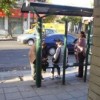
Making Latin America’s Cities Women-Friendly
"Violence against women is not only domestic, it also happens in the streets. Not having the right to feel safe in a city square or at a bus stop without someone bothering us, that's also violence."Child Mortality Rates Falling Faster than Expected
With only five years left to meet the Millennium Development Goals' 2015 deadline for reducing child mortality, progress toward that goal may be coming faster than was previously thought.
How to Spend Environmental Funds
The world's multilateral credit institutions have often faced the criticism that they cause more problems than they prevent. As the challenges increase, such as those posed by climate change, the debate is shifting to environmental financing.BRAZIL: Report Challenges Rio Slum Evictions
The debate surrounding the evacuation decree for eight "favelas" or slums in this Brazilian city, ordered by the Rio municipal government citing the danger of landslides, has taken a new course with the release of a study that undermines the official argument.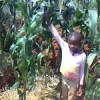
Agrobiodiversity Key to Adaptation
Mechanisation, increased use of fertilisers, and the planting of hybrid seeds have underpinned huge increases in the world's agricultural output over the past 40 years.
COLOMBIA: Initiative for Water as a Human Right Sinking in Congress
Colombian civil society organisations gathered more than two million signatures to ask Congress to hold a referendum on a constitutional amendment that would make access to water a fundamental human right. But Congress gutted the draft referendum bill this week by eliminating the clause on water as a human right.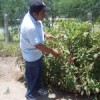
Can Amaranth Fix Mexico’s Dual Dietary Disasters?
Supporters of amaranth have been trying for decades to bring this millennia-old grain back from oblivion. Known for its high nutritional content, it is now being promoted as a way to help modern-day Mexico confront two of its dietary ills: malnutrition and obesity.AFRICA: Better Data Key to Supporting Women Farmers
An accomplished farmer who won the coveted Woman Farmer of the Year Award in 2008, Thabile Dlamini-Gooday wants to uplift the standard of other women in agriculture. She believes that if women farmers were to work together they could fight hunger and significantly reduce poverty among themselves.
MALI: Muslim Conservatives Blocking New Family Law
A new family law has raised tension in Mali. This controversial law, intended to give greater freedoms and rights to women, has been sent back to the National Assembly for a second reading after protests from Muslim radicals.
ENERGY: The Sun Lights Up the Night in Haiti
There are shortages of lots of things in Haiti: clean water, arable land, trees, living-wage jobs, housing, schools, fuel, reliable sources of electricity and Internet access. But one thing Haiti has in abundance is sunny days.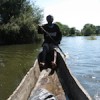
NAMIBIA: Will Farm Project Mean the River Runs Dry?
A proposed irrigation scheme promises greater food security for Namibia, but should the 10,000 hectare Katondo Farm Project be completed, it could threaten the health of the Okavango River.« Previous Page — Next Page »





The Week with IPS

NEXT STOP - SDGs
Tracking global progress towards a sustainable world
Tracking global progress towards a sustainable world
