Languages
Wednesday, November 18, 2026



News and Views from the Global South
Politics

New Software Could Outwit Tehran’s Censors
While the Iranian government has intensified its aggressive efforts to expand Internet filters, Austin Heap, a young programmer in the U.S., says he has developed software that would enable Iranians to evade their censors.Privacy Groups Challenge U.S. Airport Body Scanners
More than 30 privacy and civil liberties organisations have filed a formal petition with the Department of Homeland Security (DHS), urging the federal agency to shut down the use of 'full body scanners' (FBS) at the nation's airports.Argentina, an Example for Prosecuting Franco-Era Crimes?
Argentina is an example for Spaniards to bear in mind as they investigate crimes committed during the 1939-1975 dictatorship of general Francisco Franco, says Emilio Silva, head of the Spanish Association for the Recovery of Historic Memory (ARMH).PAKISTAN: Law May Drive Trade in Human Organs Underground
Already on dialysis, Sukhil Johal was told by her doctors in the United States that she needed a kidney transplant. But they also told her that it would probably take 10 years before a suitable one could be found for her.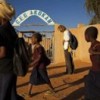
NIGER: Lack of Data on Causes of Death Buffers French Company
French state-owned company Areva continues to deny any wrongdoing after findings that populated areas in Niger remain contaminated with high levels of radio-activity. The company seems to be escaping censure partly because of lack of data on cancer-related causes of death among Nigeriens working at or living near the uranium mines.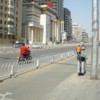
CHINA: Sky-high Property Prices Leave Middle Class Out
Courteous and efficient, Xing Xina is dealing with the long queue of bank customers in front of her without a hint of resentment.CHILE: Business Tax Hike – Short-term or Permanent?
Chile's right-wing President Sebastián Piñera is seeking congressional approval of a plan to finance the reconstruction of the country in the wake of the devastating Feb. 27 quake, which includes a temporary tax on business that the centre-left opposition would like to make permanent.History Beckons in Trinidad’s Snap Election
Kamla Persad-Bissessar may never want the year 2010 to end.EUROPE: IMF Tightening Control
One topic regularly addressed by the public relations industry is how to turn a crisis into an opportunity. Dominique Straus--Kahn, managing director of the International Monetary Fund, might offer a case study on rising to this challenge.BOLIVIA: Save the Planet from Capitalism, Morales Says
Activists meeting at the people's conference on climate change in this Bolivian city booed a message from United Nations Secretary-General Ban Ki-moon but cheered at host President Evo Morales's chant of "planet or death!"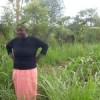
EAST AFRICA: Green Agriculture Growing in Leaps and Bounds
Organic agriculture using natural farming methods rather than fertilisers and pesticides has made significant gains in African countries – not just among farmers but among consumers too.Crunch Time for Ecuador’s Biological Treasure Trove
These are decisive days for the Yasuní National Park, one of the world's most biodiverse areas, because of the danger that its wealth of underground oil poses to this unique and fragile ecosystem in Ecuador's Amazon jungle region.
Arizona at Epicentre of Divisive U.S. Immigration Debate
Protests and acts of civil disobedience are taking place in the southwest U.S. state of Arizona as it becomes the main battleground in a divisive struggle over illegal immigration.
SOUTHERN AFRICA: Benefits of Working Together on Water
The river basin organisation people are gathered in Botswana again: the theme this year is "benefit-sharing", an approach to allocating water that, it is promised, will accomplish nothing less than to make more water.Argentina and Uruguay: A Chance to Get Relations Back on Track
Tuesday's International Court of Justice ruling on the conflict between Argentina and Uruguay over a pulp mill on the Uruguayan side of a border river offers a way out of a dispute that has marred relations between the two countries for several years, diplomats and experts say.
Activists Dismayed at U.S. Reaction to Sudan Polls
Activist groups called here Tuesday for the administration of President Barack Obama to hold the Sudanese government accountable for what the White House itself called "serious irregularities" in carrying out the past week's elections.BOLIVIA: “Living Well” in Harmony with the Environment
The philosophy of "Living Well" enshrined in Bolivia's new constitution is being put forward by the government as the basis for a global movement against consumerism, depredation of natural resources for profit, and current models of development.IRAQ: Imam Assassination Sparks Fears of Violence
The assassination of Sheikh Ghazi Jabouri, a prominent Sunni Imam in the Al- Adhamiya district of Baghdad, has raised fears of renewed sectarian violence in the wake of the Mar. 7 elections.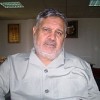
MIDEAST: Hamas to Carry Out More Executions
The Hamas authorities in Gaza have vowed to carry out more executions of those on death row despite intense international criticism and condemnation from both Israeli and Palestinian human rights groups.
THAILAND: As Military Threat Rises, Protesters Dig in Heels
Even as the Thai military warned that its troops would fire live bullets in any imminent confrontation with anti-government protesters in Bangkok, women like Supaporn Sonnorp did not flee.Haitian-Dominican Relations Warming After Quake
Angela Solis de Pena remembered the story that her parents told her of a Haitian man who tried to rape a Dominican woman; after the woman escaped the man chased her and hacked her to death.« Previous Page — Next Page »


The Week with IPS

NEXT STOP - SDGs
Tracking global progress towards a sustainable world
Tracking global progress towards a sustainable world
