Languages
Sunday, June 7, 2026



News and Views from the Global South
Politics
To Women’s Rights, Financial Institutions Pay Lip Service Only
On day seven of "the 16 days of activism to end violence against women" campaign, women's rights organisations around the world are asking what the biggest international financial institutions (IFIs) are really doing to protect women's rights, which are under daily assault.Pak Border Post Attack a Big Loss for U.S. War Policy
The U.S. military and the Barack Obama administration have been thrown into confusion by the attack on two Pakistani military posts near the border with Afghanistan Saturday morning, even as the attacks provoked the Pakistani government and military leadership into much stronger opposition to U.S. policy in the region.BURMA: Realpolitik and Rights Compete for Clinton’s Attention
Hillary Clinton's historic trip this week to Burma – the first by a U.S. secretary of state since 1955 – will likely mix geo- strategic realpolitik with Washington's more idealistic interest in promoting economic and political reforms in a country that it has tried to ostracise for most of the past two decades.U.S.: States Seek Drug Tests for Welfare Recipients
At least 36 states across the U.S. are proposing laws that would require applicants for and recipients of a variety of public aid programs to undergo drug testing in which they would have to provide a urine sample. Several states, including Arizona, Florida, Indiana and Missouri, have already passed such laws.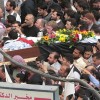
Syrian Leader Survives on Unrelenting Russian-Chinese Support
Bashar al-Assad, Syria's beleaguered president, has openly defied the Western world, succeeded in splitting the United Nations Security Council and fractured the League of Arab States - even as it imposed unprecedented economic sanctions against his embattled country.
Iran’s Growing Isolation a Dubious Win for the West
Scenes from Tehran Tuesday of bearded Iranian youth swarming over the walls of the British embassy evoked memories of the 1979-81 hostage crisis that created the image of Iran as a pariah state.
Not Everyone on Board with Mesoamerica Development Plan
Ten years after its launch under a different name, the Mesoamerica Project, which involves major investments in energy, telecommunications, housing, health and other areas, is moving ahead slowly and continues to face scepticism that it will have a real impact against poverty.
CLIMATE CHANGE: Kashmiri Farmers Left High and Dry
Sammad Sheikh of Tangchekh village in north Kashmir cannot understand why the rice fields that his family cultivated for generations are drying up.Pakistan Calls NATO Raid ‘Act of Aggression’
The Pakistani military has called the NATO cross-border air attack on a military checkpoint that killed 24 soldiers a deliberate act of aggression.TAJIKISTAN: President Taking a Press Beating in Dushanbe
Following a diplomatic faux pas that enraged Russia, the knives seem to be out for Tajikistan's long-time president, Imomali Rahmon.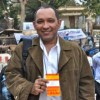
Q&A: “Brazil’s Foreign Aid Must Include Respect for Human Rights”
Amnesty International in Brazil will focus on the violence that plagues the favelas or shantytowns of this southern Brazilian city and the impact of construction work in preparation for the FIFA World Cup in 2014 and the Olympic Games in 2016, to check that human rights are being respected.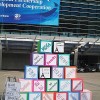
Lessons for Africa at Busan Aid Forum
There are many inspiring stories that delegates from Africa attending the ongoing Fourth High Level Forum on Aid Effectiveness can take home to provide insights to their respective countries on making the transformation to middle-income economies.
COLOMBIA: Worse than Fiction
A teenage love story is the fictional plot device in a new Colombian film, Silence in Paradise, about the all-too-real phenomenon of the "false positives" – the euphemism used to describe army killings of young civilians passed off as guerrilla casualties.Business as Development Tool
The idea of business as an effective development tool is gaining ground at Busan where hundreds of experts are gathered to charter a new chapter in global aid amidst growing political and economic uncertainty among donors.EGYPT: ‘Army On Its Way Out’
Egyptians in Cairo and Alexandria went to the polls on Monday in the first parliamentary elections since the January 25 protest movement drove former president Hosni Mubarak from a 30-year grip on power.
Clinton Champions Gender Agenda at Busan
Women toil in the fields for most of their lives producing food and strengthening the largely agricultural economy of African countries, but when their fathers, husbands or older sons die, they are no longer welcome on land they may have tended for years.
AFGHANISTAN: False Intelligence, True Tragedies
A night raid in Hakimabad in the heart of eastern Nangarhar province shows the face of U.S.-led presence in Afghanistan, and what it means to local people.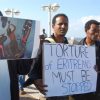
ISRAEL: Eritreans Flee From Dictatorship to Detention
Standing across the street from the American embassy in Tel Aviv, more than 200 Eritrean asylum seekers chanted "Yes to justice! Yes to humanity!", and demanded international intervention to stop torture camps in the Egyptian Sinai. Protests by African asylum seekers in Israel are growing, in the face of increasingly tough policies by the Israelis./CORRECTED REPEAT*/Will Texas Execute Man, Despite Untested Evidence?
To date, 138 people have been exonerated from death row in the United States. That figure represents 11 percent of the 1,277 executions carried out since the reinstatement of the death penalty in the country in 1976.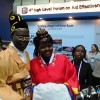
Aid Dependency on the Decline
Poor countries have depended on rich nations to supplement their sector budget without which millions of people would have continued to live in abject poverty. Have the years of funding made these countries any less dependent?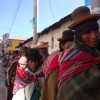
Lessons from the Andes on Budgeting to Close the Gender Gap
Three countries in South America's Andean region, Bolivia, Ecuador and Peru, have a great deal to teach and share with those meeting in Busan, South Korean this week to discuss, among other things, how to make sure that development aid incorporates a gender focus in order to be effective.« Previous Page — Next Page »


The Week with IPS

NEXT STOP - SDGs
Tracking global progress towards a sustainable world
Tracking global progress towards a sustainable world
