Languages
Monday, November 9, 2026



News and Views from the Global South
Politics
INDIA: With No IT Sector, Kashmir Lags Behind
At a time when information technology has revolutionised life across the globe, Kashmir in north India lags behind the rest of the country, and the world, because it has no IT industry to speak of.
MIDEAST: A Zionist Way to Back Palestinians
To many people Rabbi Arik Ascherman would appear to be a contradiction in terms. He is an ardent Zionist and religious Jew who believes that God made a covenant with the Jewish people and the Land of Israel. But the core of Ascherman’s Zionist ideology revolves around fighting for human rights, especially those of the Palestinians.Cooperation Key to ICC Libya Warrants
The International Criminal Court (ICC) issued warrants Monday for the arrest of Libyan leader Colonel Muammar Gaddafi, his son Seif al-Islam al-Gaddafi, and the Libyan chief of intelligence, Abdullah al-Senussi, for crimes against humanity.
Army Jets ‘Bomb South Sudan Villages’
Civilians in south Sudan say jets from the north are launching attacks on villages close to the border.
DEVELOPMENT: Civil Society Welcomes New FAO Chief
The track record of the newly elected Brazilian chief of FAO is a promise in itself for civil society.MIDEAST: Confrontation Begins Before the Sailing
Activists are engaged in a harsh confrontation with Israeli authorities days before the international ‘Freedom Flotilla II – Stay Human’ sets sail towards the Gaza strip in an attempt to break the naval blockade Israel has imposed since 2007.CUBA: Microcredit Knocks on Door…Softly
A microcredit system could begin operating in Cuba as part of reforms adopted by the government of Raúl Castro to modernise the country's socialist economic system.Iran Executing Hundreds in “War on Drugs”
Iran is drawing international criticism for its continued mass executions of people convicted of violating its drug laws. The Islamic Republic's judiciary reported that 300 people were on death row as of May 30.TURKEY-ISRAEL: Diplomatic Wounds Leave Half-Healed Scars
Turkey and Israel are close to resolving their dispute over last year's flotilla fiasco, but the partnership that existed between them for more than a decade will almost certainly stay submerged.CARIBBEAN: Legal Threats Surpass Physical Risks for Journalists
Caribbean journalists meeting here last weekend celebrated the news that not a single colleague was killed during the first six months of this year.
Q&A: Re-Electing Fernandez ‘Would Consolidate the Country Our Children Wanted’
A second term for Argentine President Cristina Fernández would make it possible to continue ushering in the changes "we want and that our children wanted" when they were forcibly disappeared or murdered during the 1976-1983 dictatorship, said longtime human rights champion Estela de Carlotto.MIDEAST: Post-Mubarak Egypt Inches Towards Iran
Based on several recent statements by Egyptian and Iranian officials, Cairo and Tehran appear closer than ever to restoring diplomatic ties following a 31-year hiatus.MIDEAST: Turkey Sails Closer to Israel Ahead of Flotilla
Amidst last-minute preparations for a new Peace Flotilla that will try this week to break Israel's maritime blockade on Gaza, signs of a tentative thawing in relations between Israel and Turkey following a two-year crisis are becoming more and more apparent.
U.S.: New Yorkers Occupy Streets to Protest Budget Cuts
They have taken over a strip of the sidewalk at Park Place and Broadway, handing out flyers to passersby and taping posters to the ground and to the metal crossbars of the scaffolding that shelters them from the rain.
Scrubbing Egypt Clean of Mubarak
Throughout Egypt the once-ubiquitous name and image of ousted president Hosni Mubarak is becoming increasingly scarce as citizens attempt to purge the land of the former dictator's tarnished legacy.Real Estate Boom as Displaced Pakistanis Seek Housing
Real estate prices have shot up in areas adjacent to the tribal districts of northwest Pakistan where violence continues to displace local residents.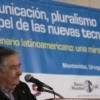
MEDIA-LATIN AMERICA: The Seduction of Power
The governments and big private media groups in Latin America are waging a war to win over public opinion, the ultimate arbiter of legitimacy, and the only solution would appear to be to strike up an alliance.ARGENTINA: Deep-Rooted Prejudice Against Immigrants
Although Argentina's immigration law is regarded as one of the most progressive in Latin America, xenophobia and discrimination persist, showing that progress is still more theoretical than practical.Once, There Was Yugoslavia
For decades, the former Yugoslavia was a communist country with a human face, whose nations enjoyed high standards of living compared to other Eastern Europeans, visa-free travel abroad, and participatory government. Twenty years ago, on Jun. 25, all that ended.
INDIA: Human Barricade Stops India’s Big Ticket Steel Project
Fourteen-year-old Satikanta Sahu loves going to school, but these days, he would rather spend his time manning the barricade and facing down policemen in the sandy coastal village of Govindpur in India’s eastern state of Orissa.Thai Campaign Tempers Use of Antibiotics
Every month, Buddhist monk Phra Patarapong visits this village of mostly wooden houses on stilts and draws crowds, but not just for his regular sermons on spiritualism. People come to see him also for his tips on health, in particular his warnings about the excessive use of antibiotics.« Previous Page — Next Page »





The Week with IPS

NEXT STOP - SDGs
Tracking global progress towards a sustainable world
Tracking global progress towards a sustainable world
