Languages
Thursday, November 12, 2026



News and Views from the Global South
Poverty & MDGs

DEVELOPMENT: Soaring Population May Swamp Anti-Poverty Goals
The U.N.'s Millennium Development Goals (MDGs), already undermined by the global financial crisis, are expected to take another hit - this time from rising population growth.COTE D’IVOIRE: Communities Determined to Preserve Tanoe Swamps Forest*
When a major agribusiness company began clearing the rich reservoir of biodiversity of southeast Côte d'Ivoire's Tanoé Swamps Forest for an oil palm plantation, ecologists and local communities demonstrated in favour of preserving it.URUGUAY: Countryside Offers Different Kind of Tourism
Uruguayans and tourists from other countries escape the stress of city life and learn about rural living on once prosperous dairy farms and picturesque small farms near the city of Colonia in western Uruguay, where families have found a new livelihood – and way of life – in "agro-ecotourism".HEALTH: Why Is Viagra Popular and the Condom Controversial?
Why is the popular drug Viagra so praised for its virtues, while the condom is vilified by conservative religious groups among others the world over?ARGENTINA: Safe Shortcut to Sidestep Illegal Abortion
Tired of calling for the decriminalisation of abortion - the leading cause of maternal death in Argentina - a network of women's rights activists launched a telephone hotline to inform women on a safe abortion method that requires no medical intervention: the use of a pill to terminate pregnancy.
RIGHTS-AFRICA: Elusive Justice for Victims of Gender-Based Violence
Florence Mukambi will always bear the brunt of the country’s post-election violence.DEVELOPMENT: Should Water Be Legislated as a Human Right?
The growing commercialisation of water - and the widespread influence of the bottling industry worldwide - is triggering a rising demand for the legal classification of one of the basic necessities of life as a human right.POPULATION: UNFPA Partners With Faith-Based Groups
The United Nations has realised that if it wants to achieve the Millennium Development Goals, it will have to partner with like-minded faith-based organisations (FBOs).ASIA: Prescription for HIV/AIDS Pandemic – Social Justice
The prescription that thousands of participants effectively issued at a just- ended AIDS conference here was clear: It is time to fight social and political inequities so that the medical gains in curbing HIV and AIDS can work with maximum efficacy.
HEALTH-ASIA: Where Are the Religious Leaders?
"Thank God for condoms!" Donald Messer of the U.S.-based Centre of Church and Global AIDS declared during one of the many sessions at an AIDS conference for the Asia-Pacific, which ended here Thursday.
ZIMBABWE: No Water, Just a Bill
City council turns off the water. National minister in charge says turn it back on. Domestic and commercial users alike dispute their unpaid bills. The shadow of a cholera epidemic looms over it all. Must be Harare.RIGHTS-ASIA: Transgenders Assert Identity At AIDS Meet
"There has been so much confusion going around transgenders. We are not MSMs [men who have sex with men] and don't lump us under the transvestite [category either] because we have different needs," declared Kartini Slemeh at the 9th International Conference on AIDS in Asia and the Pacific (ICAAP) here.
HEALTH: Activists Press for ‘People’s Property Rights’ to Medications
Pharmaceutical firms have developed drugs that have lengthened lives and cut death rates from HIV and AIDS, but their financial clout in no way overrides their social responsibility in fighting the pandemic, a key advocate argued at an Asian conference on AIDS Wednesday.LABOUR-GUATEMALA: Domestics Finally Gain (Limited) Rights
"What really hurt was that they refused me my right to rest before and after I had my baby. Even when my contractions started, they wouldn't let me go to the hospital," said Mildred Díaz, a Guatemalan domestic employee, talking about the worst aspects of her job.
HEALTH: Go Away With Your Spray
Zinaldina dos Reus, Zizi for her friends, is washing clothes by a stream near the airport in São Tomé. Her toddler plays nearby. Zizi, 21, can't remember the last time she or her husband had malaria, years ago. She credits the free bed nets and anti-mosquito home spraying regularly supplied countrywide since 2004.
U.S.-AFRICA: Clinton Backs Agricultural Development
U.S. Secretary of State Hillary Clinton is using her trip to Africa to promote agricultural development as an approach to food aid which she has described as a "signature element" of the new Obama administration’s foreign policy.
BRAZIL: Bringing Community Mental Health to the Poor
Zilá Ferreira and Juraci Lisboa were in the grip of depression since 1996 – the former over the death of her mother, and the latter because she was "abandoned with seven children under 14."
AFRICA: Raising the Profile of Gender-Based Violence
Imagine you are a journalist; you get a tip for a story about a sexual assault on a ten-year-old girl, and pitch it to your editor.HEALTH-AFRICA: Family Planning: Expand Role For Private Sector
Dwindling donor support in the face of rising contraceptive demand, combined with diminishing government budgets could make already widespread shortfalls in the provision of contraceptives worse. African reproductive health experts are suggesting that the private sector could be the key to filling the gap.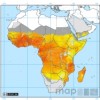
HEALTH-AFRICA: Better Tools to Target Malaria
Roughly a billion dollars a year is spent fighting malaria. Using this money most effectively calls for a detailed understanding of exactly who is at risk - enter the Malaria Atlas Project (MAP).
SWAZILAND: Govt in Court Over Property Rights
In a battle for gender equality, well-known Swazi women’s rights activist Doo Aphane has taken government to court. Aphane is contesting legislation that prohibits her from registering property in her maiden name jointly with her husband.« Previous Page — Next Page »





