Languages
Monday, October 12, 2026



News and Views from the Global South
Poverty
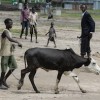
SOUTH SUDAN: Inter-Ethnic Clashes Become More Frequent and Deadly
Thousands of women and children are being abducted and over 1,000 people have died this year as communities in oil-rich South Sudan war over a precious commodity – cattle.
SOMALIA: City in Need of More Aid
The shelling and gunshots, once a common sound in Mogadishu, no longer ring out in the city's streets. The surprise withdrawal on Aug. 6 of the Islamist extremist group Al Shabaab from their stronghold in Mogadishu has meant that people now move about the city, for the first time in two years, without fear of constant attack.
SOMALIA: “I Carried Him a Whole Day While He Was Dead, Thinking He Was Alive”
As the first of food aid from the United Nations World Food Programme was airlifted into Mogadishu on Wednesday, it came too late for Qadija Ali's two- year-old son Farah.
EAST AFRICA: ‘It’s Not a Heartless Mother Leaving a Child Behind, Just One Who Wants to Survive’
On the road between the Kenyan and Somali border lie the dead bodies of children who have succumbed to the famine and the hardships of making the journey from their drought-stricken villages to Kenya.
SOMALIA: “Children on the Verge of Death Left Behind to Save Those Who Had a Chance”
Tens of thousands of starving Somalis have made their way to the government- held part of Mogadishu in search of food, but many parents have made the anguished decision to leave a child too weak to make the journey behind in hope of saving the others.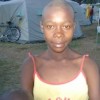
EAST AFRICA: Millions Stare Death in the Face Amidst Ravaging Drought
While Kenya struggles to cope with the influx of refuges fleeing the drought in Somalia, it is estimated that about 1,300 people arrive daily at the Dadaab refugee camp, the country is facing its own crisis of malnutrition and starvation.Somalia to Dadaab: The Journey from Hell
The lorry sways slowly from side to side along a dirt track as it ambles towards its place of rest. The red straw bags, clothes and empty yellow water bottles tied to the rear end of the open cargo hold tower above the pensive faces peering over colourfully painted steel panels.BURKINA FASO: Mutiny Suppressed, But Questions Remain
Despite decisively putting down the most recent mutiny by rebellious soldiers, the Burkinabé government is facing questions over its ability to provide a long-term resolution to a crisis that has gripped the country for several months.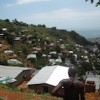
SIERRA LEONE: Deforestation Leaves Poor Vulnerable to Landslides
Samuel Weekes remembers when the hills stretching out beyond the heart of Freetown were green.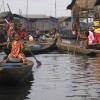
NIGERIA: Women Giving Each Other a Hand Up
In an open space near her home in Makoko, a crowded suburb of the sprawling city of Lagos, Latifat Agboola sits in the midst of bags of charcoal, attending to her customers. Some of them call her "the charcoal woman with the dirty job, but she sees herself as a businesswoman on the rise.
ZAMBIA: Making the Most of Limited Capital
Proponents of microfinance often portray it as the empowering extension of credit to vulnerable but diligently self-employed poor people - often women - who support each other to improve their livelihoods as well as repay their loans. The image is true, to some extent, but in many parts of Africa, microfinance institutions have somewhat sharper teeth.
ZAMBIA: Microfinance Beyond the Reach of the Poor
According to the World Bank, less than eight percent of Zambian adults have bank accounts. For the millions who make their living in the informal economy, this prevents them from earning interest on any savings they have or securing credit needed to expand small businesses beyond mere survival.
DEVELOPMENT: Women Leading Bangladesh Away from the LDC Tag
Women entrepreneurs and workers will soon help Bangladesh shake off the Least Developed Country (LDC) label, business leaders say.
DEVELOPMENT: Chinese Step In, Efficiently
For Jany Chen from Shanghai, concern often-raised in Europe and North America about the Chinese invasion of Africa is a lot of wasteful talk that deserves to be flushed down the toilet. Efficiently.
Uganda Stoves Saving Fuel and Forests
Carbon finance is putting new and efficient charcoal stoves into hundreds of thousands of kitchens in Uganda – reducing charcoal use and protecting forests as well as saving money for poor households.DEVELOPMENT: New Action Programme, and New Name for the Poorest
A new 10-year blueprint for assisting the poorest countries on the planet to join the league of the more fortunate ones was approved Friday at the closing of the Fourth U.N. Conference on the Least Developed Countries (LDC-IV) held May 9- 13 here.
DEVELOPMENT: South-South Axis Strengthens
The glass isn’t exactly half-full, but it certainly is not entirely empty either. Within the broad failure of the weeklong Fourth U.N. Conference on the Least Developed Countries (LDC-IV) in Istanbul that concluded Friday, many delegates are taking heart in a strengthening South-South front that has emerged.
DEVELOPMENT: Market Forces Rise Above Declarations
Upstairs in halls where the conference of the Least Developed Countries (LDCs) is being held, all the right things were being said about the misery of poverty and the virtue of opportunity and development. Several floors below, what are called ‘market forces’ were at work.Seed Proteins May Help Plants Weather Drought
British researchers are working on techniques to improve seeds chances of surviving drought by tapping the potential of little-known proteins that regulate water intake.
LDCs Seek Mini Trade Deal
Leaders from the Least Developed Countries are making a strong push in Istanbul for a mini trade deal for their 48 impoverished nations - ahead of any worldwide agreement under the Doha Round.WORLD: Better Global and Local Governance Keys for LDCs
The world’s poorest citizens must struggle for more democratic governance and demand that their leaders fulfill their duties and responsibilities if their countries are to graduate from the group of 48 least developed countries, say civil society representatives.« Previous Page — Next Page »





The Week with IPS

NEXT STOP - SDGs
Tracking global progress towards a sustainable world
Tracking global progress towards a sustainable world
