Languages
Thursday, August 6, 2026



News and Views from the Global South
Reproductive and Sexual Rights

HEALTH-AFRICA: Fresh Campaign Against Paediatric AIDS
Eleven years ago, Raloke Odetoyinbo had been married for two years and a month when she found out she was HIV positive.UGANDA: Lifting Silence on Menstruation to Keep Girls in School
More than half of Ugandan girls who enrol in grade one drop out before sitting for their primary school-leaving examinations.KENYA: AIDS Prevention Amongst Drug Users a Challenge
The United Nation Office on Drug and Crime (UNODC) claims that Kenya has more drug users than any other East African country. UNODC estimates there are 100,000 cocaine users, 200,000 using opiates like heroin and four million who smoke cannabis.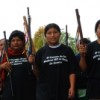
COLOMBIA: Sexual Violence as Weapon of War
Sexual violence is used as a weapon of war in Colombia by all parties in the country’s longstanding armed conflict, and its main victims are women and girls, states a report recently released by Intermón Oxfam, backing up claims made repeatedly by national and international human rights groups.DEVELOPMENT: Is It Time to Plan Another U.N. Population Meet?
When the United Nations commemorated the 15th anniversary of the 1994 landmark conference on population and development (ICPD) last week, one of the questions lingering in the minds of many seemed obvious: is it time to plan another major conference on population?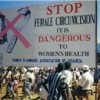
RIGHTS-UGANDA: Female Circumcision Still a Vote Winner
Over three decades ago a 14-year-old girl, her sister and a group of young teenagers from Bukwo headed to the River Amana for a ceremony that would change their lives forever.RIGHTS: Unsafe Abortions Killing 70,000 a Year
Unsafe abortions kill about 70,000 women a year, says a report by the U.S.- based Guttmacher Institute. An additional five million women are treated annually for complications arising from unsafe abortion, adds the report, based on a global survey.GUATEMALA: Only 10 Agents to Fight Human Trafficking Nationwide
In spite of a new law against human trafficking in effect since March, little has been done in Guatemala to fight the trafficking of children, and child sex tourism has begun to flourish, experts warn.HEALTH: Criminalisation of Abortion 'The Wrong Concept'
One hundred African women and girls die unnecessarily from unsafe abortions every day because they have to rely on unqualified medical practitioners or self-induce abortion by ingesting poisonous substances or inserting tools into their uterus.HEALTH-NAMIBIA: Illegal Abortions Common Despite Risks
Ten years ago, a move to legalise abortion in Namibia failed. The number of unwanted pregnancies remains high, with many people unwilling or unable to use contraception. Despite the risks, illegal abortions remain common.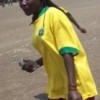
ZAMBIA: Orphans Learn Life Skills Through Soccer
For 70 minutes, the girls in the distinctive gold-and-green jersey of Brazil shut out the attacks by the visiting team. The bare feet of chubby-faced left back Njavwa Silungwe are lively in defence.RIGHTS: Security Council Backs Advocate for Women in War Zones
The U.N. Security Council Wednesday called on Secretary-General Ban Ki-moon to appoint a special representative to intensify efforts to end sexual violence against women and children in conflict situations.RIGHTS: Women’s Groups Take on Laws Based on Sex
When a landmark U.N. conference on women adopted a "platform for action" in Beijing in 1995, member states were urged to commit themselves to revoke all existing laws in their statute books that discriminate on the basis of sex.
PHILIPPINES: Ban on Abortion Prevails
Sitting in an apartment in central Manila, 70-year-old Lydia (her second name has been withheld to protect her identity) speaks in hushed tones. A manghihilot, or traditional midwife, she is wary when talking about her experiences of abortion, an often-taboo subject in the Philippines.ARGENTINA: New Voice for Sexual Minorities
A monthly magazine published by an Argentine umbrella group of some thirty organisations of lesbians, gays, bisexuals and trans (LGBTs) seeks to become a major communications channel for the community and an instrument for disseminating the actions that sexual minorities undertake to defend their rights.BRAZIL: Getting Beyond the Taboo to Fight STDs
Although Brazil has the reputation of being more sexually liberal than its Spanish-speaking neighbours, Brazilians suffer their own fears of stigma when it comes to sexually transmitted diseases (STDs) – the target of a new public health campaign.POPULATION: Where’s Family Planning on Climate Change Radar?
Are climate change and reproductive health two disparate subjects?
MOZAMBIQUE: Building Awareness to Reduce Maternal Mortality
In the Niassa province of northwest Mozambique, one doctor has been working with local communities to overcome the delays responsible for three-quarters of maternal deaths each year.ASIA: Region Lags Behind in Reducing Maternal Mortality Rates
In landlocked Laos, pregnancy brings with it the spectre of death. South-east Asia’s poorest country has recorded over 700 women dying every year due to complications during childbirth.POPULATION: 'Time to Shelve the ICPD Plan of Action’
At least 1.5 billion people aged 10 to 25 — the largest generation of young people in history — will need sexual and reproductive health services, says the United Nations Population Fund (UNFPA).
RIGHTS-AFRICA: The Fight Against Rape a Brutal Wait
From Monrovia’s highest hill, the long sliver of Atlantic Ocean shoreline at the mouth of the Mesurado River, with its aqua blue waves, golden sand and wooden fishing boats, looks like paradise. But this is West Point; one of Monrovia’s most impoverished and polluted slums, and it is not paradise.« Previous Page — Next Page »


The Week with IPS

NEXT STOP - SDGs
Tracking global progress towards a sustainable world
Tracking global progress towards a sustainable world
