Languages
Saturday, September 19, 2026



News and Views from the Global South
Southern Africa
MOZAMBIQUE: Co-existing With Floods
April signals the tail end of the flood season in Mozambique. The country's water managers will soon be able to appraise the effects of changing policies.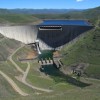
WATER-LESOTHO: Getting Community Consultation Right
The Lesotho Highlands Water Project will move into its second phase in 2010. The first phase has been praised as a shining example of transboundary water sharing in Africa, but community dissatisfaction may mean a rough ride for its extension.
SOUTHERN AFRICA: Benefits of Working Together on Water
The river basin organisation people are gathered in Botswana again: the theme this year is "benefit-sharing", an approach to allocating water that, it is promised, will accomplish nothing less than to make more water.MOZAMBIQUE: Weather Service Key to Flood Disaster Management
Mozambique's government learned some tough lessons from the devastating floods that hit the country a decade ago. Experts say the disaster management plans drawn up since are a model for other African countries.
WATER-ZAMBIA: Lozi Make Annual Migration to Higher Ground
Josias Akataama spent March watching the moon wane above, and flood waters rise from below. Only with the sighting of the new moon, would the men, women and children of Kandiani know when they could leave the water-logged village for higher ground.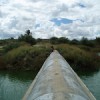
NAMIBIA: Banking Water for the Future
In the driest capital city south of the Sahara, water engineers are "banking" ground water to meet future demand, but the enormous costs might sink the project before water can be harvested.ZIMBABWE: EU and U.S. Exhibitors Stay Far Away from Trade Fair
Companies from the European Union and the U.S. will not feature at this year’s Zimbabwe International Trade Fair despite the formation of a government of national unity last year.SOUTH AFRICA: Racist’s Death Highlights Rural Tension
Eugene Terre'Blanche, killed on his farm on Easter weekend, is catalysing racial tension in South Africa in death much as he did in his life.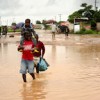
ZAMBIA: Health Fears Follow Floods
As the heavy rains subside, signifying the end of the rainy season, a cholera outbreak is sweeping through the Zambian capital, Lusaka.
ECONOMY: Brighter Business Prospects for Swazi Women
Business in Swaziland is perceived as a man’s playground, and Swazi women have long found themselves on the periphery. Not only are big industries dominated by men, they are also the ones who award tenders in government and other institutions.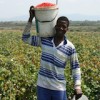
WATER : Swazi Village Gets a Self-Sustaining Water Supply
No one loves the bill collector, and Sifiso Shongwe gets a chilly welcome as he goes from household to household collecting money for Maphilingo's community water scheme.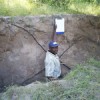
MOZAMBIQUE: Earthquakes: Not a Matter of If, But When
Time is everything in responding to a natural disaster. Mozambique's disaster management specialists are worried that they are missing key data on the small tremors that take place almost daily in the quake-prone country.
ENVIRONMENT-ZIMBABWE: Future Generations Will ‘Inherit Only the Wind’
The plumes of smoke rising above the dense working class suburbs of Bulawayo are a sign of the environmental impact of Zimbabwe's electricity crisis.
ZIMBABWE: ‘Farming God’s Way’
Mbuya Erica Chirimanyemba is a marvel among women, and men! Watching her digging holes in dry ground earlier this year, her neighbours thought the old lady had gone berserk. But 60-year-old Chirimanyemba was putting an alternative farming technique into practice.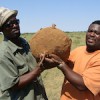
AGRICULTURE-NAMIBIA: Turning to Wild Bean for Protein
Obed Kamburona has tried to grow many different crops on his large farm, but the dry sandy soil in Otjovanatje has thwarted him every time.
SOUTH AFRICA: Men Battle Gender-based Violence
When Mbuyiselo Botha decided to take the African National Congress League President, Julius Malema, to court for hate speech against women, he was confident from the start that the case had merit. But he also knew that this would be the most challenging test of his 15 years of gender activism.ZIMBABWE: Women Survive Political Violence Alone
Mary Pamire will never forget the day a group of men took turns to rape her.
SOUTH AFRICA: Playing Football for Hope
Sixteen-year-old Neo Malema and his brothers and sister live with his grandmother in the impoverished Alexandra Township in Johannesburg. Despite his poor background, Malema dreams of one day playing football for the country’s national squad, Bafana Bafana.
TRADE-SOUTHERN AFRICA: “Reclaim Control over EPA Talks”
Southern African governments must regain control over the negotiations on the trade deals known as economic partnership agreements (EPAs). Issues earmarked as deal-breakers should be resolved before talks to a full EPA are continued. These include limiting the EPA to a goods-only agreement and the EU dropping its demand for reciprocity.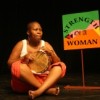
ARTS-SOUTHERN AFRICA: Women Dancers Can Fill Granaries
"Some said, how can women dancers tell us about climate change? Some said, how can dancers talk about planting trees? Others asked, how can women dancers build schools? But now the government says a drum has managed to fill our granaries, a dancer has managed to build schools."HEALTH-ZAMBIA: Government’s SMS System for HIV Test Results
HIV-positive Bupe Mwamba, 22, lies next to her newborn baby girl at the rural clinic she just gave birth in and wonders if her baby is HIV-positive too.« Previous Page — Next Page »


The Week with IPS

NEXT STOP - SDGs
Tracking global progress towards a sustainable world
Tracking global progress towards a sustainable world
