Languages
Sunday, October 11, 2026



News and Views from the Global South
Southern Africa
HEALTH-AFRICA: HIV Laws Do More Harm Than Good
In Sierra Leone, a mother who transmits HIV to her child can be fined, jailed for up to seven years, or both. Human Rights Watch reports that in 2008, several men were arrested in Egypt simply for being HIV positive. New legislation is currently being discussed in Angola that could lead to a three to ten year jail sentence for those who knowingly pass on HIV.
ZIMBABWE: Neglect Sanitation at Your Peril
A functioning public toilet has become a rare sight in Bulawayo. Across this southern Zimbabwean city of about two million residents, public toilets have all but stopped functioning, the buildings now more useful as platforms for graffiti and campaign posters than as public conveniences where people answer the call of nature.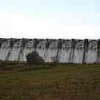
SOUTH AFRICA: Rights to the River
Millions of litres of water are being unlawfully diverted into dams set up by South Africa's major industries, big mining companies and commercial farmers - with potentially devastating consequences for management of the resource.
ZIMBABWE: New Constitution: Civil Society ‘Taking Charge’
Barely two weeks after the start of an official process to draw up a new constitution for Zimbabwe was delayed by supporters of Robert Mugabe, it faces another challenge: civil society organisation have launched a parallel constitutional project, saying the unity government's parliamentary-led procedure is undemocratic, defective and will produce a flawed document.HEALTH: Namibia Makes Strides in Paediatric HIV
While paediatric HIV remains a growing concern throughout Southern Africa, Namibian doctors have managed to put high numbers of babies on the life-saving antiretroviral (ARV) treatment with the help of an early infant diagnosis (EID) programme based on dry blood sampling.
ECONOMY-ANGOLA: Entrepreneurial Spirit Born Out of Necessity
"Amiga, amiga," the women shout out, "Apples, pears, pineapples..." their cries fading into the beeps and growls of the traffic noise.RIGHTS-ZIMBABWE: An Old Question Returns: What Peace Without Justice?
Today is the first of three days dedicated to national healing in Zimbabwe. For the man charged with steering reconciliation in Zimbabwe after the recent bloody struggle for power, it is walk down a familiar path.
RIGHTS-NAMIBIA: New Dangers, New Efforts to Protect Children
New channels like sms messages and social-networking application Facebook are just some of the tools government and civil rights groups will be using to encourage input on the Child Care and Protection Bill will soon be tabled in Namibia's parliament.POVERTY-SWAZILAND: Planning Oversight Halts Food Security Programme
A Food-for-Work programme, which cleverly aims to combat both environmental degradation and food shortages, has come to a halt due to lack of long-term planning.
RIGHTS-SOUTH AFRICA: When the Goal Is Peace
Delivering his first state of the nation address in June 2009, South Africa's President Jacob Zuma described sport as 'a unifying force' that people must use to live together.
HEALTH-AFRICA: Phoney Choice Between Life and Death
Failure to sustain funding for HIV/AIDS treatment programmes could lead to a rising number of deaths, particularly in Africa.
LESOTHO-WATER: One Dollar Per Square Metre, Now Move
The construction of a two billion dollar dam in Metolong, some 35 kilometres outside of Lesotho’s capital Maseru, is being welcomed by people in and around the city who will gain access to clean and safe drinking water when construction is completed in 2013.
TRADE-ZIMBABWE: "Another Operation Murambatsvina to Be Unleashed"
It’s a Thursday morning and the Mbare Musika Market is a hive of activity. Trucks, weighed down with assorted fruits and vegetables, negotiate their way through the congested market. You can get anything here -- from vegetables, mealie-meal and cooking oil to television sets and clothing.AFRICA: Organic Farming Could be Answer to Food Insecurity
Commercial farmers sometimes fail at organic farming because they switch over too quickly, ditching all chemicals, which is as traumatic for the soil as "a drug addict going cold turkey".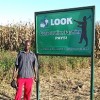
ZAMBIA: Conservation Agriculture Gaining Ground
Not even the least alert of drivers can miss the sign along the busy road 30 kilometres south of Lusaka: "Look, Conservation Farming Pays!"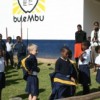
DEVELOPMENT: Social Enterprise in the Swazi Highveld
In 2006, faith-based charity organisation Bulembu Ministries Swaziland took over management of an all-but abandoned mining town, situated on a 1,700 hectares in northwestern Swaziland.
SWAZILAND: Resurrecting Bulembu
In 2005, Bulembu was a ghost town. The once-prosperous mining town's population had fallen from 10,000 to just 100. The beautiful houses that used to accommodate company staff and their families, schools that had been among the best performers in the Kingdom, shops, clinics - all fell quickly into disrepair when the asbestos mine closed.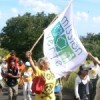
ENVIRONMENT-MAURITIUS: Hold Your Fire
Mauritius appears to have a happy problem with the 400,000 tons of waste it produces each year. The island's only landfill is full and the government must decide whether to turn to incinerating waste - generating electricity in the process - or to compost it, to the benefit of farmers.
ECONOMY-ZIMBABWE: Government in Two Minds About the Rule of Law
The Zimbabwean government’s international investment conference at the end of last week did little to assuage fears that the country remains far away from re-establishing the rule of law and stopping land invasions.BOTSWANA: Controversy over Government Loan to Fund Privatisation
Controversy has erupted over a decision by Botswana’s government to accept a loan from the African Development Bank, a departure from over two decades of running Africa’s "model economy" without borrowing.SOUTH AFRICA: Fight Sexism to Help Young Mothers
"My mother was surprised that my breasts were getting bigger, and told me to go to the clinic to take a pregnancy test. The nurses told me I was pregnant and so I cried. I cried because I thought I was too young to have a baby and I thought I wouldn't manage."« Previous Page — Next Page »





The Week with IPS

NEXT STOP - SDGs
Tracking global progress towards a sustainable world
Tracking global progress towards a sustainable world
