Languages
Friday, October 9, 2026



News and Views from the Global South
Southern Africa
SWAZILAND: No Fees No School
The future education of Swazi children remains uncertain, as public schools across the country have not reopened for the new term because government has not been able to pay for their upkeep.
ZAMBIA: Social Media to Monitor Elections
When Zambians go the polls on Sep. 20 they will have the most effective team of observers monitoring the electoral process – themselves. Citizens, through social media, will be able to report offences and irregularities during and before the general elections.
Namibia Wants to Conclude Talks and Sign EPAs
European Trade Commissioner Karel de Gucht made a pit-stop in Windhoek to appease concerns over a troublesome economic partnership agreement (EPA) ahead of the Africa-European Union summit in South Africa.
Developing Countries’ Designs for the Green Climate Fund
With its coffers largely dry and its management being contested, the Green Climate Fund (GCF) remains a hot topic among African civil society. Ahead of the upcoming international climate change meeting in South Africa, African ministers have already met to set their agenda and civil society is looking to do the same.
Q&A: Africa Keen to Ensure Kyoto Protocol Survives
Durban should not be the burial ground for the Kyoto Protocol, says Kumi Naidoo, Executive Director of Greenpeace International, about his expectations from the 17th United Nations Framework Convention on Climate Change happening in his hometown in South Africa later this year.
TRADE: Southern Africa Has its Work Cut Out
Southern Africa has moved forward with regional economic integration, but challenges remain, say trade experts.
TRADE: Africa Still the Odd One Out
While globally trade agreements are more and more about linking production chains between countries and continents, Africa remains locked in a struggle to overcome the colonial legacy of fragmentation, trade experts say.
AFRICA: Slow Progress in Reducing Maternal Mortality
Agnes Kalunda’s doctor feared that because of her slight frame there was a high chance of her developing complications during delivery.
MALAWI: Government Becomes a One-Man Show
For the last two weeks, Malawi’s president has been running the country’s 22 ministries on his own after firing his entire cabinet. But political and economic analysts say that his delay in appointing a new cabinet is detrimental to the country’s development. Some analysts say government has come to a standstill because of this, while others say the situation shows that the president has lost control.
SOUTH AFRICA: While Politicians Deliberate Climate Change, Others Adapt
While many scientists, academics and politicians still theorise about ways to adapt to climate change, a South African civil society organisation has launched a hands-on project that mobilises communities to take easy steps to reduce carbon emissions.
TRADE: Free Trade in Africa, For Better or Worse?
It is not certain that an African free trade area will further regional integration or deepen the existing inequality between countries.
MAURITIUS: Drug Use on the Increase among Kids
With drug trafficking rampant in the small Indian Ocean island nation of Mauritius, social workers and drug treatment centres are noting an increasing number of children and youth are now becoming addicted to drugs.Mega Cities Could Trigger Water Shortages and Social Unrest
The rapid growth of urban population - described as one of the world’s major demographic trends - has triggered an explosion of "mega cities" in Asia, Latin America and Africa, causing a breakdown in basic services, including water supplies and sanitation facilities.POLITICS: IBSA Opposes Measures Against Syria
Members of the emerging economy grouping known as IBSA - India, Brazil and South Africa - have joined China and Russia in opposing measures against Syria.
Too Much Water As Dangerous As Too Little
The international community is running the risk of losing the battle for water and sanitation in many cities around the world.
ECONOMY-ZIMBABWE: Good Policies Make for Good Business
With effective political and economic policies, Africa can be a haven for multinational companies (MNCs) even in the continent's least developed countries.
MALAWI: Giving Up on Tobacco
Malawi is reducing the production of tobacco following huge losses by smallholder tobacco farmers and commercial estates trading the crop on the country’s only official tobacco markets, the auction floors.
MALAWI: Hospitals Struggle Amid Water Shortage
Two battered plastic chairs bar entry to the toilets at the Bangwe Township Clinic in Blantyre. The toilets are not working because there is no running water – yet again. And if patients want to use the facilities they will have to run to the next- door primary school, which has pit latrines.
Q&A: Water Will Be Lifeblood of Smart Urban Expansion
The world's water map is being significantly redrawn due primarily to the mass migration of people into urban centres, threatening one of life's vital resources.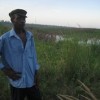
MOZAMBIQUE: Climate Change Threatens Smallholder Farmers
Long after the wintry sun set over her patch of crops outside the Mozambican capital Angelina Jossefa keeps pulling out weeds. Much of her lettuce, carrots and beetroot died during a cruel winter, which means she has to work harder to feed her three children.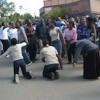
SWAZILAND: Disagreement on How South African Loan Should be Spent
Despite the 2.4 billion emalangeni (342 million dollar) loan from the South African government to its cash-strapped neighbour, Swaziland is sinking deeper into debt.« Previous Page — Next Page »





The Week with IPS

NEXT STOP - SDGs
Tracking global progress towards a sustainable world
Tracking global progress towards a sustainable world
