Languages
Monday, October 19, 2026



News and Views from the Global South
The Information Society
U.S. Reports Decry Curbs on NGOs, Internet, Minorities
Growing government harassment of civil society organisations (CSOs), restrictions on Internet use, and persecution of vulnerable minorities constituted three of the most worrisome trends that slowed the spread of human rights around the globe in 2010, according to latest annual edition of the State Department's massive "Country Reports".CUBA: Forum Calls for Decentralisation, to Boost Participation
The annual Critical Observatory Social Forum discussed the need for new spaces of dialogue, debate and participation in Cuba, including the use of information and communication technologies (ICT) and decentralisation to empower local communities.MEDIA: It’s Still a Man’s World, Especially at the Top
Long known as a "boy's club", the worldwide media industry continues to struggle with gender equality, with new research showing women are still underrepresented in the majority of newsrooms across the globe.WIKILEAKS: Australians Call For Legislation to Protect Whistleblowers
Some Australians are convinced their government is sharing intelligence information with foreign powers about citizens implicated by documents released by Wikileaks.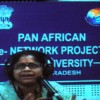
INDIA: Engaging Africa With Software and Soft Power
India cannot match China’s massive investments in Africa, but it is using its information technology capabilities and its affordable university courses to stay relevant on the continent.CUBA-US: Alan Gross and the “Cyberwar”
The 15-year jail sentence handed down over the weekend to U.S. citizen Alan Gross, who was found guilty in Cuba of "acts against the independence and territorial integrity of the state," is part of a new chapter in the conflict between Havana and Washington, which is now playing out in cyberspace.MEDIA-DOMINICAN REPUBLIC: A Bad Case of Quid Pro Quo
At first glance, the Dominican Republic appears to be a bastion of free information, with seven print dailies and seven national television stations. But journalists here say that more subtle means of coercion have become the norm.Q&A: Ordinary Women Have Extraordinary Stories to Tell
Ordinary women's voices are too often ignored when it comes to solving their own problems, admonishes Loga Virahsawmy, Director of the Southern African NGO Gender Links, Mauritius and Francophone Office.OP-ED: Zambian TV Ads Threaten Women’s Gains
Five years since Ellen Johnson-Sirleaf was elected president in Liberia, it appears there is a systematic campaign to remind African women that their place is still in the kitchen. And advertisers of detergent powders and other cleaning products appear to be the main culprits.HUNGARY: Media Struggles to Find a Free Voice
EU pressure may force Hungary to step back on some provision of its controversial media law, but its main goal has been achieved before it even took effect: media are intimidated.As Talks Stall with Iran, U.S. Steps Up Propaganda War
Egypt's revolution appears to have stiffened the spine of the Barack Obama administration when it comes to Iran.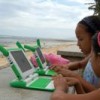
PHILIPPINES: Island Kids Get Connected
In a remote island community where fishing is the main source of living, one would expect children to be surfing the waves and not surfing the net.
PAKISTAN: Divided Between the Mullah and the Model
A spat between a Pakistani actress and an Islamic leader has emerged as a vivid revelation of a deep split across the nation between different sets of values.
ZIMBABWE: Activists Seek WSF Solidarity Against Privatisation
Zimbabwean activists will raise the issue of privatisation at the World Social Forum, taking place Feb 6-11 in Dakar, Senegal, and seek solidarity from other activists to resist a renewed government attempt at selling Zimbabwe’s state- owned enterprises.
Virtual Warfare Escalates on U.S.-Mexico Border
In the quiet desert community of Nomirage, located just 20 kilometres east of San Diego, the sounds of impending war creep over the silent landscape.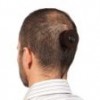
Iraqi Artist Becomes World’s First Human Camera
Wafaa Bilal hasn't had a decent night's sleep in about two months. After becoming the first person to have a camera surgically implanted into the back of his head, the Iraqi- American artist is learning the hard way just how much of a headache modern technology can be.Assange in Decisive Fight Over Swedish Rape Law
The attempt to extradite the Wikileaks founder Julian Assange for questioning over allegations of sexual crimes has caused a big debate about the Swedish justice system abroad. The case has also brought the comparatively broad definitions of what constitutes rape in this country into the limelight.MALAYSIA: Online Media Fight Internet Clampdown
A government plan to control online media has sparked widespread protest from journalists and lawmakers who say the move is a sign of the ruling party’s desperation as it prepares for a "do or die" general election.EGYPT: Mubarak Switches On Smear Campaign
The regime of embattled Egyptian President Hosni Mubarak has unleashed a media campaign to discredit pro-democracy protestors. That comes on the back of a violent crackdown by his supporters.EGYPT: A Revolution, Unplugged
Despite the Hosni Mubarak regime's attempts at muzzling communication and dissent, and the reportedly government- sanctioned shutdown of Egypt's last standing Internet service provider to individual users Monday, Egyptians are still managing to get their voices heard and mobilise - both through advanced technical workarounds and older, traditional technologies.The Ethics of Social Networking for Journalists
The digital revolution is turning people into producers, as well as consumers, of media content. But this new reality has yet to be fully assimilated, and journalists face questions and uncertainties about their social role, their duties and also their rights.« Previous Page — Next Page »





The Week with IPS

NEXT STOP - SDGs
Tracking global progress towards a sustainable world
Tracking global progress towards a sustainable world
