Languages
Monday, October 19, 2026



News and Views from the Global South
The Information Society
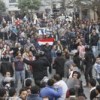
EGYPT: Embattled Regime Cuts Internet Services
Twitter was an early casualty. Then Facebook access became spotty. But when the Internet itself went down, Egyptian pro-democracy activists knew their protests were having an effect.
EGYPT: Public Noose Tightens Around Mubarak
Demonstrations calling for the ouster of President Hosni Mubarak of Egypt continued for the second day in several Egyptian cities with police cracking down violently, a development that many analysts here say reflects the nervousness of the regime.Press Freedom Under Threat in Age of Wikileaks
Freedom of the press could be seriously impacted across the world in the wake of the ongoing political revelations brought about by whistle-blowing websites such as Wikileaks, one of foremost constitutional law experts in the U.S. said Tuesday.INDIA: New Push to Chase Money in Swiss Banks
After Prime Minister Manmohan Singh's refusal to divulge details of billions of dollars allegedly stashed away abroad by Indians, anti-corruption crusaders are banking their hopes on promised Wikileaks revelations.
Q&A: “In Mexico, We Have Let the Violent Ones Do the Talking”
"In Mexico, we have let the violent ones do the talking," says journalist Marcela Turati, author of "Fuego Cruzado" (Crossfire), a new book that tells the stories of victims of President Felipe Calderón's war on drugs, which has left an official death toll of 30,000 in four years.Media Crackdown Threatens Democracy
Following the approval of a restrictive media law that led to widespread domestic and international condemnation, Hungarian society is trying to come to terms with the broader consequences of the country’s alleged descent into authoritarianism.VIETNAM: Communists Gag the Web
By clamping down on the Facebook.com social networking service, Vietnam’s ruling Communist Party is revealing its discomfort with the rapidly expanding avenue for free expression even as it pushes to transform the once poor agrarian nation into a modern industrial society by 2020.
US: EcoATMs Swap E-waste for Cash
It's hardly news that the U.S. love affair with electronic gadgets has a dark side. The global toll on natural resources and the potential health and environmental hazards are staggering.
SRI LANKA: Media Freedom Still Distant
January is indelibly linked to the tumultuous recent history of the media in Sri Lanka. Two years ago, on Jan. 8 Lasantha Manilal Wickrematunge, editor of the The Sunday Leader newspaper, was murdered while on his way to work.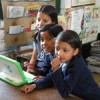
INDIA: 100-Dollar Laptops Bring In Distant Kids
Responding to the lack of computer training in Mukteshwar’s schools, Veena Sethi, a retired Delhi University professor, set up two used personal computers in the basement of her home with the aim of bringing the basics of computing to school children.ARGENTINA: Indie Bands Find New Outlet on the Web
A new way of sharing music has caught on in Argentina, with bands -- both new and established -- filmed in impromptu performances on rooftops or in markets and other public spaces in Argentina. The high-quality videos, which are shot in one single take, are then posted on the Internet.Women Fight Assault Over Internet
Millions use Facebook to keep in touch with their friends, post photos of reunions and parties and share links to interesting articles and videos. But for 24-year old Maria (not her real name), the popular social networking site became a source of public shame when a former boyfriend posted nude photos and videos of her in an account he had created under her name.Tunisian Unrest Stirs Arab World
As Western countries were busy celebrating Christmas and dealing with air traffic holiday delays because of snow blizzards, the tranquil North African country of Tunisia was going through events that would have been thought unthinkable just three weeks ago - public unrest that saw thousands demonstrate against the regime of President Zine el Abidine Ben Ali.MEDIA-HONDURAS: Ten Murders and No Justice
The murder of Henry Suazo, a correspondent for a radio station based in the capital, brought this year's death toll for reporters in Honduras to 10, and made this Central American nation the second most dangerous country for journalists in Latin America, after Mexico.THAILAND: Online Censorship Triggers Fear among Bloggers
When he is not designing another house for this city’s sprawling urbanscape, a Thai architect in his mid-forties worries about another run-in with this kingdom’s cyber police.
Culture Vulture Kids on Argentine TV
A public children’s television channel broadcasting high quality fiction, animation and documentary programmes designed by the Argentine Education Ministry for the two-to-12 age range can now be viewed elsewhere in Latin America via the internet.VENEZUELA: New Rules to Rein In the Internet
Controversy has flared up in Venezuela over planned reforms to the law on online media, especially because restrictions that already apply to the content of radio and television broadcasts would be extended to the internet. Portals and networks that transmit messages deemed to be illegal may face heavy fines, or even be shut down.Wikileaks “Gossip” Merely Annoying in Latin America
Although revelations by the whistle-blowing website Wikileaks concerning Latin America have caused irritation in the region, they have not had any significant effects so far.ARGENTINA: New Campaign Calls Dropouts Back to School
Convincing young people who have dropped out of school to resume their studies is no easy feat. Which is why a group of social organisations in Argentina are joining with the government to launch a different kind of campaign to bring young people back into the classroom in 2011.CHILE: Flood of Criticism for “Retrograde” AIDS Campaign
"It’s much more fun to die of old age than to die of AIDS. And if you die with your lifelong partner, so much the better. Avoid AIDS: be faithful" is one of the controversial TV spots in this year’s edition of the annual anti-AIDS campaign by Chile’s Health Ministry.CAMEROON: Profits Only a Phone Call Away
These are awkward times for the men in the middle in Cameroon's Western Highlands. A profitable niche buying produce cheaply on farms, and supplying farmers with seed and fertiliser at premium prices has been shattered by the sound of a cellphone ringing.« Previous Page — Next Page »





The Week with IPS

NEXT STOP - SDGs
Tracking global progress towards a sustainable world
Tracking global progress towards a sustainable world
