Languages
Saturday, October 3, 2026



News and Views from the Global South
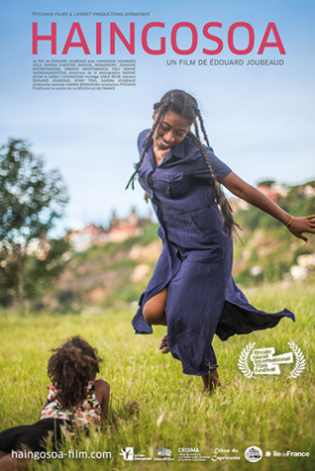
The Music of Madagascar Is Real Star of New Film
The film Haingosoa had barely made it onto screens in France when the government ordered a lockdown because of the Covid-19 pandemic. Theatres, cinemas, museums and other cultural institutions had to shutter their doors, leaving the arts world scrambling to salvage numerous projects.
Cabo Verde’s Morna for UNESCO list, Belgium’s Carnival of Aalst to Go?
Morna, the haunting, traditional music of Cabo Verde, is slated to join UNESCO’s Intangible Cultural Heritage List when a committee meets in Bogotá, Colombia, Dec. 9 to 14, to consider submissions from around the world.
Obama’s Portraitist Challenges Napoleon’s Painter
Fresh from unveiling a huge statue of a black man on horseback in New York’s Times Square, renowned African American artist Kehinde Wiley flew to France this week to “meet” 18th-century French painter Jacques-Louis David.
Festival Pays Tribute to Singer, Civil-Rights Icon Nina Simone
It must be a daunting prospect to sing songs made famous by the incomparable Nina Simone, but performers Ledisi and Lisa Fischer brought their individual style to a BBC Proms concert in London, honouring Simone and gaining admiration for their own talent.
‘Inna de Yard’ Delves into the ‘Soul’ of Jamaica
Dogs barking in the distance. Birds chirping nearby. A man walking through the mist, surrounded by lush vegetation. A distinctive vibrato singing “Speak Softly, Love” over it all.
Loss of Biodiversity Puts Current and Future Generations at Risk
An alarming report about the massive loss of biodiversity around the world warns that future generations will be at risk if urgent action isn’t taken to protect the more than one million species of plants and animals threatened with extinction.
**UPDATED: Activists Spotlight Education for Development and Rights
“Communicate something to your partner in silence.” The pairs of strangers or acquaintances who received this instruction gesticulated, smiled, shook their heads, touched their hearts and otherwise tried to transmit a message.
When Youth Take on The Fight to Defend Rights
Abraham M. Keita says he was nine years old when a girl of thirteen was sexually assaulted and strangled in his home community in Liberia.
No Story Worth Dying For?
“Stay safe. There’s no story worth dying for.” That’s the message to journalists from Nada Josimovic, programme coordinator of Amsterdam-based media rights organisation Free Press Unlimited.
Smears, Laws, Lack of Cooperation: Tools Against Activists
The murder of Brazilian politician and human rights activist Marielle Franco just over a year ago and attacks on other rights activists around the world have galvanised civil society organisations, with the United Nations heightening its own strategy to protect rights defenders.
Civil Society Leaders Meet Amid Protests, Attacks on Rights
Amid rising attacks on rights campaigners, and mass protests in countries such as France and Serbia, civil society groups are urging governments to ensure the protection of “democratic values” and freedom of expression.
French Museum Puts Spotlight on Immigrants’ Musical Impact
Amid the morass of Brexit and continuous debates on immigration, a French museum has launched a thought-provoking exhibition about music and migration.
Taking the Lead in Fight Against Climate Change
As the grandchild of Jamaican citizens who moved to Great Britain, Monique Taffe says she inherited a tradition of recycling and learned not to be part of the “throwaway culture”, as some environmentalists have labelled consumerist societies.
Q&A: A Cuban Film About Family in the “Global South” Premieres in Berlin
A documentary about a Cuban family facing an uncertain future had its world premiere Feb. 12 at the Berlin International Film Festival, one of the world’s most prestigious cinema events. “La Arrancada” (On the starting line) is a debut feature by Brazilian director Aldemar Matias, focusing on a young athlete who is having doubts about her role in national sports in the Caribbean country. The narrative follows her as she considers her future, which may well lie abroad, she reluctantly realises.
“Outsiders” in Focus at French Film Fest
The usual big-name directors were absent this year from the Cannes Film Festival in southern France, creating space for cutting-edge films from Asia, Africa, small European states, and the Middle East.
Protests, Strikes, Solidarity – France Revisits May ‘68
“It’s good to be in Paris on a sunny May day and see many universities occupied … and the strikes against neo-liberalism,” declared British Pakistani writer and activist Tariq Ali at an event in the Paris suburb of Nanterre on May 3. “That’s very pleasing.”
In France, ‘Us and Them’ Amid Elections
Launched in the run-up to the French presidential elections, a daring exhibition in Paris is sparking dialogue about the origins and nature of racism, both in Europe and elsewhere.
France Hosts Major Exhibition on Jamaican Music
It’s one of those movie-like spring days in Paris, where blue skies and brilliant sunshine lift spirits after a long, wet, grey winter. Many people are outdoors trying to catch the rays, but Jamaican artist Danny Coxson is not among them. He’s inside a museum in a northeastern neighbourhood of the French capital, with a brush in his hand and tubs of vivid paint beside him, focusing on finishing a portrait of a deejay named Big Youth.
Under Fire, Journalism Explores Self-Preservation
With widespread attacks on professional journalists and the rise of a fake-news industry, media experts agree that journalism is increasingly under fire. But how can the press fight back and ensure its survival?
Books: A Writer Speaks of Childhood Spent During a “Dirty War”
Laura Alcoba is an Argentine-born writer and translator who lives in Paris, France. Her first book, Manèges (The Rabbit House), described Argentina’s “Dirty War” of the 1970s from a child’s perspective, when even the very young knew what could happen “if your political sympathies drew the attention of the dictatorial military regime”. Thousands were killed, tortured, and abducted, and many names remain among "los desaparecidos".
Dying for the News: Media Call for Help from Gov’t and Public against Attacks
“No story is worth dying for.” This comment at a landmark conference on media safety at UNESCO last Friday emphasised the bewilderment the media felt at the brutal slayings of journalists as they carry out their work.Next Page »


The Week with IPS

NEXT STOP - SDGs
Tracking global progress towards a sustainable world
Tracking global progress towards a sustainable world
