Languages
Saturday, July 27, 2024



News and Views from the Global South
Women's Health

From Trauma to Triumph: Kenyan Women’s Courageous Battle Against Female Genital Mutilation
In the heart of Empash village, a fragmented community nestled in Suswa, Narok County, some 62 miles northwest of Nairobi, Naomy Kolian's story unfolds like a gripping saga of pain, resilience, and unyielding determination. It was here, amidst the familiar surroundings of her home, that she was subjected to female genital mutilation (FGM), a brutal tradition that left her with physical and emotional scars. This hidden trauma would linger, haunting her well into adulthood.
New Child Marriages, Cohabitation With a Child Law in Sierra Leone Lauded
“A person shall not contract marriage with a child,” Sierra Leone’s landmark Prohibition of Child Marriage Act 2024 says, outlawing, in no uncertain terms, child marriage, giving consent to and attempted child marriage, officiating, attending and promoting child marriage, and use of force or ill-treatment of a child.
Investing in Teachers, School Leaders Key in Keeping Girls in School UN-African Union Study Finds
Investing in teachers and school leaders in Africa is the most important factor in promoting educational opportunities for girls, keeping them in school and ending child marriage, ultimately reducing gender inequality through education.
Turning the Tide: Health Community Turns to UNFCCC for Inclusivity
There is a rapid realization that climate change is impacting health, which is why the recently adopted World Health Organization's Climate Change and Health Resolution is considered pivotal.
Lawmakers Deliberate on ICPD30, Water Security at Tajikistan Conference
It's been 30 years since the International Conference on Population and Development Programme of Action (ICPD30) was adopted in Cairo, transforming policy and thinking on population and development issues.
The World Must Not Abandon the Mothers of Gaza
As millions of children and families celebrate their mothers, my thoughts turn to the pregnant women and new mothers our teams at UNFPA, the United Nations sexual and reproductive health agency, support in more than 130 countries around the world. And I hold in my heart all those who, tragically, will never live to see their newborns.
IPCI 2024: Technology as a Tool to Advance and Threaten Sexual and Reproductive Health Rights
Technology emerged as a core theme of IPCI Oslo for its relevance in advancing the objectives of the Cairo Programme of Action. When channeled for good, it is an effective tool that can fill accessibility gaps in the health sector and spread awareness of sexual and reproductive health rights. Yet, the way in which digital technology has been weaponized against SRHR is of great concern for parliamentarians, especially for women.
IPCI 2024: Oslo Conference Focuses on Parliamentary Power over Reproductive Rights
Gearing up for the 30th anniversary of the International Conference on Population and Development (ICPD), the world’s parliamentarians and ministers are meeting in Oslo to determine the course of action needed to promote sexual and reproductive human rights (SRHR).
WHO Calls for More Data on Violence Against Older Women and Women With Disabilities
Older women and women with disabilities experience abuse that is unique to their demographics, yet they are underrepresented in national and global databases, according to findings shared by the World Health Organization (WHO).
International Women’s Day, 2024
Rural Tajik Woman’s Road to Empowering Women Living with HIV
Born and raised in a rural area in a traditional Tajik family, Takhmina Haidarova managed to finish high school with excellent grades and wanted to go to university.
“[But] it was compulsory for my family to give higher education to boys, and girls were trained to be housewives,” she says. Her dream of higher education was instead replaced by an arranged marriage to a cousin.

New Anti-Rape Crisis Centre Brings Hope for Sexual Abuse Survivors in Pakistan
Medical experts and women's rights activists are pinning hopes on the establishment of an anti-rape crisis centre for the provision of medical and legal aid to victims of sexual assaults in a timely manner will ensure convictions. Currently, it takes years to bring the perpetrators of rape to justice due to a lack of evidence and more often than not, the accused get acquitted.
Female Genital Mutilation and Cutting in Asia Remain a Neglected Problem
Significant advances have been made in Africa towards ending female genital mutilation/cutting (FGM/C). Unfortunately, the same cannot be said for Asia, where FGM/C occurs in at least ten countries, but governments across the region are failing to take effective action. Women’s rights organizations are calling for states to introduce much-needed laws to criminalize FGM, provide national data on the extent and nature of the practice, and adequately fund efforts to tackle this regionally neglected problem.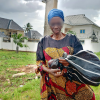
In Africa, Witch Branding Destroys Elderly Women’s Lives
One day in October 2020, Serah Akpan, 70, was seated in her house at Boki Local Government in Cross River, southern Nigeria, when she heard the murmurings of irate youth outside. Before she could grasp what was really happening, they had broken into her house, bundled her outside, and threatened to kill her for allegedly being a witch.
Hindu Woman Doctor Confident of Election In Pakistan Polls
A woman medical graduate from the Hindu community is making waves, as she is the first minority woman to contest the Pakistan Parliamentary election for a general seat, and she does so in the face of deep-rooted religious traditions and wealthy political opponents. Dr Saveera Parkash, a nominee of the Pakistan People’s Party (PPP) for the February 8 polls, is sure of her victory despite her religion.
South Asian Women, Girls Need Responsive Legal System to Gender Violence
Criminal justice systems in South Asia are failing women, despite stark statistics on the prevalence of violence. WHO estimates translate to one in every two women and girls in the region experiencing violence daily.
Saving Energy, Saving Forests: How Kindle Stoves Are Changing Women’s Lives
Five years ago, farmer Sehlisiwe Sibanda would walk into a nearby forested area to fill a scotch cart with huge wood logs for cooking and heating; a pile of firewood would last her a week during the summer. But now she does not need a cartful of huge logs. Small branches and twigs are enough to last for more than a month.
From Dancing ‘For a Living’ to Dancing For ‘Women’s Dignity’
At first, he danced for money, but later on, he realized the need to dance for sanitary pads in order to help poor girls and women. Now, 29-year-old Proud Mugunhu conducts dance tutorials that earn him 100 pads from each session.
This Doctor Helps Himalayan Women Ward off Cervical Cancer
While working as a doctor in the initial months of his medical career in southern India, a telephone call from his home in the Ladakh Himalayas convinced Nordan Otzer to involve himself with cervical cancer awareness.
ECW Interviews France’s Minister of State for Development and International Partnerships Chrysoula Zacharopoulou
Chrysoula Zacharopoulou is a medical doctor. Born in Sparta (Greece) in 1976, she holds both French and Greek nationalities and is a graduate of Sapienza University in Rome, as well as holding a PhD on endometriosis. She arrived in France in 2007, practicing as a gynaecological surgeon at Bégin Military Hospital.

High Prevalence of Undetected Hypertension Found in Bangladesh
Since her childhood, Parveen Begum, 52, has been adding extra salt while eating her meals. However, she did not know that this contributed to high blood pressure.
Commonwealth Civil Society Offers Ministers Crucial Recommendations for Gender Equality Advancement
On August 22, 2023, Women's Affairs Ministers from the Commonwealth huddled in a room at the Atlantis Resort in the Bahamas. For the first time since the COVID-19 pandemic, they were meeting in person.Next Page »








Worldwide, women’s health is a serious issue. The result of a wide diversity of factors, most notably insufficient access to education, women’s health issues must be addressed. Without access to proper schooling, many girls grow up without the necessary understanding of reproductive health. Due to this, reproductive issues and sexually transmitted infections plague women in developing countries. Women struggle to battle infections such as HIV. The lack of relevant services, coupled with the lack of women’s rights pertaining to their own health, are some of the serious issues that these stories seek to explain.

The Week with IPS

NEXT STOP - SDGs
Tracking global progress towards a sustainable world
Tracking global progress towards a sustainable world
