Languages
Friday, June 26, 2026



News and Views from the Global South
Children on the Frontline
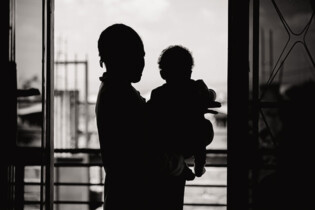
In 2025, Government Forces were the Greatest Perpetrators of Violence Against Children in Armed Conflicts
A record number of children were subject to grave violations by parties to armed conflicts, the highest since the UN mandate for children and armed conflict (CAAC) was established in 1996.
Escalating Violence and Influx of Returnees in DRC Fuel Regional Instability
In the month following the reopening of the Burundi-Democratic Republic of Congo (DRC) border, the humanitarian crisis in the DRC has deteriorated considerably, recently marked by an influx of Congolese refugees returning home, where they face overcrowded conditions and a severe shortage of essential services. This comes in the midst of escalating clashes between rebel groups AFC and M23, and forces affiliated with the Kinshasa government, with drone strikes causing widespread destruction and pushing violence closer to Burundi’s borders, where conditions are most dire.
Haiti at a Crossroads: Political Uncertainty and Gang Control Push Nation Toward Collapse
As Haiti’s Transitional President Council (TPC) approaches its February 7 expiration date and the country remains without a newly elected president, humanitarian experts warn the nation risks further sliding into insecurity, raising fears of broader collapse.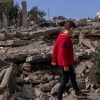
Outlook for 2025: Strengthening the Foundations of Children’s Futures
In 2025, the world is facing a new and intensifying era of crisis for children. Climate change, economic instability, and conflict are hitting harder and more often, intersecting in ways that make the challenges of addressing them even more severe.
Remembering Jimmy Carter: a UN Perspective
Former American President Jimmy Carter was a man of peace and principles. He presided over a tumultuous period in American history from 1977 to 1981, working hard to restore trust in government after the Watergate scandal and the divisive era of the Vietnam War. He brokered a landmark peace deal between Israel and Egypt and negotiated a historic treaty to hand over the Panama Canal to Panama.
Bold Donor Action Urgently Needed to Give Ethiopia’s Crisis-Impacted Children a Lifeline
Ethiopia’s education system is buckling under the weight of complex, competing challenges. The aftermath of a deadly war in the north, ongoing violence, climate-induced disasters, and widespread forced displacements have converged to push as many as 9 million children out of school. With close to 18 percent of schools in the country destroyed or damaged and persisting intercommunal conflicts in various regions, there are fears that many might never find their way back to school.
Children’s Needs Due to Climate Change, Conflict Often Ignored in Negotiations
As the world grapples with ongoing armed conflicts, from Ukraine to Gaza, advocacy for a more proactive approach to understanding and effectively responding to the needs of children affected by both armed conflict and climate-induced crises is growing.
Moving From Trauma to Healing: Practicing Self-Care in Refugee Camps
A Rohingya woman tells a forum of peer counselors the story of her divorce. A survivor of domestic abuse, she has started a new life alone with her daughter. She has weathered a storm of neighbors telling her she was the problem. Now, she provides the support she didn’t have to other women like her.
The Importance of Being Listed: Why Politics Threaten the Protection of Children in Armed Conflict
Frontline workers who document and respond to violations against children have faced a particularly challenging last year, from the impact of Covid-19 on operations and child protection to the record levels of displacement worldwide to the ever-worsening threats from militaries and non-state armed groups.
Refugee Children Explain How Education Helped Put Their Trauma Behind Them
Eighteen-year-old Chuol Nyakoach lives in the Nguenyyiel Refugee Camp in Gambella, Ethiopia. Chuol is grateful that despite the trauma she has already experienced in her young life, she is able to continue her education in the refugee camp. Learning has given her a reason to wake up every day.
UN Sanitizes Killings of Children in Armed Conflicts
The horrendous killings of children in military conflicts and civil wars – both by national armed forces and militant groups – have triggered widespread condemnation by human rights organizations worldwide.
Budgeting for a Better Future, for Every Child
2020 has not turned out as planned. As the COVID-19 pandemic continues to impact populations around the world, governments have been forced to take a fresh look at their spending and how to meet additional costs of pandemic response as they expect a fall in revenue. Budget information has become even more critical.
Fighting India’s Bonded Labour During the COVID-19 Pandemic – Part 1
One of the worst fallouts of the COVID-19 pandemic has been the closure of industries in India, which caused thousands of migrant labourers to return home to villages in Uttar Pradesh, Bihar and Bengal. In a region where the poorest have always been subjected to bonded labour, child labour and slave trafficking, it has meant revisiting the past.
Helping Make Education a Reality for the 75 million Children in Conflict Zones
Aryan is a 15-year-old girl from Afghanistan who lives with her family in a shelter in an undisclosed country in Europe. She doesn’t go to school. But she is hugely creative. And it shows in how she occupies her time during the day — writing poetry and making bracelets and earrings that she hopes to sell online one day.
Syria’s Children Remain at Immense Threat of Rape and Recruitment by Army: Report
Children in Syria are facing the brutal brunt of the ongoing civil war in the country, now rendered further paralysed owing to the COVID-19 pandemic and United States sanctions. At the Sept. 15 launch of the report investigating human rights violations in Syria by the Commission of Inquiry on Syria, experts warned that in addition to the already ongoing conflict, “newer forms of violence” was on the rise.
No ‘Business as Usual’ for Children Post-COVID-19, say Laureates & Leaders
Addressing delegates at the end of the virtual 3rd Fair Share for Children Summit, 2014 Nobel Peace Laureate Kailash Satyarthi told global citizens that “business as usual” in dealing with COVID-19 is not going to be tolerated. “We’re not going to accept the miseries of child labour and trafficking to continue to be normal,” he said.
A New Social Contract Needed for Children on the Move
Forced to flee wars and disasters, sometimes without family, and struggling to survive in the worst of circumstances, children on the move have long led very precarious lives. Be they refugees, internally displaced or asylum seekers, vulnerable and marginalised, they lose years of childhood. They are exposed to the worst forms of abuse, such as commercial exploitation and violence. Today, their situation is dire as they remain at the very bottom of the list to receive emergency measures to protect them from the impacts of COVID-19.
Save 70 million Lives Through #FairShare of COVID-19 Response Fund, Youth Urge Governments
Young people have added their voice in calling on world leaders to allocate at least 20 percent of the COVID-19 stimulus package to the marginalised children and youth.
Nobel Laureate Kailash Satyarthi on Where to Find the $1 trillion Needed for Marginalised Children
 Nobel Laureate Kailash Satyarthi says that $1 trillion can solve many of the problems the world's most marginalised communities are facing.
Exclusive: Kailash Satyarthi Warns over a Million Children Could Die Because of COVID-19 Economic Crisis
Nobel Laureate Kailash Satyarthi warns of the danger that over one million children could die, not because of the COVID-19 pandemic, but because of the economic crisis facing their families. In an exclusive interview with IPS, Satyarthi said that without prioritising children we could lose an entire generation as evidence mounts that the number of child labourers, child marriages, school dropouts and child slaves has increased as the COVID-19 pandemic spread across the globe.
World Risks Losing Entire Generation of Children, Nobel Laureates Warn
The COVID-19 pandemic has upended the lives of millions of people worldwide, accounted for over 869,000 deaths, destabilised the global economy and triggered a marked rise in poverty and hunger in the developing world. But the fallout from one of the most devastating consequences of the spreading virus is on the lives of a growing new generation: children.Next Page »


Children’s issues on the African continent remain on the margins of the news agenda. By raising the profile of children, the Children on the Frontline project seeks to help shape policies and inform Africa’s leadership on specific issues facing children across the region.

The Week with IPS

NEXT STOP - SDGs
Tracking global progress towards a sustainable world
Tracking global progress towards a sustainable world