Languages
Saturday, October 17, 2026



News and Views from the Global South
Analysis
‘Super’ Cabinet Seeks to Save Myanmar
After months of speculation and rumours, President Thein Sein of Myanmar (earlier Burma) has created a “super” cabinet to try to salvage his besieged administration – riven with divisions and inertia. Currently he is embroiled in a constitutional crisis – a battle for power between the president and the parliament – that threatens to paralyse the government until it is resolved. This has left the president increasingly isolated, with only the army offering concrete support.
Feed Europe, Feed the World
A huge moment for reform of the industrial farming system in Europe has many stakeholders on edge. Farmers who are feeling the crunch of rising input costs – from fertilisers to fuel – believe they can benefit greatly from a transition to more traditional and sustainable farming methods.Norway Counts the Usefulness of Lending
The Norwegian government has announced it would assess the legitimacy of developing countries' debt to Norway. In effect it will investigate whether its loans have been useful enough to warrant repayment.
Washington’s War Drums Drown out Opportunities for Peace in Syria
As violence in Syria spikes after a short lull, the prospect of international military intervention appears to be growing by the day. Earlier this week, almost exactly one year after President Barack Obama first called on Syrian president Bashar Al-Assad to step down, Obama warned of "enormous consequences if we start seeing movement on the chemical weapons front or the use of chemical weapons".Northern Iraq Instead of Syria: Turkish Army’s New Target?
With attacks by the Kurdistan Workers Party (PKK) multiplying and spreading to a larger number of Turkish provinces, Ankara is under increasing pressure by nationalistic parties to take tougher measures against Kurdish activism, including a full-blown land incursion by the Turkish armed forces into northern Iraq.
Europe Thinks Again About Food
Present day European farming is based on the Common Agricultural Policy (CAP), which was created over six decades ago by countries emerging from severe food shortages that swept the continent during and after the Second World War.
Palestinians Step Again Towards Nationhood
A year after their bid for statehood flopped in the United Nations’ Security Council, the Palestine Liberation Organisation is again planning to seek an upgrade in UN status. On Sep. 27, the PLO will approach the UN General Assembly in hopes of becoming a non-member observer state. If their bid is successful, the Palestinians will be eligible to join various UN agencies and will also be able to bring allegations of Israeli war crimes to the International Criminal Court.Israel’s Iran War Talk Aims at Deal for Tougher U.S. Policy
Two recent interviews apparently given by Israeli Defence Minister Ehud Barak provide evidence that the new wave of reports in the Israeli press about a possible Israeli attack on Iran is a means by which Prime Minister Benjamin Netanyahu and Barak hope to leverage a U.S. shift toward Israel’s red lines on Iran’s nuclear programme.
Crocs and Humans Clash in Shrinking Space
Twenty two-year-old Ajay Kallu, hailing from the Bakultala village in northern Andamans, was devoured by an estuarine crocodile when he waded waist deep into a creek to fish on the morning of Aug. 1, marking the fifth fatal crocodile attack in 28 months in the remote Islands that lie at the juncture of the Bay of Bengal and the Andaman Sea.
High-Level Defections, Escalating Violence Mark New Phase of Syrian Uprising
As government security forces continue a week-long siege of Aleppo, Syria’s second-largest city, high-ranking Syrian officials have begun to defect from the regime in record numbers.
Egypt Opening Doors to Gaza, Slowly
With the election of the Muslim Brotherhood's Mohamed Morsi as Egypt's first-ever freely elected president, the Gaza file – especially as it pertains to Egypt's border with the besieged enclave – is fast becoming one of the new president's first major foreign policy challenges.Banksters Hijack Microfinance
For several decades, microcredit presented itself as a magical and benign financial tool for the poorest people in the world, who were otherwise completely excluded from conventional commercial banking services, to secure easy access to loans in order to set up their own businesses and live a dignified life.Israel Pins Bombing on Hezbollah to Get EU Terror Ruling
Israeli Prime Minister Benjamin Netanyahu's claim Sunday of absolutely reliable intelligence linking Hezbollah to the bombing in Burgas, Bulgaria last week was apparently aimed at supporting his government’s determination to get the EU to declare Hezbollah a terrorist organisation.Balkans Bristles Under Turkey’s Gaze
In the decade following the break-up of Yugoslavia, it was rare for a statement made by a foreign politician to stir heated debate in the Eastern European bloc.
What Do Egyptians Know
During the uprising that ended Hosni Mubarak’s 29-year rule, Egyptian protesters stormed state security headquarters in Cairo. Inside they discovered a trove of documents – including surveillance reports on activists, transcripts of telephone conversations, and intercepted emails – that revealed the meticulous records the state kept on the activities of its citizens.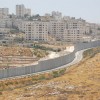
Israel Walls Itself In
As Israel continues to build walls and fences along virtually each of its borders, analysts say the country’s isolationist policies and unwillingness to deal with the Palestinians and other Arab neighbours through anything other than forceful means spells disaster.Netanyahu – Unlike Olmert – Refuses Explicit Iran Attack Threat
The perception that Israeli Prime Minister Benjamin Netanyahu is threatening to attack Iran’s nuclear facilities unless sanctions and diplomacy succeed in shutting them down has been the driving force in the Iran crisis.Will Austerity Prompt Nuclear Disarmament?
The changing international political order and a dramatic budgetary situation at home are forcing France to consider giving up the extremely expensive nuclear arsenal the country has maintained since the late 1950s.
To Aid Afghanistan, Offer Less Aid
It is customary to focus on the amount of money the international community offers Afghanistan: the higher the sum and the longer the commitment, the lower the risk of further destabilisation. And so the 16 billion dollars pledged by the donors for the next four years at the Tokyo conference earlier this month has been widely welcomed. But such aid may not be quite the virtue it seems.
Shipping Canal Threatens Culture, Ecology, Livelihoods
One hundred and fifty years ago, the British colonial administration in India proposed a shipping canal project that would allow cargo vessels, commercial liners and large ships to cut through the Gulf of Mannar Marine National Park in the Palk Straits between India and Sri Lanka, thereby slashing 424 nautical miles (about 780 kilometres) off the traditional shipping route around Sri Lanka to the Far East.SOUTH KOREA: Stuck in the 20th Century?
South Korea is at the cutting edge of global technology. It is one of the most wired countries, and its biggest cities have the fastest Internet connections in the world.« Previous Page — Next Page »





The Week with IPS

NEXT STOP - SDGs
Tracking global progress towards a sustainable world
Tracking global progress towards a sustainable world
