Languages
Sunday, November 8, 2026



News and Views from the Global South
Opinion
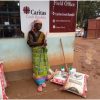
Biofortified Crop Project Reaches Refugees in Zambia
The Mutwales farm a small plot of land in the camp, growing primarily cassava and maize for food. They are also one of the 105 refugee farming families participating in an initiative during the 2019/2020 growing season to help them cultivate nutritious, vitamin A-biofortified orange maize, which was developed by the International Maize and Wheat Improvement Center (CIMMYT) in partnership with HarvestPlus.
Let’s Prevent Post-partum Depression and Provide Care to Those in Need
Recently, Nigerian feminist author Ukamaka Olisakwe spoke about her post-partum depression after giving birth in the city of Aba, southeast Nigeria. This follows her 2019 Longreads essay, in which she narrated painful details of her experience.
Lucky Trump Looking Smug
Meeting the President of the Republic of Korea in September 2019, President Donald J Trump bragged that the “US economy is the envy of the world”. Trump reiterated such claims in his State of the Union address in early February, hailing his own policies with typical humility.
UN Chief Should Lead by Example on Human Rights
United Nations Secretary-General Antonio Guterres has long needed to overhaul his approach to human rights. Hopefully his call to action announced in Geneva yesterday is the start of something new.
Ugandan Farmer Ends Food Insecurity for Family & Community
In Aboke, Uganda, a modest restaurant serves locals breakfast, lunch and dinner. Carol Agoa isn’t just the owner and cook, she also supplies all of the food for her restaurant.
SDGs Corporate Tracker to Monitor Progress of UN’s Development Agenda
This year marks just ten years ahead of the deadline for completing the UN Sustainable Development Goals (SDGs) by 2030. These universally supported targets were always ambitious in their scope – yet what is clearer now than ever before is that quicker progress is crucial in the decade to come.
Women Bear the Burden of India’s Water Crisis
Across cities and villages in India, an impending water crisis is at our doorsteps. India will face a water shortfall of almost 50 percent by 2030, if our water use continues its current pattern. Last year, Chennai and Bangalore showed us what water scarcity looks like; the statistics are no longer just numbers on paper, they have become our reality.
Generation Equality: Four Ways to Accelerate Progress
The global gender community will meet in New York in March to review progress on gender equality and women’s empowerment in the 25 years since the Beijing declaration. The theme for this year’s Commission on the Status of Women gathering is Generation Equality, emphasizing how the current generation must close the gender gap.
Fiscal Policies For Women’s Economic Empowerment
Making sure that opportunities to enter the workforce are fair and rewarding for women benefits everyone. Yet, the average female workforce participation rate across countries is still 20 percentage points lower than the male rate, largely because gender gaps in wages and access to opportunities, such as education, stubbornly persist.
How Nigeria’s Police used Telecom Surveillance to Lure & Arrest Journalists
As reporters for Nigeria’s Premium Times newspaper, Samuel Ogundipe and Azeezat Adedigba told CPJ they spoke often over the phone. They had no idea that their regular conversations about work and their personal lives were creating a record of their friendship.
Global Economy Still Slowing, Dangerously Vulnerable
In an annual ritual early in the year, most major economic organizations have released forecasts for the global economy in 2020. Incredibly, almost as a reminder of where financial power resides in this day and age, the International Monetary Fund (IMF) released its forecasts at the World Economic Forum’s 50th annual meeting in Davos.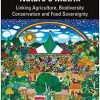
Biodiversity & Agriculture: Nature’s Matrix & Future of Conservation
When we were children, a long auto trip would require a stop every hour or so to clean the windshield of the insects that had been intercepted.
Coronavirus Epidemic Has Implications for Life Expectancy
As efforts to contain the Coronavirus epidemic enter a critical stage, it is important to remember that the costs cannot be measured purely in economic terms, as the measures taken will have implications for life expectancy across the entire nation.
Tackling Climate Change and Preserving the Water Body: A Bangladeshi Perspective
For any riverine country, the state of the water body around big cities and conditions of major rivers hold a leadership position in the overall climate effects and how the water body is protected and preserved impacts the entire economy and living standards of that country. Bangladesh is renowned for the geomorphic features that include massive rivers flowing throughout the country. Within the border of Bangladesh lie the bottom reaches of the Himalayan Range water sources that flow into the Bay of Bengal totaling the number of rivers by a count of 700. The length of river bodies is about 24,140 km. There are predominantly four major river systems: the Brahmaputra-Jamuna, the Ganges-Padma, the Surma-Meghna, and the Chittagong Region river system. The Brahmaputra is the 22nd longest (2,850 km) and the Ganges is the 30th longest (2,510 km) river in the world. (1) The river system works as a backbone for agriculture, communication, drinking water source, energy source, fishing and as the principal arteries of commercial transportation in Bangladesh. During the annual monsoon period between June and October, the rivers flow about 140,000 cubic meters per second and during the dry period, the numbers come down to 7000 cubic meters per second.
Why Trade in Services Matters for Development and Inclusiveness in Africa
The rise of the services economy around the world represents a profound transformation that offers significant opportunities for countries' sustainable development strategies.
The Hammer of Justice for Sexual Assault Victims Must Be Swift, Loud and Consistent
Every year Valentines Day is celebrated with great relish & celebration. People show their affection for another person or people by sending cards, flowers or chocolates with messages of love.
Why Paraguay Can Be a “Beacon State” for Forest Management
Imagine a forest that covered half of your entire country. A biodiverse forest which supports thousands of species from giant anteaters to armadillos to jaguars. A forest that is home to one the world’s last uncontacted tribes.1
Amplifying Voices of Climate Activists of Color
Recently, the Associated Press cropped out Ugandan climate change activist Vanessa Nakate from a photo at the World Economic Forum. The remaining activists in the photo, including Greta Thunberg, were all white.
Restoring Competition in ”Winner-took-All” Digital Platform Markets
Digital platforms are at the centre of the global economy and daily lives of consumers. A handful of these platforms have become dominant in specific markets without facing meaningful competition. They include Amazon as a marketplace, Facebook in social networking, Google in search engines and Apple and Google in application stores.
Internet Needs New Global Regulations Against Online Sexual Exploitation
Online sexual exploitation is a global epidemic that is increasing at an alarming rate.
Landmark Law Empowers Women Farmers
When Pakistan’s eastern Sindh province passed the ‘Sindh Women Agricultural Workers Bill’ on 20 December, giving women in agriculture, livestock, fisheries and other agro-based work the same rights and benefits enjoyed by workers in the industrial sector, it was a revolutionary step for the whole of South Asia.« Previous Page — Next Page »





The views expressed in these articles are those of the authors and do not necessarily represent the views of, and should not be attributed to, IPS-Inter Press Service

The Week with IPS

NEXT STOP - SDGs
Tracking global progress towards a sustainable world
Tracking global progress towards a sustainable world
