Languages
Friday, November 20, 2026



News and Views from the Global South
Health
HEALTH: Namibia Makes Strides in Paediatric HIV
While paediatric HIV remains a growing concern throughout Southern Africa, Namibian doctors have managed to put high numbers of babies on the life-saving antiretroviral (ARV) treatment with the help of an early infant diagnosis (EID) programme based on dry blood sampling.NICARAGUA: Therapeutic Abortion Ban a "Disgrace" Says Rights Group
"What happened to me shattered my dreams, my hopes – I wanted to be someone who worked outside the home but I spend all day at home looking after the baby...I can’t even sleep and I feel very unsafe, many of my days are a nightmare, it’s very hard to carry on and I feel very sad and very tired," said "M", who was raped at age 17 by a relative.RIGHTS-US: Landmark Disability Treaty Wins U.S. Approval
On Friday, U.S. President Barack Obama announced his intention to sign the U.N. Convention on the Rights of Persons with Disabilities (CRPD), in what will be the U.S.'s first signing of an international human rights treaty in over a decade.
ENVIRONMENT: Open Pit Disasters in Mexico and Peru
Mariana Rangel is filled with nostalgia as she gazes at the abandoned installations of the Dos Estrellas mine, where she worked as a secretary for six years. "Those were years of prosperity; this is all there is left," she tells IPS, pointing to what used to be the local hospital.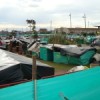
COLOMBIA: Displaced People Evicted From Protest Camp
Thousands of displaced Colombians living in a protest camp in a park in central Bogotá are the target of an eviction plan by the local authorities, who admit they are overwhelmed by the influx of people fleeing violence in the countryside.
HEALTH-AFRICA: Phoney Choice Between Life and Death
Failure to sustain funding for HIV/AIDS treatment programmes could lead to a rising number of deaths, particularly in Africa.HEALTH-AFRICA: Where To Find A Million New Nurses?
If developing countries want to succeed in improving their health systems, they urgently need to decentralise them and shift tasks from doctors to nurses and community health workers, said experts at the Fifth International AIDS Society (IAS) Conference on HIV Pathogenesis, Treatment and Prevention in Cape Town.
Q&A: Sanitation No Longer a Dirty Word in India
In India, many moons ago, nobody dared talk about toilets - a subject that was taboo, particularly at mealtime.EGYPT: Selling Kidneys to Pay the Bills
Karim borrowed money to expand his bakery. When the money ran out, and facing the prospect of imprisonment if unable to repay his debts, the 36-year- old Egyptian baker sold his kidney.
HEALTH-AFRICA: Maintain Funding for HIV/AIDS Prevention
Health experts and scientists have accused the world's wealthiest countries of abandoning the goal of universal access to HIV prevention, care and treatment by 2010.
HEALTH-NIGERIA: Business Booming for Traditional Bone-Setters
Dressed in a simple buba (Nigerian wear) and black trousers on this particular morning, Lawal Olukole receives patients in a six by six foot consulting room made of plywood.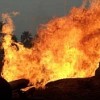
ENVIRONMENT-NIGERIA: Playing With Fire
Nigeria's gas flare-out date has once again been extended - this time to 2011. The decision follows 25 years of political procrastination by the federal government and illegal behaviour on the part of major oil multinationals engaged in flaring associated gas (AG), the byproduct of oil production in the Niger Delta.HEALTH-THAILAND: As H1N1 Spreads, Thais Take Cover Behind Surgical Masks
Pattadol Piboonsak was gripped with fear last week when he fell ill with a high fever, displaying the usual symptoms of influenza.MIDEAST: Malnutrition Begins to Bite
"No one is buying meat these days," says Yousef Al-Jerjowi, sitting next to his butcher shop devoid of customers.MEXICO: Int’l AIDS Funds Necessary but Not Sufficient
For the first time, Mexico is eligible for a grant from the Global Fund to Fight AIDS, Tuberculosis and Malaria. But even if its application is successful, resources for HIV/AIDS prevention among high-risk sectors of the population will fall short.SOUTH AFRICA: Fight Sexism to Help Young Mothers
"My mother was surprised that my breasts were getting bigger, and told me to go to the clinic to take a pregnancy test. The nurses told me I was pregnant and so I cried. I cried because I thought I was too young to have a baby and I thought I wouldn't manage."
HEALTH-MADAGASCAR: Eight Women Die During Delivery Each Day
Eight Malagasy women die per day while giving birth, either due to complications during the pregancny or during delivery, according to a recently-published national Demographic and Health Survey (DHS).
Q&A: Teens Wrongly Excluded From Family Planning
Nafissatou Diop has worked for decades on issues of reproductive health, HIV/AIDS and development in West Africa, including designing and implementing many studies and programmes.HEALTH-ARGENTINA: H1N1 Flu Puts Cheek Kiss Greeting on Hold
These days, people in the Argentine capital are largely avoiding the traditional greeting: a peck on the cheek. Doctor's orders, amidst the fast spread of the H1N1 influenza virus, otherwise known as swine flu.
FILM: Shattering the Myth of “Agrarian America”
"How is it that you can buy a 99-cent cheeseburger but not even a head of broccoli?" wonders Michael Pollan, author and co-narrator of the new documentary "Food, Inc.".HEALTH: Private Sector Boosts Public Toilets in Poorer Nations
The United Nations is disappointed that most governments in the developing world have made relatively little progress in providing basic sanitation facilities to nearly 2.5 billion people who still have no access to toilets.« Previous Page — Next Page »


 Bangladesh: Sarid, born one month early, receives specialized newborn care and grows stronger every day. Credit: UNICEF/UNI944397/Mojumder
Since the onset of the 2000s, global life expectancy has seen an overall rise, attributed to significant technological and scientific innovations in healthcare. Due to an increased understanding of different conditions as well as a rise in cooperation among healthcare experts around the world, there have been major strides made in ensuring that as few people die from chronic illnesses as possible. Despite the belief that healthcare is a fundamental human right, people from low- or middle-class backgrounds, marginalized groups, and underdeveloped countries have far more limited access to basic healthcare services.
The COVID-19 pandemic showed how marginalized communities are disproportionately affected by health crises, proving that we have much work to do in ensuring that no one dies of terminal conditions. While the global response to the coronavirus saw significant strides in immunization and vaccine development, the global outbreak of mpox in 2022 and its upsurge in parts of Africa in 2024 must remind us to remain vigilant.
Other major disease outbreaks in recent years have been linked to the destruction of infrastructure during warfare. Notably, in 2024, the Gaza Strip witnessed a return of the poliovirus since its eradication in the region 25 years ago. Israel’s blockade on Gaza has resulted in the collapse of the region’s sewage plants and desalination plants, and also destroyed healthcare capacities. The UN stated that this lack of clean water and sanitation would lead to an outbreak of cholera and other deadly infectious diseases. The 2026 OCHA Humanitarian Situation Report confirmed that the over two years of conflict in Gaza has produced a catastrophic health emergency, with millions remaining dependent on relief aid amid tight restrictions and no functioning public health system.
IPS is committed to providing full and comprehensive coverage on healthcare challenges around the world. IPS seeks to address the multifaceted causes of such challenges, including unprecedented pandemics, conflict-driven disease outbreaks, as well as socioeconomic barriers to equal healthcare access. IPS is also dedicated to reporting on innovations in the healthcare industry.

The Week with IPS

NEXT STOP - SDGs
Tracking global progress towards a sustainable world
Tracking global progress towards a sustainable world
