Languages
Friday, November 6, 2026



News and Views from the Global South
Poverty & SDGs

Chilean Schools Recycle Greywater to Combat Drought
Children from the neighboring municipalities of Ovalle and Río Hurtado in northern Chile are harvesting rain and recycling greywater in their schools to irrigate fruit trees and vegetable gardens, in an initiative aimed at combating the shortage of water in this semi-arid region.
Indigenous Communities Head Towards Energy Self-Sufficiency in Guatemala
 Because the government has never provided them with electricity, indigenous communities in the mountains of northwest Guatemala had no choice but to generate their own energy.

Are We Fighting a Losing Battle in the War Against Drugs?
How effective is the global war on drugs? The latest statistics released by the UN Office on Drugs and Crime (UNODC) are staggering: 35 million people across the globe currently have a substance use disorder, and as of 2017, 585,000 people have died worldwide as a result of drug use.
Paraguay Moves Towards Sustainable Commodities
The statistics are alarming. By 2050, the world will require an estimated 60 percent growth in agricultural production to meet the food demand of a population of close to 9 billion people.
Could the Election of Qu Dongyu as FAO´s General-Director be a Turning-point for Sustainable Agricultural Development?
Agriculture is the bedrock of sedentary human civilization, without it we would have no governments or nations. It was food surplus generated by agriculture that enabled people to live in cities and form regimes able to organize food production in such a manner that some community members could engage in other activities than direct food production and thus give rise to the ideologies, techniques and goods which now constitute and govern our existence.
Kenya’s March Towards Demographic Dividend with Investments in Health Sector Partnering with The Netherlands
Demographic dividend is a term which is increasingly preoccupying discussions among development economists and the donor community in general in Kenya. The term refers to countries with the greatest demographic opportunity for development and those that are ushering in a period in which the working-age population has good health, quality education, decent employment and a lower proportion of young dependents. Smaller numbers of children per household generally lead to larger investments per child, more freedom for women to enter the formal workforce and more household savings for old age. When this happens, the national economic payoff can be substantial, and this is the demographic dividend.
Is there a Co-Relation Between Human Development & SDGs?
“People are the real wealth of nations,” began the first Human Development Report (HDR). That 1990 report marked a turning point in the global development debate.
India’s Criminal Justice System is Failing Victims of Sexual Violence
Early in 2018, India was shaken by the horrific details surrounding the abduction, gang rape, and murder of an 8-year-old girl in Kathua, a district in the north Indian state of Jammu and Kashmir.
“Unimaginable Horrors” in Libya’s Migrant Detention Centers
For over 10,000 migrants fleeing to Libya from war and violence, their fate often comes down to the mercy of human traffickers or the dark unknown awaiting in detention centers.
Fighting Food Insecurity in Africa – Lessons from the United States
The U.S Agency for International Development (USAID) Administrator Mark Green recently concluded a one-week visit to USAID-funded programs at several African countries, including the Democratic Republic of Congo, Rwanda, Kenya and Mozambique. His goal was to promote sustainable paths to self-reliance, including in the context of food security programs.
Women’s Rights are Key in Slowing Down Population
The increase in world population by 2 billion in the next 30 years will present a serious global challenge especially if we do not find new paradigms of development thought and renewed global political leadership.
Is Inclusive Growth an Oxymoron?
After participating in two events on inequality at the Spring Meetings – Making Growth Work for the Poor and Income Inequality Matters: How to Ensure Economic Growth Benefits the Many and Not the Few, I received a surprising number of emails asking whether my remarks on the importance of addressing rising inequality meant I had abandoned growth as the main priority for developing countries.
World’s Poorest Nations Weighed Down by Fastest Growing Populations
With a new report projecting a rise in population, specifically in Asia and Africa, the United Nations has warned that continued rapid population growth presents enormous challenges for sustainable development in the world’s 134 developing nations.
Patriotism versus Hope: Eritreans Wrestle with Leaving Home or Remaining
Most media narratives about Eritrea suggest an endless stream of young people fleeing the country, who couldn’t wait to escape. But the reality is far different and more nuanced—both when it comes to those who have left, and those who chose to remain.
Poor Outlook for HIV-positive Children in Pakistan
Over 785 people have been diagnosed with HIV in Larkana, Pakistan. 82% of those individuals are children, and only half are receiving the treatment they need.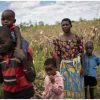
SDGs, Currently Off-Track, Need Bold Decisive Action
It has been four years since governments agreed on the most ambitious set of international commitments to fight poverty and inequality to date. The Sustainable Development Goals (SDGs), otherwise known as the Global Goals, are ‘a universal call to action to end poverty, protect the planet and ensure that all people enjoy peace and prosperity.’ The goals ambitiously aim to “Leave No One Behind.”
The Immense Cost 200 Million Migrant Workers Pay to Rescue their Families
Straight to the point: while right and far-right politicians keep marketing their image with intensive campaigns of hatred, discrimination and stigmatisation against migrants, 200 million migrant workers worldwide will sacrifice over half a trillion dollars from their hard-earned money, to rescue 800 million members of their impoverished families. And that’s only this year 2019.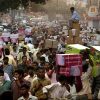
Rising Population Trends Threaten UN’s Development Goals in Asia & Africa
The world’s developing nations, currently fighting an uphill battle in their attempts to implement the UN’s Sustainable Development Goals (SDGs), are facing another stark demographic reality: a rise in world population by 2.0 billion people in the next 30 years: from 7.7 billion to 9.7 billion in 2050.
The Importance of the Upcoming FAO Election
With each passing day, the world gets just a little smaller as the internet and cell phones bring our communities together, reveal our shared challenges, and lay bare our failures. As global citizens, we are all concerned about the growing number of hungry people around the world and the threats to food security. The simple fact is that more than 800 million people go hungry every day, and if that number shocks you, know that experts predict the number to grow significantly over the next ten years.
UN’s Development Goals Remain Largely Elusive
The United Nations, in a new report to be released next month, has warned “there is no escaping the fact that the global landscape for the implementation of the 17 Sustainable Development Goals (SDGs) has generally deteriorated since 2015, hindering the efforts of governments and other partners”
‘What it Takes to Feed 7.5 Billion People’
Events marking the 25th anniversary of the Convention to Combat Desertification (UNCCD) and the World Day to Combat Desertification opened here Monday, Jun. 17 with a call for urgent action to protect and restore degrading land.« Previous Page — Next Page »





 Romani people in Cairo, Egypt, forage through trash. Credit: UN Photo/Armineh Johannes
In 2015, the United Nations adopted the Sustainable Development Goals (SDGs) in an effort to promote “peace and prosperity for people and the planet.” To achieve that goal, it is essential to provide equal opportunities and access to basic services to all people. The 2025 UN SDG Report found that 35% of the 169 SDG targets are on track or making moderate progress, while 18% have reversed compared to the 2025 baseline. One in ten people still live in extreme poverty, one in eleven experience food insecurity, and over 1.1 billion people live in slums without access to clean water and sanitation. It is imperative to acknowledge the societal, technological, economic, and political issues that sustain poverty in countries around the world. Eradicating poverty will require significant frameworks in policy and governance on a national and international scale to ensure that all people will have equal access to basic services and economic opportunities by 2030. Furthermore, a dramatic reduction of United States foreign aid in 2025, including the termination of 83% of USAID programmes, threatens to erode years of fragile development gains.
Throughout the world, violent conflict and natural disasters also contribute to extreme poverty. The complete destruction of infrastructure and blockage of aid has significantly impoverished Palestine since October 7th. The destructive impact of Hurricane Maria in Puerto Rico left $91 billion in damage. An inadequate US government response also revealed significant and enduring questions within the issue of mitigating poverty: how do we rebuild infrastructure after its destruction? How do we restimulate economic development and bring in financial aid after disasters? Similar questions have been raised in the realm of regional cooperation, as devastating floods have wrecked hundreds of thousands of homes across multiple Southeast Asian nations in the past few years. Furthermore, the COVID-19 pandemic has greatly exacerbated the global poverty crisis, particularly in developing countries, setting back the United Nations goal of eradicating poverty by 2030.
IPS is committed to providing comprehensive features that focus on the persisting environmental, sociopolitical, and systemic issues that sustain poverty, and the steps taken worldwide towards poverty eradication.

The Week with IPS

NEXT STOP - SDGs
Tracking global progress towards a sustainable world
Tracking global progress towards a sustainable world

