Languages
Friday, November 13, 2026



News and Views from the Global South
Editors' Choice
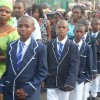
Ebola Outbreak Affects Key Development Areas in Sierra Leone
The outbreak of the deadly Ebola epidemic in Sierra Leone has badly affected the West African country’s move towards meeting key development goals.
Fighting the Islamic State On the Air
There is daily news broadcasting at 9 in the evening and a live programme every Tuesday, Thursday and Saturday. For the time being, that is what Mosul´s only TV channel has to offer from its headquarters in Erbil, the capital of Iraqi Kurdistan.
Pushing the Voice of Syrian Women For a New Future
For most Syrian women, the war has been a disaster. For some, it has also been liberating.
Women’s Safety Schemes Go Mobile in India
It was 9:45 pm when 23-year-old Manira Chaudhury, a final-year Master’s student in New Delhi, who was traveling home in a rickshaw, pressed a button on her smart phone that sent out emergency alerts to two of her closest friends.
War-ravaged South Sudan Struggles to Contain AIDS
Dressed in a flowered African print kitenge and a blue head scarf, Sabur Samson, 27, sits pensively at the HIV centre at Maridi Civil Hospital in South Sudan’s Western Equatoria state.
High Expectations At the World Parks Congress
 Conserving the world's most valuable natural resources is the focus of the sixth World Parks Congress 2014, taking place Sydney, Australia. The congress, which takes place once every 10 years, is convened by the International Union for Conservation of Nature (IUCN).

How a Small Tribe Turned Tragedy into Opportunity
When the Asian tsunami washed over several Indian Ocean Rim countries on Boxing Day 2004, it left a trail of destruction in its wake, including a death toll that touched 230,000.
Legal Vacuum Fuels Conflicts Over Water in El Salvador
Rural communities and social organisations in El Salvador agree that the lack of specific laws is one of the main hurdles to resolving disputes over water in the country.
How SADC is Fighting Wildlife Crime
"We are underpaid, have no guns and in most instances are outnumbered by the poachers," says Stain Phiri, a ranger at Vwaza Marsh Wildlife Reserve — a 986 km reserve said to have the most abundant and a variety of wildlife in Malawi — which also happens to be one of the country’s biggest game parks under siege by poachers.
U.N. Chief Eyes Upcoming Summits to Resolve Development Crisis
The continued widespread economic recession - aggravated by the recent Ebola outbreak in West Africa - is threatening to undermine the U.N.'s highly-touted post-2015 development agenda.
Kenya on the Right Economic Path But Challenges Abound
Each year on Dec. 10, Lucy Mwende and her two children hop aboard a night bus and travel to the white sandy beaches and warm waters of Kenya’s Indian Ocean, some 441 km from the capital, Nairobi.
A Fair Climate Treaty or None at All, Jamaica Warns
As the clock counts down to the last major climate change meeting of the year, before countries must agree on a definitive new treaty in 2015, a senior United Nations official says members of the Alliance of Small Island Developing States (AOSIS) “need to be innovative and think outside the box” if they hope to make progress on key issues.
Filipinos Take to the Streets One Year After Typhoon Haiyan
People covered their bodies with mud to protest against government ineptitude and abandonment; others lighted paper lanterns and candles and released white doves and balloons to remember the dead, offer thanks and pray for more strength to move on; while many trooped to a vast grave site with white crosses to lay flowers for those who died, and to cry one more time.
Trapped Populations – Hostages of Climate Change
Climate change is projected by many scientists to bring with it a range of calamities – from widespread floods, to prolonged heatwaves and slowly but relentlessly rising seas – taking the heaviest toll on those already most vulnerable.
OPINION: Bringing More International Pressure to Bear on Wildlife Crime
A surge in wildlife crime is fuelling criminal syndicates, perpetuating terrorism, and resulting in the loss of major revenues from tourism and industries dependent on iconic species while also endangering the livelihoods of the rural poor. But this surge in wildlife crime is not only threatening iconic species, which include elephants, rhinos and tigers, but also lesser-known animals that are also on the brink of extinction.
Disciples of John the Baptist also flee ISIS
"Going back home? That would be suicide. The Islamists would cut our throats straight away," says Khalil Hafif Ismam. The fear of this Mandaean refugee sums up that of one of the oldest yet most decimated communities in Mesopotamia.
More Economic Equality Brings Greater Political Polarisation in Brazil
“If I had to choose today I would stay back home, I wouldn’t come to look for work here,” said Josefa Gomes, who 30 years ago moved from Serra Redonda, a small town in Brazil’s semiarid northeast, to the city of Rio de Janeiro, 2,400 km away.
The Young, Female Face of HIV in East and Southern Africa
Experts are raising alarm that years of HIV interventions throughout Africa have failed to stop infection among young women 15 to 24 years old.
More Women Managers in Argentina, But They’re Still Doing the Chores
In Argentina there are more and more women in management-level positions in the public and private sectors, although they still have to forge their way amidst gender stereotypes, while shouldering the double burden of home and work responsibilities.
Women Challenged by Rising Extremism and Militarism
Ongoing military conflicts in the strife-torn Middle East - specifically in Iraq, Syria, Libya and Palestine - have resulted in widespread civilian casualties, impacting heavily on the most vulnerable in besieged communities: women and children.
Choosing Between Death and Death in Pakistan
Residents of the Khyber Agency, one of seven administrative districts that comprise northern Pakistan’s Federally Administered Tribal Areas (FATA), are in the worst possible predicament: either course of action they choose now, they say, could result in death.« Previous Page — Next Page »


The Week with IPS

NEXT STOP - SDGs
Tracking global progress towards a sustainable world
Tracking global progress towards a sustainable world
