Languages
Tuesday, October 13, 2026



News and Views from the Global South
Editors' Choice

Award Winning Women Goat Herders in Chile Confront Climate Change
Women goat herders in the municipality of Ovalle, in northern Chile, are confronting climate change by defending their heritage through improvements in the quality and variety of their products, which has led some to win international awards for their cheeses.
International Day of Forests
‘Now is the time for decisive, collaborative action’
The Forest Declaration Assessment Partners have called for urgent reforms to the international financial system to halt deforestation and protect biodiversity. It has also pitched for redirecting the public subsidies to mitigate the direct and indirect environmental risks from both public and private finance. 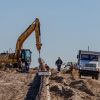
Argentina is Experiencing an Oil Boom, with Bright Spots and Shadows
For about three years now, Argentines have been hearing almost every month that oil production is breaking new records. Looking ahead, the country is projected to become a major global supplier of what remains the most sought-after energy source.
Epilepsy Patients in Africa Fight Stigma and Neglect
When Angela Asemota’s son began having seizures at six years old in 1996, people gossiped that he was possessed by evil spirits, leading her to seek healing from native healers and religious clerics. He underwent several traditional rituals and drank various concoctions, but the seizures persisted. It was not until his fourth year in secondary school in 2004 that she took him to a hospital, where he was diagnosed with epilepsy and began taking medication.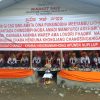
When Ethnic Violence Turns Women Against Women
For Kikim*, it was the ides of May, instead of March, that was, in one sense, her undoing. She was looking forward to welcoming her baby, her first. But life took an unexpected turn, and things changed within a split second.
Papua New Guinea: Years of Environmental Clean Up Ahead Following New Report on Abandoned Bougainville Mine
Local communities are finally witnessing progress in their mission for justice, 36 years after the Panguna copper mine in Papua New Guinea’s Autonomous Region of Bougainville became the centre of landowner grievances about environmental damage.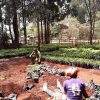
Activists Fear Kenya Forests Threatened Due to Government Development
After the controversial lifting of a six-year moratorium or temporary ban on logging activities in public and community forests by the Kenyan government in July 2023, trucks ferrying tree logs are frequently seen on major highways in total disregard of environmental concerns.
Trashing Jewish Values Risks Israel’s Survival as We Know It
77 torturous years of the Israeli-Palestinian conflict, punctuated by intense violence and wars, successive Netanyahu-led governments have shattered Jewish values to the core—values that have sustained and preserved Jewish lives for centuries and provided the moral foundation on which Israel was built.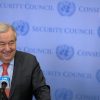
United Nations’ New Efficiency Initiative is Aiming for Structural Changes to Operations
The United Nations chief announced on Wednesday (March 12) a new initiative that aims to assess areas of efficiency and improvement for the international organization to expand its efforts and recognize the need “for even greater urgency and ambition.”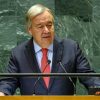
UN Chief Launches New Initiative as World Faces Growing Challenges
Our world is facing challenges on every front. Since the United Nations reflects that world in all its aspects, we feel it in all our work.
Gaza Counts Costs of Catastrophic Impacts of Israeli Bombardment on Healthcare
With enough steel and concrete, the hospitals that have been smashed to bits in Gaza can be rebuilt. But a construction plan paired with an army of bulldozers will not be enough to reconstruct the entirety of Gaza's health care system, which, after many months of war, has been decimated by the Israeli military forces.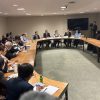
Nuclear Testing in Kazakhstan Documentary Showcases Urgent Need for Nuclear Abolition
The documentary I Want to Live On: The Untold Stories of the Polygon exposes the lifelong impacts of nuclear testing in Kazakhstan’s Semey region. As a third-generation survivor born in Semey, international relations legal expert based in New York, Togzhan Yessenbayeva said she was aware of the “profound impact” that nuclear testing has had on her community and environment. She remarked that the tests in Semipalatinsk have left a “legacy of challenges” that people must deal with to this day.
Ukrainians Stress That a Peace Agreement Must Include Justice
After three years of bloodshed, extraordinary courage and immense sacrifices in resisting Russia’s invasion, the people of Ukraine are in limbo as peace negotiations to end the war, instigated by United States President Donald Trump, remain unpredictable.
A Cash Crisis Forces UN to Re-Figure its Budget and Freeze Staff Hiring
Faced with an impending cash crisis primarily due to non-payment of dues by the US and over 100 other member states-- along with threats of a US withdrawal from the world body-- there were widespread rumors the United Nations was re-costing and reducing its approved budget for 2025 while deciding to freeze hiring new staffers.
International Women’s Day, 2025
Rule Breakers: The Compelling True Story of Afghan Girls Who Risked All to Learn
Like the Afghan robotics team, Education Cannot Wait (ECW), the global fund for education in emergencies and protracted crises in the United Nations, is breaking the 'rules' and continuing to educate young women in that country despite an edict from the Taliban denying girls a secondary school education.

International Women’s Day, 2025
UN: Women’s Rights Face ‘Unprecedented’ Pushbacks
Girls and women worldwide are facing growing threats to their security and rights, from threats to their education access to severe poverty and multiple forms of violence. In 2024, nearly one in four governments worldwide reported a backlash to women’s rights, as a new report from UN Women reveals. 
International Women’s Day, 2025
The Quest for a Female UN Secretary-General: Assessing the Probability
The United Nations has chosen “For ALL Women and Girls: Rights. Equality. Empowerment.” as the theme for International Women’s Day on March 8, 2025. This theme emphasizes the importance of equal rights, power, and opportunities for all women and girls, urging action to create a feminist future where no one is left behind.

International Women’s Day, 2025
In Zanzibar, Women Turn the Tide with Sponge Farming
In the early morning, as the tide pulls away, Zulfa Abdallah ties her scarf tightly around her head. She adjusts her goggles, places a snorkel across her forehead, and wades into the chest-deep waters off Jambiani village in Zanzibar. The Indian Ocean is her livelihood now, its waves offering a lifeline to women like her who confront challenges of poverty and climate change. 
International Women’s Day, 2025
It’s time for a Feminist Woman Secretary General at the UN
In 2025, the United Nations will celebrate 80 years of shaping global policies, fostering peace, and driving international development. Yet, in those eight decades, not a single woman has held the position of Secretary-General.

Anti-LGBTQI Legislation in Europe Curbs Speech Freedom, Democracy—Report
LGBTQI communities across Europe and Central Asia are being ‘weaponized’ by governments as part of a wider attack on fundamental human rights and freedoms, rights activists have warned.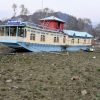
Not Seen in Living Memory: Kashmir’s Rivers Run Dry, Snow Disappears, and Hope Dissipates
The picturesque Kashmir Valley is battling nature’s fury. This time of year, its majestic mountains would typically be capped with thick snow, and its emerald streams would gush with fresh waters. However, none of these scenes are visible this year.« Previous Page — Next Page »





The Week with IPS

NEXT STOP - SDGs
Tracking global progress towards a sustainable world
Tracking global progress towards a sustainable world
