Languages
Friday, November 6, 2026



News and Views from the Global South
Editors' Choice
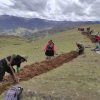
Rural Women in Peru Seed Water Today to Harvest It Tomorrow
"When I was a little girl we didn't suffer from water shortages like we do now. Today we are experiencing more droughts, our water sources are drying up and we cannot sit idly by," Kely Quispe, a small farmer from the community of Huasao, located half an hour from Cuzco, the capital of Peru's ancient Inca empire, told IPS.
Green Gas: Energy as a By-Product of Sugarcane in Brazil
First came sugar. For four centuries, it was the main sugarcane product in Brazil. But since the 1970s sugarcane has grown and diversified as a source of energy: ethanol, electricity and biogas.
Trafficked and Trapped in Libya: A Nigerian Woman’s Story
 Miriam* hoped for a better life in Europe. Instead, her journey ended in Libya, where, double-crossed by traffickers she was raped and abused. She has returned to Nigeria and shared her experiences with Sam Olukoya.

Energy Inequality in Latin America Exacerbated by Pandemic, High Prices
The effects of the covid-19 pandemic and high energy prices have had an impact on the consumption of polluting fuels in Latin America and the Caribbean, exacerbating energy poverty in the region.
When the Glass House by the East River Exploded in Laughter….
Created in 1945 following the devastation caused by World War II, the United Nations was mandated with the task of maintaining international peace and security as one of its primary political missions. But the seriousness of its far-reaching mandate has been tempered by occasional moments of levity which have rocked the “glass house by the east river” with laughter -- as recounted in a newly-released book on the United Nations titled “No Comment –and Don’t Quote me on That”.
Homeless Camps, a Reflection of Growing Inequality in Chile
Camps made up of thousands of tents and shacks have mushroomed in Chile due to the failure of housing policies and official subsidies for the sector, aggravated by the rise in poverty, the covid-19 pandemic and the massive influx of immigrants.
Noorjehan Niaz and Zakia Soman: Bonded to Change the Trajectory of Muslim Women in India
Discriminated in society and concerned about the discrimination of women in their homes, the two women who co-founded the Bhartiya Muslim Mahila Andolan (BMMA) started the movement to further Muslim women’s leadership and help them reclaim their rights.
Q&A: Femicides, Domestic Violence and Online Violence Have Been Exacerbated
"The level of injustice in the world cannot go on like this…I am not pessimistic about the future," said Gladys Acosta, president of the CEDAW Committee, in an interview with IPS in the Peruvian capital.
A Call to End the Cycle of Discrimination and Exclusion of Iraqi Women
As a feminist activist and defender of women’s rights in Iraq, I would like to share with you my growing concerns about the assassinations, kidnappings, assaults, threats of assassination against and defamation of feminist activists and human rights defenders, which they have faced especially during the popular protests in October 2019–2020, all of which have occurred with impunity.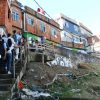
Climate Crisis Exacerbates Urban Inequality in Latin America
The Brazilian megalopolis of São Paulo recorded 932 flooded premises on Feb. 10, 2020. The Mexican city of Tula de Allende was under water for 48 hours in September 2021. In Lima it almost never rains, but the rivers in the Peruvian capital overflowed in 2017 and left several outlying municipalities covered with mud.
Poor Communities on the Salvadoran Coast Face Constant Threat of Eviction
Small farmer Francisco Martínez pushed his son’s wheelchair to another part of the courtyard of their house, located in a small coastal community in El Salvador, before saying sadly: "It would be a great injustice if they kicked us out of here."
Zero-Leprosy in Pandemic: Experts, Advocates Discuss New Strategies
As 2021 nears its end, public health systems worldwide remain severely strained by COVID 19, which is showing no sign of ending. But even as countries battle to control the deadly pandemic, they must also maintain the progress made against other diseases, including leprosy, global leprosy experts and advocates have urged.
Act to Save Children Living Precarious Lives in Cameroon’s Forgotten and Neglected Conflict
Education is under attack in Cameroon. As one of the most complex humanitarian crises in the world unfolds, Education Cannot Wait’s director Yasmine Sherif and the Secretary-General of the Norwegian Refugee Council, Jan Egeland, say the children are pawns for grown men in a political conflict.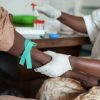
Inequality is Set to Kill Millions – “We Have to Fight it Together.”
This week I called out to the world to warn them that inequalities are making us all unsafe. I noted starkly our new analysis that we face millions of additional AIDS deaths – 7.7 million in the next decade alone – as well continued devastation from pandemics, unless leaders address the inequalities which drive them. We have to treat this threat as an emergency, as a red alert.
Growing Amazon Deforestation a Grave Threat to Global Climate
For three weeks, the Brazilian government concealed the fact that deforestation in Brazil’s Amazon rainforest increased by nearly 22 percent last year, accentuating a trend that threatens to derail efforts to curb global warming.
No Vaccine for the Pandemic of Violence Against Women in Latin America
Despite significant legal advances in Latin American countries to address gender-based violence, it continues to be a serious challenge, especially in a context of social crisis aggravated by the covid-19 pandemic, which hits women especially hard.
Glasgow Summit Ends Amidst Climate of Disappointment
Developing countries will surely remember the Glasgow climate summit, the most important since 2015, as a fiasco that left them as an afterthought. That was the prevailing sentiment among delegates from the developing South during the closing ceremony on the night of Saturday Nov. 13, one day after the scheduled end of the conference.
Biofuels, the World’s Energy Past and Future
The number of victims of serious burns, some fatal, has increased in Brazil. Without money to buy cooking gas, the price of which rose 30 percent this year, many poor families resort to ethanol and people are injured in household accidents.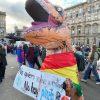
Social Movement Voices Fall on Deaf Ears of Governments at COP26
One element that runs through all social movement climate summits is their rejection of the official meeting of the United Nations Framework Convention on Climate Change (UNFCCC) and the low ambition of its outcomes - and the treaty's 26th Conference of the Parties (COP26) was no exception.
Indigenous Peoples Want to Move Towards Clean Energy Sovereignty
In the community of Bella Bella on Turtle Island in the western Canadian province of British Columbia, the indigenous Heiltsuk people capture heat from the air through devices in 40 percent of their homes, in a plan aimed at sustainable energy sovereignty.
COP26: Climate Justice Begins with the Human Right to Water
As the UN Climate Change Conference (COP26) is swiftly moving to its conclusion on Friday, climate justice could not be more urgent or timely.« Previous Page — Next Page »





The Week with IPS

NEXT STOP - SDGs
Tracking global progress towards a sustainable world
Tracking global progress towards a sustainable world
