
Tuesday, October 27, 2026



News and Views from the Global South
Combating Desertification and Drought

Insurance: A Valuable Incentive for Small Farmers’ Climate Resilience
Frequent extreme weather and climate shifts pose a challenge to already vulnerable groups such as smallholder farmers in the developing world. Between 2004 and 2014, farmers are said to have endured the brunt of the 100-billion-dollar cost of climate-related disasters.
Any Way to Help Slow Down Climate Change… Individually?
 It is no secret that the biggest responsible for climate change is greed. The greed of the world’s largest private corporations, which blindly seek unlimited high financial benefits. And the greed of those politicians who are also blindly keen about holding their temporary power at any cost, thus not daring to challenge big business. Ordinary people can meanwhile help slow down such a hellish race.

SLIDESHOW: When Women Have Land Rights, the Tide Begins to Turn
 In Meghalaya, India’s northeastern biodiversity hotspot, all three major tribes are matrilineal. Children take the mother’s family name, while daughters inherit the family lands.
Europe Stands by Caribbean on Climate Funding
A senior European Union (EU) official in the Caribbean said Europe is ready to continue the global leadership on the fight against climate change, including helping the poor and vulnerable countries in the region.
The World Is Burning
Record high temperatures are gripping much of the globe and more hot weather are to come. This implies more drought, more food insecurity, more famine and more massive human displacements.
Children Now More Than Half of the 65 Million Displaced
Around 20 people are newly displaced every minute of the day, according to a new report. In its annual Global Trends report, the UN’s refugee agency UNHCR has recorded unprecedented and concerning levels of displacement around the world.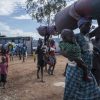
New Inhumane Record: One Person Displaced Every Three Second
Nearly 66 million people were forcibly displaced from their homes last year, the United Nation refugee agency has reported.
Africa: Drought and Jobless, Hopeless Youth, Fertile Grounds for Extremism
Ignoring the plight of jobless young people in sub-Saharan Africa is a recipe for political instability and global insecurity, warned a high-level symposium of Africa’s interior, environment and foreign affairs ministers in Ouagadougou, Burkina Faso.
Latin America’s Rural Exodus Undermines Food Security
In Latin America and the Caribbean, which account for 12 per cent of the planet’s arable land, and one-third of its fresh water reserves, a number of factors contribute to soil degradation and to a rural exodus that compromises food security in a not-so-unlikely future.
Africa Could Help Feed the World – If Its Fertile Land Doesn’t Vanish
The 23rd World Day to Combat Desertification was celebrated in Burkina Faso’s capital of Ouagadougou on June 15 with a call to create two million jobs and restore 10 million hectares of degraded land.
BRICS to Lead World’s Efforts to Eradicate Hunger, Poverty by 2030
With the clock ticking toward the 2030 deadline for meeting the international goals to eradicate hunger and poverty, five of the world's most important emerging economies are well positioned to take a leading role in helping to achieve these objectives, according to the United Nations.
IFAD’s President Houngbo Calls for Investment in Climate-Smart Agriculture for Poverty-Free Future
Implementing climate-smart agriculture is critical to reduce hunger and poverty, according to International Fund for Agricultural Development’s (IFAD) new president Gilbert Houngbo.
Drought Pushes 1 in 3 Somalis to a Hunger Knife-Edge
Another famine in former European colonies in Africa and another time in its Eastern region, with Ethiopia and Somalia among the major victims of drought and made-made climate disasters mainly caused by US and European multinational business.
The High Price of Desertification: 23 Hectares of Land a Minute
Urban farmer Margaret Gauti Mpofu would do anything to protect the productivity of her land. Healthy soil means she is assured of harvest and enough food and income to look after her family.
Global Coalition Calls for Withdrawal of SDGs Progress Report
A report on the Sustainable Development Goals (SDGs) fails to capture the the true picture of water challenges and the UN must withdraw it, said a global civil society coalition.
VIDEO: World Day to Combat Desertification
Today’s world is facing an unprecedented level of human mobility and migration is high on the political agenda all over the world. 
Our Land. Our Home. Our Future
We all have dreams. For most of us, those dreams are often quite simple. They are common to individuals and communities all around the world. People just want a place to settle down and to plan for a future where their families don’t just survive but thrive. For far too many people in far too many places, such simple dreams are disappearing into thin air.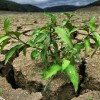
Mideast: Drought to Turn People into Eternal Migrants, Prey to Extremism?
Worldwide, land degradation, severe droughts and advancing desertification are set to force populations to flee their homes and migrate. In the specific case of the Middle East and North of Africa (MENA), such an obliged choice implies the additional risk to turn peoples into easy prey to extremist, terrorist groups.
When Women Have Land Rights, the Tide Begins to Turn
In Meghalaya, India’s northeastern biodiversity hotspot, all three major tribes are matrilineal. Children take the mother’s family name, while daughters inherit the family lands.
The Relentless March of Drought – That ‘Horseman of the Apocalypse’
By 2025 –that’s in less than 8 years from today-- 1.8 billion people will experience absolute water scarcity, and two thirds of the world will be living under water-stressed conditions. Now it is feared that advancing drought and deserts, growing water scarcity and decreasing food security may provoke a huge ‘tsunami” of climate refugees and migrants.
Re-Connect with Nature Now… Before It Is Too Late!
Now that president Donald Trump has announced the withdrawal of the world’s largest polluter in history—the United States, from the Paris Accord, perhaps one of the most specific warnings is what a United Nations independent expert on rights and the environment has just said: “We should be fully aware that we cannot enjoy our basic human rights without a healthy environment.”« Previous Page — Next Page »





Today, some two billion people depend on ecosystems in dryland areas, with 90 percent of them living in developing countries. But the pace of arable land degradation is accelerating – now estimated at 35 times the historical rate -- impacting biodiversity, availability of clean water and food security, as well as exposing vulnerable communities to the harsh impacts of climate change. As the only legally binding international agreement linking environment and development to sustainable land management, the United Nations Convention to Combat Desertification (UNCCD) works to improve the living conditions of people in the drylands. IPS looks at local solutions being implemented around the world, from restoring soil productivity and mitigating the effects of drought, to projects that empower communities to manage their dryland resources more effectively.

The Week with IPS

Tracking global progress towards a sustainable world
