Languages
Friday, October 2, 2026



News and Views from the Global South
Biodiversity

Why We Need Trees to End to Poverty – Landmark Report
With extreme poverty (living on $1.90 a day) projected to rise for the first time in over 20 years, a new study has concluded that global poverty eradication efforts could be futile in the absence of forests and trees.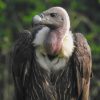
Nepal Is a Model for Vulture Conservation
Vultures get a lot of bad press. Unlike other birds which are praised for their melodious song or bright plumage, vultures have been traditionally reviled for feeding greedily on carcasses, and what many see is as a repulsive look. In many cultures, they are considered an ill omen and the Nepali language has many derogatory phrases.
Restoring Ecosystems After Fire and Flooding: Forget Not the Beneficial Soil Microbes
Recent months have brought all sorts of climate-linked disasters, from raging wildfires in California and Oregon to flooding in Alabama. As we think of the incalculable losses that are associated with these extremities linked to the changing climate, I cannot help but think of the belowground web of life that is burning, being flooded and washed away, affected, or lost.
We Need Nature and Biodiversity if We Want a Sustainable Future
“Investing in nature is investing in a sustainable future,” was one of the key messages from yesterday’s first-ever United Nations Summit on Biodiversity where world leaders and experts agreed on the urgency to act swiftly to preserve biodiversity globally.
A 10-Year-Old Commitment to Biodiversity Misses Virtually All of its Targets
The coronavirus pandemic, which has claimed the lives of over one million people worldwide and destabilized the global economy, also upended the UN’s ambitious socio-economic goals, including the eradication of extreme poverty and hunger by 2030.
From Pledges to Policy and Practice: Moving Nature to the Heart of Decision-Making
This week, Heads of State and Government from 64 countries announced one of the strongest pledges yet to reverse the loss of biodiversity and nature’s contributions to people by 2030. Advancing from powerful pledges to concrete policy and action, however, means that nature must be moved to the heart of global, national and local decision-making. It’s time for nature to be reintegrated into everything we do.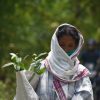
Ecology is Economy – ‘We Need an Integrated Approach Between Lives and Livelihoods’
We usually think of livelihoods and lives separately, however, it is now time to imagine a more integrated approach.
Bending the Curve on Biodiversity Loss Requires Nothing Less than Transformational Change
A spate of reports on biodiversity – the Global Assessment Report on Biodiversity and Ecosystems, the Living Planet Report, the Global Forest Resources Assessment Report and the Global Biodiversity Outlook- paint a stark picture for the world’s biodiversity.
Anne Larigauderie UN Biodiversity Summit #ForNature Video
 On the eve of the United Nations Summit on Biodiversity, Dr. Anne Larigauderie calls on everyone to make ambitious commitments to protect #biodiversity and #nature.
Protecting Nature is Entirely Within Humanity’s Reach: The Work Must Start Now
We have known for a long time that biodiversity, and the services it provides, have been in decline. It is on this background that ten years ago, the international community adopted the Strategic Plan for Biodiversity 2011-2020.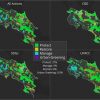
Mapping Nature to Create a Global Biodiversity Framework
The year 2020 was considered a “Super Year” for biodiversity. A string of interconnected events offered a unique opportunity to build a global coalition and international policy framework that recognized the central role of nature to all life on Earth.The science behind the #Biodiversity and #Tourism relationship – #wtflucerne in conversation with IPBES Chair Ana Maria Hernandez Salgar (Colombia)
Biodiversity is declining faster than at any time in human history. Tourism and biodiversity have a symbiotic relationship – positive and negative.
“Hidden” Costs of Our Food Systems
Five years after the adoption of the 2030 Agenda we are far from achieving the Sustainable Development Goals (SDGs). According to the recently launched SOFI Report (The State of Food Security and Nutrition in the World 2020), we are not on track to eradicate poverty, hunger and malnutrition. On the contrary, with the current trends, the global number of undernourished people in 2030 would exceed 840 million. Moreover, WHO has reported alarming rates of overweight and obesity, globally affecting 39% and 13% of the adult population, respectively.
Trinidad and Tobago – Protecting the iconic Three Sisters
Trinity Hills in Trinidad and Tobago’s southeast region, also affectionately known as the Three Sisters, is home to a wildlife sanctuary that serves as a sort of incubator for fauna to reproduce and replenish the surrounding forest reserves of the Victoria-Mayaro region that includes the communities of Guayaguayare and Moruga. But a draft management plan for the Trinity Hills environment project and reports from surrounding communities suggest that urgent action is needed to prevent losses to the sanctuary and forest reserve.
Amazon ‘Women Warriors’ Show Gender Equality, Forest Conservation Go Hand in Hand
On an early December morning last year in the state of Maranhão, Brazil, half a dozen members of the Indigenous Guajajara people packed their bags with food, maps and drone equipment to get ready for a patrol. They said goodbye to their children, uncertain when, or whether, they would see them again. Then, they hoisted their bags over their shoulders and set out to patrol a section of the 173,000 hectares (428,000 acres) of the primary rainforest they call home.
Mayan Train Threatens to Alter the Environment and Communities in Mexico
Mayan anthropologist Ezer May fears that the tourism development and real estate construction boom that will be unleashed by the Mayan Train, the main infrastructure project of Mexican President Andrés Manuel López Obrador, will disrupt his community.
Understanding the Benefits of local Wetland Encourages Eswatini Community to Save it
Sibonisiwe Hlanze, from Lawuba in Eswatini’s Shiselweni Region, lights up as she shows off her sleeping mat which she made from what she described as “the highest quality indigenous fibre”.
Biodiversity Loss Could be Making Us Sick – Here’s Why
By 2050, 70% of the world’s population is expected to live in towns and cities. Urban living brings many benefits, but city dwellers worldwide are seeing a rapid increase in noncommunicable health problems, such as asthma and inflammatory bowel disease.
Trinidad Skilfully Handles COVID-19 but Falls Short with Wildlife
Most of the countries in the Caribbean have done a great job of containing the COVID-19 pandemic, with a few notable exceptions, namely, Haiti and the Dominican Republic. A University of Oxford study highlighted Trinidad and Tobago as being among the most successful. However, management of wildlife and illegal hunting in that country remains ineffective.
How Kenya’s Indigenous Ogiek are Using Modern Technology to Validate their Land Rights
The Ogiek community, indigenous peoples from Kenya’s Chepkitale National Reserve, are in the process of implementing a modern tool to inform and guide the conservation and management of the natural forest. The community has inhabited this area for many generations, long before Kenya was a republic. Through this process, they hope to get the government to formally recognise their customary tenure in line with the Community Land Act.
Billy Offland, Dr. Anne Poelina: Wake up the Snake
 How do we incorporate different knowledge systems in the battle for biodiversity? Billy Offland set off on a 2-year journey to learn about conservation from as many different people as possible. In his travels, he met Dr. Anne Poelina in the Kimberley in Western Australia. Anne is a Nyikina Warrwa Traditional Owner and chair of the Mardoowarra Fitzroy River Council.What can we learn from the Fitzroy River Council? How do we create "forever industries"? How can we use this knowledge in global policymaking?Music: River Feeling by Kalaji (Mark Coles Smith)To find out more about IPBES, head to www.ipbes.net or follow us on social media @IPBES.
« Previous Page — Next Page »


The world's diverse flora and fauna are facing urgent threats due to pollution, climate change, commercialization of nature and other forms of harmful human intervention. The widespread loss of biodiversity is worrying not simply because of the disappearance of exotic species which deserve saving, but because tampering with nature's equilibrium means that the loss of one form of life is a threat to another. IPS taps into its own diverse network of correspondents around the world to report on continuing and emerging dangers to nature's riches - and the struggle to protect them.

The Week with IPS

NEXT STOP - SDGs
Tracking global progress towards a sustainable world
Tracking global progress towards a sustainable world
