
Wednesday, November 11, 2026



News and Views from the Global South
Environment

Resistance Over GMOs as South Africa Pushes Biotechnology
On a family farm tucked between the rolling hills of Masopane, 40 km outside of South Africa’s capital, Pretoria, 35-year-old Sophie Mabhena is dreaming big about her crop of genetically modified (GM) maize.
Argentine Activists Win First Round Against Monsanto Plant
Residents of a town in Argentina have won the first victory in their fight against biotech giant Monsanto, but they are still at battle stations, aware that winning the war is still a long way off.
Kenya’s Scorched Earth Removal of Forest’s Indigenous
Kenyan government security forces are forcefully evicting thousands of people, including the indigenous Sengwer tribe, from the Embobut forest in western Kenya by burning homes and possessions in an effort to promote forest conservation, safeguard urban water access and “remove squatters”.U.S. Agency Accused of Safeguards Failure in Liberia Investment
Hundreds of Liberians have filed a complaint accusing a U.S. government agency of failure to carry out due diligence or ensure that safeguards were followed for investments made to a failed biomass project in Liberia.
The Future According to Mr. Clean (Energy)
Jigar Shah likes math. It inspires him. After all, crunching numbers allowed him to convince wary investors of the money-making potential of solar energy, allowing him to ignite an industry that was crippled by roadblocks.
Dammed Rivers Create Hardship for Brazil’s Native Peoples
The Itaparica hydroelectric power plant occupied land belonging to the Pankararu indigenous people, but while others were compensated, they were not. They have lost land and access to the São Francisco river, charge native leaders in Paulo Afonso, a city in northeastern Brazil.
Voluntary Fracking Certification Kicks Off in U.S.
A controversial new certification process that could cover a significant portion of the U.S. oil-and-gas “fracking” industry began accepting applications on Tuesday, indicating the formal start of an initiative that has the backing of some key industry players and some environmentalists – but by no means all of either.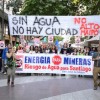
Alto Maipo Project Endangers Santiago’s Water Supply
A hydroelectric project under construction near the Chilean capital poses a threat to the supply of drinking water to more than six million people living in the Santiago Metropolitan Region.
Haiti’s “Public Housing” Projects Overlook Poorest
Named after a famous Haitian singer, the Lumane Casimir Village sits in the desert-like plain at the foot of Morne à Cabri and will eventually have 3,000 rental units. About 1,300 are now ready.
Questions Linger over Haiti Housing Projects
Four years after the Jan. 12, 2010 earthquake, questions continue to haunt the four main post-disaster housing projects built by the Haitian government.
Caribbean Sees Worrying Rise in Climate-Sensitive Diseases
Caribbean countries, struggling to emerge from a slump in exports and falling tourist arrivals brought on by the worldwide economic crisis that began five years ago, have one more thing to worry about in 2014.
Small Projects, Big Changes in Climate Risk in Honduran Slums
For some 250,000 shantytown-dwellers in the Honduran capital, fear of dying or losing their home due to a landslide or other weather-related event has been reduced, thanks to a global warming mitigation plan that has carried out small infrastructure works in 180 ecologically and socially vulnerable neighbourhoods.
Pacific Trade Deal “Backtracking” on Environment Safeguards
An accord that would be the largest trade agreement ever negotiated appears to be rolling back environmental safeguards that have been a key part of U.S.-led trade deals for much of the past decade.
Clean Energy Investment Sags Amid Mounting Climate Risks
Despite Wall Street’s nascent rediscovery of green stocks, global investment in alternative energy declined by 12 percent last year.
OP-ED: Baka’s Struggle a Footnote to Story of Cameroon’s Growth
A recent article by IPS journalist Ngala Killian Chimtom described the struggle of the Baka of Cameroon to maintain their indigenous culture and livelihoods while coping with the rapidly-changing environment around them.
Big Coal Undercuts Landmark U.S. Overseas Investment Policy
Environmentalists and some lawmakers are decrying a surprise move by conservative members of Congress to roll back landmark “clean energy” policies guiding U.S. investments in overseas power projects.
Development Follows Devastation from Brazilian Dam
Valdenor de Melo has been waiting for 27 years for the land and cash compensation he is due because his old farm was left underwater when the Itaparica hydroelectric dam was built on the São Francisco river in Brazil’s semiarid Northeast.
Wildlife Poaching Thought to Bankroll International Terrorism
Top diplomats and retired U.S. military officials are urging Western and African governments to step up the global fight against illegal wildlife poaching.
Natural Disasters Add to Myanmar’s Troubles
As Myanmar nurses a fragile democracy after long years of military rule, a new danger has reared its head. Climate change, say experts, has the potential to spur migration and exacerbate conflict in the country.
Major Parts of World Ignored by U.S. TV News in 2013
If people outside the United States are looking for answers why Americans often seem so clueless about the world outside their borders, they could start with what the three major U.S. television networks offered their viewers in the way of news during 2013.
Four Years Later, USAID Funds in Haiti Still Unaccounted For
As the fourth anniversary of the devastating earthquake in Haiti approaches on Jan. 12, development analysts are decrying an ongoing lack of transparency in U.S. foreign aid to the country, even as those assistance streams are drying up.« Previous Page — Next Page »





Through our global network of local writers, we are continuing our award-winning coverage of global and local environmental challenges, with a focus on the people for whom the ecosphere matters in a direct way: rural dwellers who have little means to protect themselves against adverse conditions; communities that need to switch to sustainable development in order to survive; poor women and children, who are the most vulnerable in natural disasters. Sponsored by the United Nations Environment Program (UNEP), the United Nations Development Program (UNDP) and The World Bank (WB), IPS also maintains the award-winning Tierramérica, a specialised information service on environment and development.

The Week with IPS

Tracking global progress towards a sustainable world


