
Friday, November 20, 2026



News and Views from the Global South
Environment
Ecobreves – CHILE: Renewed Mapuche Opposition to Airport
The Mapuche organization Ayún Mapu, which includes eight communities of Chile's largest indigenous group, will turn to the courts to prevent the construction of an airport on their land in the region of Araucanía, near Temuco, 670 kilometers south of Santiago.
KENYA: Farming Butterflies Puts Food on the Table
For 10 years, Roselyne Shikami, sold boiled eggs at the bus station just outside the densely wooded Kakamega Forest in western Kenya, near the border with Uganda. Now she is selling butterflies.
SOUTH AFRICA: Children Help to Assess Water Health
Miss, Miss, there are tiny creatures here in the water!" a Grade 7 pupil shouts excitedly, trying to draw attention to his water sample. At first, the liquid looks clear, but upon closer examination, one can make out a tiny aquatic invertebrate.ARGENTINA: “We’re Drowning in Sadness”
The legal battle waged by an indigenous community in northern Argentina against the government over a project that flooded half of their territory highlights the fact that legal title to their land is not enough to overcome the marginalisation they have faced for centuries.
NIGERIA: New Law to Promote Locals in Oil Industry
"This bill seeks to address the compelling need for us as a nation to have indigenous participation in the industry." With these words, Nigeria’s acting President, Goodluck Jonathan, signed the Nigerian Oil and Gas Industry Content Development Bill into law.
SOUTHERN AFRICA: Sharing the Okavango
Each January, a giant pulse of water from heavy summer rains over the south of Angola enters the Okavango River system and begins a five-month journey through Namibia to a richly biodiverse swamp in Botswana's Kalahari desert. The river is a rarity, scarcely disturbed by human development along its 1,100 kilometre length: shaping its future is the delicate task of the Okavango River Basin Commission.World Court Highlights Environmental Vulnerability of Uruguay River
If anything was left clear by the International Court of Justice (ICJ) ruling on the long-running pulp mill dispute between Argentina and Uruguay, it was the weakness of rules and regulations to prevent pollution of the Uruguay River in the 508-km stretch shared by the two countries.
Wanted: World Referendum, Climate Justice Tribunal
A world people's referendum on climate change will be held in April 2011 for the earth's peoples to decide how to address this global problem.MOZAMBIQUE: Co-existing With Floods
April signals the tail end of the flood season in Mozambique. The country's water managers will soon be able to appraise the effects of changing policies.EU Defends Food as Fuel
The European Union's anti-poverty chief has refused to concede that his promotion of biofuels has helped exacerbate global hunger.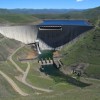
WATER-LESOTHO: Getting Community Consultation Right
The Lesotho Highlands Water Project will move into its second phase in 2010. The first phase has been praised as a shining example of transboundary water sharing in Africa, but community dissatisfaction may mean a rough ride for its extension.
NIGER: Lack of Data on Causes of Death Buffers French Company
French state-owned company Areva continues to deny any wrongdoing after findings that populated areas in Niger remain contaminated with high levels of radio-activity. The company seems to be escaping censure partly because of lack of data on cancer-related causes of death among Nigeriens working at or living near the uranium mines.A North-South Pact to Resolve Water, Sanitation Crisis
An international coalition of over 120 non-governmental organisations (NGOs) is demanding a North-South partnership to resolve the spreading global crisis in water and sanitation.BOLIVIA: Save the Planet from Capitalism, Morales Says
Activists meeting at the people's conference on climate change in this Bolivian city booed a message from United Nations Secretary-General Ban Ki-moon but cheered at host President Evo Morales's chant of "planet or death!"
EAST AFRICA: Green Agriculture Growing in Leaps and Bounds
Organic agriculture using natural farming methods rather than fertilisers and pesticides has made significant gains in African countries – not just among farmers but among consumers too.Crunch Time for Ecuador’s Biological Treasure Trove
These are decisive days for the Yasuní National Park, one of the world's most biodiverse areas, because of the danger that its wealth of underground oil poses to this unique and fragile ecosystem in Ecuador's Amazon jungle region.
SOUTHERN AFRICA: Benefits of Working Together on Water
The river basin organisation people are gathered in Botswana again: the theme this year is "benefit-sharing", an approach to allocating water that, it is promised, will accomplish nothing less than to make more water.MOZAMBIQUE: Weather Service Key to Flood Disaster Management
Mozambique's government learned some tough lessons from the devastating floods that hit the country a decade ago. Experts say the disaster management plans drawn up since are a model for other African countries.Argentina and Uruguay: A Chance to Get Relations Back on Track
Tuesday's International Court of Justice ruling on the conflict between Argentina and Uruguay over a pulp mill on the Uruguayan side of a border river offers a way out of a dispute that has marred relations between the two countries for several years, diplomats and experts say.MEXICO-US: Shrimp Caught Up in Environmental Restrictions
By the time the shrimp season opens again in the fall, Mexico's fleet hopes to have regained certification to export shrimp harvested on the open sea to the United States, which it lost Tuesday. To do so, shrimpers will have to prove they meet sea turtle protection standards.BOLIVIA: “Living Well” in Harmony with the Environment
The philosophy of "Living Well" enshrined in Bolivia's new constitution is being put forward by the government as the basis for a global movement against consumerism, depredation of natural resources for profit, and current models of development.« Previous Page — Next Page »


Through our global network of local writers, we are continuing our award-winning coverage of global and local environmental challenges, with a focus on the people for whom the ecosphere matters in a direct way: rural dwellers who have little means to protect themselves against adverse conditions; communities that need to switch to sustainable development in order to survive; poor women and children, who are the most vulnerable in natural disasters. Sponsored by the United Nations Environment Program (UNEP), the United Nations Development Program (UNDP) and The World Bank (WB), IPS also maintains the award-winning Tierramérica, a specialised information service on environment and development.

The Week with IPS

Tracking global progress towards a sustainable world


