Languages
Thursday, November 12, 2026



News and Views from the Global South
Gender
LABOUR-ZIMBABWE: Redundancy Discrimination Fears for Women
Unskilled female workers employed in Zimbabwe’s struggling textile, security and other industries say they are increasingly finding themselves at the front of the redundancy line in cases that the affected women say reek of gender discrimination.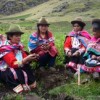
LATIN AMERICA: Rural Women, Success Stories and Exploitation
The traditional image of rural women in Latin America is shifting, from one of subsistence farmers raising their families to that of women playing a growing role in small- and large-scale commercial and productive activities. But behind that change lie both success stories and exploitation.U.S.: And Justice for Few
Poor defendants on death row, immigrants in unfair deportation proceedings, torture victims, domestic violence survivors and victims of racial discrimination - all these groups are consistently being denied access to justice while those responsible for the abuses are protected, according to a new report by the American Civil Liberties Union.
ETHIOPIA: Saving Rural Mothers’ Lives
Nigist Abebe has grown in confidence over five years on the job. Today she is one of 34,000 rural health extension workers at the heart of Ethiopia's primary health care strategy.
SYRIA: Getting Away Legally With Assaulting Women
Iman Wannouss was just 21 years old when she was married off to a close relative. For the next two decades she gave up her work and raised three children in a loveless and violent marriage.SENEGAL: Funding Could Weaken Campaign Against Maternal Mortality
Senegal's efforts to improve maternal health and reduce child mortality are hampered by a lack of health centres and poor care in those that do exist. But the government faces a major financial hurdle in financing the Bajenu Gox initiative - a community health programme intended to address this.SENEGAL: Maternal Care Not Up to the Mark
The Gaspard Kamara maternity centre in Dakar was not especially full on Nov. 25, but the medical staff seemed overwhelmed. Midwives, nurses and gynecologists rushed in all directions dealing with women in difficult labour.CAMEROON: Profits Only a Phone Call Away
These are awkward times for the men in the middle in Cameroon's Western Highlands. A profitable niche buying produce cheaply on farms, and supplying farmers with seed and fertiliser at premium prices has been shattered by the sound of a cellphone ringing.MIDEAST: Labour Rights Slow to Catch on for Domestic Workers
Recent revelations of domestic worker abuse may be grotesque and horrifying, but they are only the most visible aspect of the many difficulties faced by these predominantly female workers, activists say.
SOUTH AFRICA: Violence, Exploitation Fail to Dissuade Female Migrants
Since arriving in Cape Town five years ago, Erina Manyene (not her real name) has eked out a meagre living picking up shifts doing laundry and cleaning other people's homes in the city's leafy southern suburbs.JAPAN: More Economic Woes, More Violence At Home
Japan’s prolonged economic woes seem to have helped worsen the country’s problem with domestic violence.
Q&A: “More Women Peacekeepers Is Not the Solution”
For two decades, women around the world have marked "Sixteen Days of Activism Against Gender Violence", which fall between the International Day for the Elimination of Violence Against Women on Nov. 25 and International Human Rights Day on Dec. 10.
UGANDA: ‘Why Waste ARVs on Sex Workers?’
Sex workers, among the populations most at risk of HIV infection in Uganda, say they are yet to realise their right to health.ZIMBABWE: Sixteen Days of Activism Not For All, Say Police
Hundreds of residents from civil society organisations marched in the streets of Bulawayo on Dec. 1 to mark the 16 days of Activism Against Violence Against Women and Girls . But sex workers and members of gay groups were barred by police from joining the demonstration.
Gender-Based Violence: ‘Zimbabwe Police Officers Forget Themselves’
Tasha Ncube* has no kind words for the police. Early last month, the 31-year-old mother of two was beaten several times by her husband over what she says were small arguments. This was the first time in a marriage that has gone for years without any such occurrence.
Slowly Winning Fight Against FGM in Northern Senegal
The harm done by female genital mutilation is still enormous in Podor, a city in the north of Senegal, say officials at the local hospital. While the practice is declining slightly, some religious leaders in the region still support it.PAKISTAN: Death Sentence Revives Calls to Scrap Blasphemy Laws
What began as altercation among farm workers has become a full-blown nightmare for Pakistani mother Asia Bibi, one that points to her being led to the gallows.
Prenatal Care Key to Reducing Maternal Mortality
Despite successive awareness campaigns, many Malian women see no need to attend pre-natal check-ups. Health workers say this results in an elevated rate of maternal and infant mortality.
THAILAND: Photo Exhibition Captures Human Rights – And Wrongs
In this fast-developing South-east Asian country where dizzying neon signboards and glass-clad skyscrapers have been overshadowed only by a colourful political battle, a group of young photographers are hoping their work behind the lens can bring human rights back into focus.
CUBA: Lesbians Demand Fair Treatment from Health Providers
Lesbian and bisexual women's groups in Cuba, which welcome anyone who wishes to participate "with solidarity and in a respectful, friendly and healthy manner," point to the need to sensitise health personnel to the issue of female sexual diversity.
UGANDA: ICT Boom for Economy, A Bust for Some Women
The rapid growth of the ICT market in Uganda has been greeted with optimism over its potential to boost the country’s development. But less attention is being paid to the increase in gender based violence due to the use of information and communications technology.« Previous Page — Next Page »





Women make up half the world's population, but don't nearly share half of the world's wealth, well-being and opportunity. Two-thirds of the world poor are women, disproportionally exposing women to precarious living conditions, disease and unmitigated natural disasters. The media, meanwhile, remains a male-dominated sector in much of the world, contributing to women's voices lacking a crucial amplifier to put their concerns on political agendas and unleash the development potential of their ingenuity. Rather than then stereotypical victims of local and global forces, women are also organizer, innovators, conservators and community builders. These are some of their stories.

The Week with IPS

NEXT STOP - SDGs
Tracking global progress towards a sustainable world
Tracking global progress towards a sustainable world
