Languages
Saturday, November 21, 2026



News and Views from the Global South
Global Governance
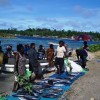
Seeking Closure, Bougainville Confronts Ghosts of Civil War
Thirteen years after the peace agreement which ended a decade-long civil war in Bougainville, an autonomous island region of 300,000 people located east of the Papua New Guinean (PNG) mainland in the southwest Pacific Islands, trauma and grief continue to affect families and communities where the fate of the many missing remains unresolved.
What the U.S. Should Learn from Russia’s Collapse
After months of whispered warnings, Russia’s economic troubles made global headlines when its currency collapsed halfway through December. Amid the tumbling price of oil, the ruble has fallen to record lows, bringing the country to its most serious economic crisis since the late 1990s.
GDP and the Unaccounted for 82 Percent of National Wealth
Virtually all countries use Gross Domestic Product (GDP) as their primary measurement of economic progress and overall societal progress. At the same time, countries express allegiance to the doctrine of sustainable development. This exposes an obvious disconnect.
The Soil, Silent Ally Against Hunger in Latin America
Latin America and the Caribbean should use sustainable production techniques to ensure healthy soil, the basic element in agriculture, food production and the fight against hunger.Changes to World Bank Safeguards Risk “Race to the Bottom”, U.N. Experts Warn
An unprecedented number of United Nations special rapporteurs and independent experts are raising pointed concerns over the World Bank’s ongoing review of its pioneering environmental and social safeguards, particularly around the role that human rights will play in these revamped policies.
The Day Anti-Castro Forces Tried to Bomb the U.N.
When the politically-charismatic Ernesto Che Guevera, once second-in-command to Cuban leader Fidel Castro, was at the United Nations to address the General Assembly sessions back in 1964, the U.N. headquarters came under attack - literally.
U.S. Flag Can Be Seen Again in Cuba
The announcement that the United States and Cuba would reestablish diplomatic relations took most Cubans by surprise. Over half of the population was born after the severing of ties in 1961 and the start of the embargo that has marked their lives.
REDD and the Green Economy Continue to Undermine Rights
Dercy Teles de Carvalho Cunha is a rubber-tapper and union organiser from the state of Acre in the heart of the Brazilian Amazon, with a lifelong love of the forest from which she earns her livelihood – and she is deeply confounded by what her government and policymakers around the world call “the green economy.”
Europe Dream Swept Away in Tripoli
It's easy to spot Saani Bubakar in Tripoli´s old town: always dressed in the distinctive orange jumpsuit of the waste collectors, he pushes his cart through the narrow streets on a routine that has been his for the last three years of his life.
OPINION: Non-Violence and the Lost Message of Jesus
I recently visited Assisi, the home of St. Francis and St. Clare, two great spirits whose lives have inspired us and millions of people around the world.
After 53 Years, Obama to Normalise Ties with Cuba
In perhaps his boldest foreign-policy move during his presidency, Barack Obama Wednesday announced that he intends to establish full diplomatic relations with Cuba.
Anti-Gay Legislation Could Defeat Goal to End AIDS in Zimbabwe by 2015
Despite a mandate to eradicate HIV/AIDS under the U.N. Millennium Development Goals (MDGs), Zimbabwe has done little or nothing to reduce the rate of infection among vulnerable gays and lesbians, say activists here.
UNIDO Development Initiative Gains Momentum in ACP Nations
The inclusive and sustainable industrial development (ISID) initiative of the U.N. Industrial Development Organisation to promote industrial development for poverty reduction, inclusive globalisation and environmental sustainability is gaining momentum in the countries of the African, Caribbean and Pacific (ACP) group.
‘Record’ Illicit Money Lost by Developing Countries Triples in a Decade
Developing countries are losing money through illicit channels at twice the rate at which their economies are growing, according to new estimates released Tuesday. Further, the total volume of these lost funds appears to be rapidly expanding.
Russian Arms Producers Move Ahead of Western Rivals
The world's top 100 arms producing companies racked up 402 billion dollars in weapons sales and military services in 2013, according to the latest figures released by the Stockholm International Peace Research Institute (SIPRI).
OPINION: Give Peace a Chance – Run with Youth
Rambang “Raymond” Tot Deng was 18 and attending his final year of school when fighting erupted in South Sudan’s capital Juba, one year ago. In the ensuing violence, as Raymond’s schoolbooks burned, thousands of South Sudanese were killed, including two of his cousins.
OPINION: The Sad Future of Our Planet
It is now official: the current inter-governmental system is not able to act in the interest of humankind.
CORRECTION/Filipino Children Make Gains on Paper, But Reality Lags Behind
Mae Baez sees some of the darkest sides of communications technology.
Lima Agrees Deal – but Leaves Major Issues for Paris
After a 25-hour extension, delegates from 195 countries reached agreement on a “bare minimum” of measures to combat climate change, and postponed big decisions on a new treaty until the 21st Conference of the Parties (COP 21), to be held in a year’s time in Paris.
Dirty Energy Reliance Undercuts U.S., Canada Rhetoric at Climate Talks
While U.S. and Canadian officials delivered speeches about how the world needs to step up to their responsibilities at the U.N. climate negotiations in Lima, Peru, activists from North America demanded clear answers back home on their governments’ relationships with fossil fuel corporations, as well as the future of several major oil projects across the continent.
OPINION: How Shifting to the Cloud Can Unlock Innovation for Food and Farming
The digital revolution that is continuing to develop at lightening speed is an exciting new ally in our fight for global food security in the face of climate change.« Previous Page — Next Page »


The Week with IPS

NEXT STOP - SDGs
Tracking global progress towards a sustainable world
Tracking global progress towards a sustainable world
