Languages
Saturday, November 21, 2026



News and Views from the Global South
Global Governance

The Train of Palestinian Reconciliation Reaches One More Station
The formation of a new Palestinian government between Fatah and Hamas announced on Monday is an important station on the path to reconciliation, “but there still many stations to be reached before achieving real unity based on partnership among all Palestinians.”
Israel in Political Isolation Over New Palestinian Government
The United States' decision to "work with" the new Palestinian government has virtually isolated Israel: the only country so far to have publicly rejected the political alliance between Fatah and Hamas.
How Climate Legislation Can Help to Enable a Global Climate Deal in 2015
With leading politicians meeting next month for the World Summit of Legislators in Mexico City, it is clear that a new global climate deal is needed. Each year, the world is seeing signs of climate change's accelerating impacts, from longer, more intense droughts to stronger storms and rising seas.Arab Publics Prefer Light U.S. Footprint, Even in Syria
In contrast to some of their leaders, people across the Arab world prefer President Barack Obama’s efforts to reduce Washington’s military footprint in the Middle East to the approach favoured by neo-conservatives and other U.S. hawks, according to the latest in a series of surveys of Arab public opinion released here Tuesday.
U.S. Corporate Conflict Minerals Reports “Historic” But Incomplete
For the first time, nearly 1,300 U.S. companies have filed reports on whether the products they manufacture or sell are made with minerals that have bankrolled conflict in the Great Lakes region of central Africa.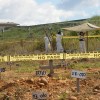
Let Colombia End Its Civil War
After half a century, Colombia may put an end to its conflict—if the U.S. will allow it.
China Casts A Long Shadow Over Latin America
In the past 15 years, China has gone from being a relatively insignificant economic partner in Latin America to the number-one trading partner of some of the largest economies in the region.
Showing the West that Russia is Not Alone
Aleksander Mizdrakin is convinced he knows who Russia’s future international partners are – and they’re not in Europe, nor is the United States among them.
Let There Be Light, Implores U.N. Chief
When night falls, there are over 1.3 billion people, mostly in the developing world, who live in virtual darkness because they have no access to electricity.
Q&A: “We Need the Dissolution of NATO – It Has No Mission”
Since the collapse of the former Soviet Union, the United States has developed from a super power into a hyper power, says Subrata Ghoshroy, researcher at the Massachusetts Institute of Technology (MIT). This development has far reaching negative consequences in terms of global security – continual promotion of the international arms race as well as persistent devaluation of diplomacy and international law.Defending European Consumers and Public Services Against International Corporations
For many months, the Transatlantic Trade and Investment Partnership (TTIP) debates between the European Commission (EC) and the U.S. government were a matter for insiders.
Mexico Underlines Transformation in Global Climate Change Debate
It is now two years since Mexico passed the General Law on Climate Change, a landmark piece of national environmental legislation.
Climate Legislation Up Against ‘Abenomics’ in Japan
Undaunted by Japan’s national consensus to boost the economy, which has been mired in lackluster growth for decades, environmentalists are taking baby steps towards incorporating climate change into national legislation.
Mexico – Both Victim and Victimiser in Cyberespionage
A lack of controls, regulation and transparency marks the monitoring and surveillance of electronic communication in Mexico, one year after the revelations of cyberespionage shook the world.
Foreign Aid Funding Luxury Hotels in Myanmar
New investments from the International Finance Corporation (IFC), the World Bank’s private-sector investment arm, may perpetuate economic inequality rather than alleviate poverty in Myanmar, critics here are warning.
U.N. Development Programme Plans Lay-Offs, Salary Cuts and Demotions
The United Nations Development Programme (UNDP), one of the largest U.N. agencies with an estimated average annual budget of more than five billion dollars, is undergoing major structural changes - triggering large-scale staff layoffs, demotions, salary reductions and downgrading and abolition of existing senior-level jobs.
Micronesia Climate Law Seeks to Inspire Global Action
The Federated States of Micronesia (FSM), a western Pacific Island state located north of Papua New Guinea and east of Palau, has become a regional pioneer in drafting national legislation centred on climate change.
Malawi’s President Joyce Banda Gains Support for ‘Fraudulent Election’ Recount
When Malawi's President Joyce Banda said that last week's elections were fraudulent and riddled with rampant irregularities, social media went viral calling her a loser.
OP-ED: Obama Signals Reset of U.S. Foreign Policy
A supertanker sails a long way, they say, between the time the helmsman sets a new course and the moment when the vessel fully responds.Obama Stresses Multilateralism over Militarism at West Point
U.S. President Barack Obama Wednesday stressed multilateralism over militarism in what was billed as a major foreign policy address and a rebuttal to an ever-louder chorus of criticism, mostly by Republicans and neo-conservatives, that his tenure has been marked by weakness and retreat.
Where Will The New Europe Go?
“An era can be said to end when its basic illusions are exhausted” is a phrase from Arthur Miller which applies well to the European elections that have just ended. What those elections showed was that disenchantment with Europe as an ideal has grown to a dangerous point.« Previous Page — Next Page »


The Week with IPS

NEXT STOP - SDGs
Tracking global progress towards a sustainable world
Tracking global progress towards a sustainable world
