Languages
Sunday, November 22, 2026



News and Views from the Global South
Asia-Pacific
DEVELOPMENT: IBSA’s South-South Funding With No Strings Attached
Development donors typically impose strict conditions on recipient countries. Now a different South-South approach to funding is taking shape through the India-Brazil-South Africa (IBSA) Fund for Poverty and Hunger Alleviation.
ENVIRONMENT: Military Debris Threaten Oceans
 Military debris dumped into the world’s oceans are hazardous to coral ecosystems, reefs, fish and marine wildlife, say experts, who also warn - in light of the recent tragedy in Japan - that earthquakes and tsunamis could disturb this debris and even wash it ashore.

PHILIPPINES: Pulling Children Out of the Tunnel of Hard Labour
At the tender age of 10, Rodel Morozco was working in a goldmine and crawling inside tunnels, until one day he fell 200 feet underground because his father had blasted the tunnel with dynamite.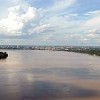
Emerging Powers Harnessing Neighbours’ Hydroelectricity
Emerging countries like Brazil and China are building numerous hydroelectric dams at home and abroad to help drive their economic growth. But while in Latin America the phenomenon is touted as an integration process, in Asia it has generated tension over the shared use of rivers.China’s Green Blueprint Raises Stakes at U.N. Climate Talks
China’s rise as a leader in the environmentally friendly, low-carbon economy is giving the Asian giant new diplomatic muscle for this year’s round of climate change negotiations leading up to the COP17 U.N. summit in Durban, South Africa in November.Pakistan Moves to Curb More Aggressive U.S. Drone Strikes, Spying
The Pakistani military's recent demands on the United States to curb drone strikes and reduce the number of U.S. spies operating in Pakistan, which have raised tensions between the two countries to a new high, were a response to U.S. military and intelligence programmes that had gone well beyond what the Pakistanis had agreed to in past years.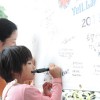
JAPAN: Difficult Shift From Aid Donor to Recipient
April has traditionally been the time for ‘hanami’, or cherry blossom festivals, when millions of Japanese hold parties under the pink flowering trees in parks and streets lit up gaily by lanterns.More Economic BRICS in the Development Wall
As BRICS (Brazil, Russia, India, China and South Africa) leaders prepare for Thursday’s summit in the resort town of Sanya in China’s southern Hainan province, experts here say there are limits to how ‘political’ the grouping can get.DEVELOPMENT: India and South Africa — Ever-Tightening Relations
Much is made about China’s footprint in Africa but what about its emerging markets rival India?CHINA: Social Stability Puts Squeeze on the Rule of Law
There is no "Jasmine Revolution" in China, but the Chinese government might be creating the seeds for one through its elevation of social stability above the rule of law, some experts say.Arab Spring at Azerbaijan’s Door
Campaigners are asking the Azerbaijan government to introduce radical reforms early to avoid a popular uprising sweeping the Arab world.BURMA: Military Plays a Civilian-Looking Game
A new quasi-civilian government has taken over in Burma, but diplomats, analysts and pro-democracy activists are dismissing it as nothing more than "old wine in a new bottle".DEVELOPMENT: BRICS to Promote More Inclusive Global Partnership
At the upcoming Brazil, Russia, India, China and South Africa (BRICS) summit, to be held on the tropical Chinese island of Hainan Apr. 14, discussion will focus not only on deepening economic ties among members, but will also likely touch on global political events, including the crisis in the Middle East and North Africa. But China insists the club has no political agenda.
IBSA States Do Not Always Have Common Positions on Trade Issues
"IBSA what?" is the question you most often get in Geneva when enquiring about the India-Brazil-South Africa (IBSA) dialogue forum, established in 2003 between these three multicultural democracies and emerging markets "to contribute to the construction of a new international architecture".CLIMATE CHANGE: Developing Countries Step In Where Richer Nations Fear to Tread
Led by countries like Indonesia, 48 developing nations are rolling out a range of pledges to voluntarily cut their respective emissions of greenhouse gases (GHG) by 2020, the year climate scientists say the earth’s rising temperature should peak by if an environmental catastrophe is to be avoided.CORRUPTION-INDIA: Gandhian Movement Pushes Ombudsman Law
Seeing the bespectacled old man fasting in protest against corruption in the bustling heart of the Indian capital, many are reminded of Mahatma Gandhi, the man who used ‘moral power’ to lead India to independence from British colonial rule in 1947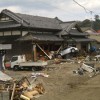
EXCLUSIVE: Report from Fukushima
My decision to visit Fukushima - the area worst hit by the massive quake, tsunami and nuclear power accident on Mar. 11 - was taken one afternoon last week after a long meeting with scientists.
CLIMATE CHANGE: World Bank Under Fire for Role in New Global Green Fund
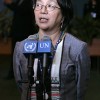
The World Bank is facing mounting opposition from a broad network of green and grassroots activists over its role in a new global Green Climate Fund (GCF) aimed at helping developing countries combat the ravages of climate change.
SRI LANKA: Finally Dengue Takes a Beating
Dengue infections and deaths here have declined significantly this year.AFGHANISTAN:: New Therapy Battles Soaring Drug Addiction
A pioneering drug substitution programme in conflict-wracked Afghanistan has been hailed as a resounding success as local doctors and international health organisations battle soaring heroin addiction rates and an HIV/AIDS epidemic.LATIN AMERICA: Tracking Down Radioactive Food Imports
Rather belatedly, Latin America is beginning to test products imported from Japan to check that they are not contaminated with radioactivity from the Fukushima nuclear power station that was severely damaged by the Mar. 11 earthquake and tsunami.« Previous Page — Next Page »


The Week with IPS

NEXT STOP - SDGs
Tracking global progress towards a sustainable world
Tracking global progress towards a sustainable world
