
Monday, November 23, 2026



News and Views from the Global South
Environment
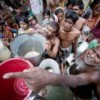
A Moment of Silence for Dying Millions on World Water Day
When the international community commemorates World Water Day next week, perhaps it should ponder the words of U.N. Secretary-General Ban Ki-moon, who once remarked he does not expect people the world over to stop what they are doing and observe a moment of silence, come Mar. 22.CHINA: Sympathy for Japan Drowns Out Historic Hate
Despite deep historic tensions between the two Asian powers, a surge of sympathy has emerged among Chinese toward victims of last week’s earthquake and resulting tsunami in northern Japan, which has left an estimated 10,000 dead or missing.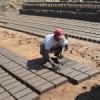
LATIN AMERICA: Brick-Making Industry Confronts Its Climate Impacts
Wearing rolled up trousers and a spattered shirt, Carlos Frías mixes mud, water and manure to prepare a row of red bricks.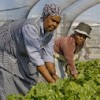
AFRICA: Anxious Eyes on Green Climate Fund
The African Development Bank says it is concerned about administrative delays holding up progress on the Green Climate Fund - one of the most significant achievements from the Cancún climate talks.
Investment in African Economies Shifting Away from Raw Materials
Local and foreign investment on the African continent is slowly moving away from agriculture and raw materials to manufacturing, services, communication and tourism, despite poor infrastructure and low skills levels.Japan Nuke Disaster Could Be Worse Than Chernobyl
A global nuclear disaster potentially worse than Chernobyl may be under way in Japan as hundreds of tonnes of highly radioactive spent nuclear fuel are open to the sky, and may be on fire and emitting radioactive particles into the atmosphere.
TAIWAN: Public Demands Safety Review of New Reactor
The unfolding disaster at Japan’s Fukushima Daiichi Nuclear Power Plant has reignited debate over Taiwan’s own nuclear power programme and the controversy over continuing construction of a fourth nuclear facility here.Maldives Seeks “Smooth Transition” for World’s Poorest Nations
When the environmentally-threatened Indian Ocean island of Maldives "graduated" from the ranks of least developed countries (LDCs) to a middle-income country last January, the graduation was characterised as a milestone in the country's socioeconomic development.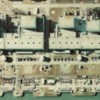
JAPAN: Food and Gasoline Shortages Plague Nuclear Exclusion Zone
For the past three days Hiroko Oogusa, 62 - following orders from the local authorities - has remained in her tightly shuttered home located 40 kilometres from the badly damaged Daiichi nuclear power plant in Fukushima.Japan’s Nuclear Nightmare Triggers Fears in France
Until the nuclear crisis started unfolding in Japan last week, most French citizens did not doubt that the country's 58 nuclear reactors were safe enough to continue operating for scores of years to come.INDIA: Green Schemes Turn Into White Elephants
Several incinerator facilities that were supposed to turn waste into energy have proven to be white elephants that are now adding to the country’s pollution woes, instead of alleviating them.Japan Races to Cool Stricken Reactors
Workers battling to contain the crisis at Japan's quake- stricken Fukushima nuclear plant were briefly moved to a bunker because of a rise in radiation levels, local media have reported.
Zambezi Floods Displace Thousands in Namibia
Thousands of people and livestock in the Caprivi Strip have had to be evacuated as annual floodwaters rise in the Zambezi. However, loss of life has been kept to a minimum as informal warning systems prove to be effective.
KENYA: Community Turns Garbage Into Energy Source
A community-based organisation in the Kenyan slum area of Kibera set out to clean up garbage and deal with waste water; Ushiriki Wa Safi ended up creating a community cooker that turns waste into an energy source.
Aid Agencies Rush to Japan’s Humanitarian Front
Day five of Japan's post-earthquake, post-tsunami life dawned dismally Tuesday, with soaring radiation levels from the Fukushima Daiichi power plants and a relentlessly rising death toll in the four worst-affected prefectures.
AFRICA: Responsible Travel Means Not “Haggling Over Wooden Beads”
Tourism as a concern found its way onto the agenda of the 1992 Earth Summit in Rio de Janeiro because of its potential for development but also due to its adverse effects on some populations and natural resources, particularly in Africa.SOUTHERN AFRICA: Plumbing Grey Data for Clear Water
They come like pilgrims to the Department of Geological Surveys office in Lobatse, 120 kilometres south of the Botswanan capital. In the sparsely furnished offices there, they pore over charts, trying to take the guesswork out of choosing where to sink a borehole.
U.S. Nuke Plant Safety Questioned in Wake of Japanese Disaster
As Japan continues to battle the threat of nuclear meltdown in the wake of Friday's devastating earthquake, lawmakers, environmental activists and the nuclear industry in the United States are squaring up for a heated contest over the future of atomic energy in this country.Japan Atomic Woes Trigger Policy Review in Germany
The unfolding nuclear catastrophe in Japan, triggered by last Friday's massive earthquake and tsunami, followed by a chain of explosions in atomic power plants, has forced the German government to rethink its own nuclear energy policy.Japan Bracing For Nuclear Meltdown
Desperate efforts by the government to avoid the looming nightmare of a nuclear meltdown in tsunami damaged Fukushima Daiichi nuclear plants, 240 kilometres north of Tokyo, have brought no relief to the public who face the possibility of another explosion that could spew deadly radiation across the country.INDIA: Japan Quake Focuses Anti-Nuclear Message
Anti-nuclear campaigners in India see the earthquake that hit Japan last week, which threatens the meltdown of the Fukushima atomic power facility there, as a wakeup call for this country’s ambitious nuclear power programme.« Previous Page — Next Page »


Through our global network of local writers, we are continuing our award-winning coverage of global and local environmental challenges, with a focus on the people for whom the ecosphere matters in a direct way: rural dwellers who have little means to protect themselves against adverse conditions; communities that need to switch to sustainable development in order to survive; poor women and children, who are the most vulnerable in natural disasters. Sponsored by the United Nations Environment Program (UNEP), the United Nations Development Program (UNDP) and The World Bank (WB), IPS also maintains the award-winning Tierramérica, a specialised information service on environment and development.

The Week with IPS

Tracking global progress towards a sustainable world


