Languages
Thursday, November 12, 2026



News and Views from the Global South
Featured

Why Experts are Saying It’s a ‘Make or Break’ Moment for Forests
A new global report on forests says that while the COVID-19 pandemic is the latest threat to achieving ambitious forest protection goals, it has brought the importance of forests to global well-being into sharp focus, and that this recognition must now be met with collection action.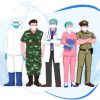
State of COVID-19 in Sri Lanka: Are Government Policies Effective in Controlling it?
The SARS-CoV-2 infection (COVID-19) affected the entire world; many died, millions got sick, and the misery continues. Second and third waves of SARS.Cov-2 infection are devastating most countries.
Transparency Offers Pathway to a More Sustainable Earth
Last week, the world marked Earth Day – an opportunity to put the spotlight on the pressing needs of our planet, in the face of ever-growing impacts by humanity, and galvanize action to change practices and behavior. Yet these issues were not, and cannot be, addressed in a single day. Resolve and action to protect the environment is a 365 days-a-year endeavor.
Q&A: Drawing Attention to the Crisis in the DRC’s Education Sector
Yasmine Sherif, Director of Education Cannot Wait (ECW), has sounded the alarm on the need for Central African Republic refugee children and youth to access quality education during her visit to a refugee site in the Democratic Republic of the Congo (DRC) from Apr. 20-23.
US-China Cold War Could Lead to a More Dangerous Nuclear Stand-off
Despite the negotiation of the Treaty on the Prohibition of Nuclear Weapons (TPNW), we are confronted by the increasing dangers of great power war, even nuclear war.
World Military Spending Rises to a Hefty $2.0 Trillion Despite UN Pleas for Cutbacks
The United Nations-- which is desperately seeking funds to help developing nations battling a staggering array of socio-economic problems, including extreme poverty, hunger, economic inequalities and environmental hazards-- has continued to be one of the strongest advocates of disarmament.
Youth Demand Action on Nature, Following IUCN’s First-Ever Global Youth Summit
Following almost two weeks of talks on issues such as climate change, innovation, marine conservation and social justice, thousands of young people from across the globe concluded the first-ever International Union for Conservation of Nature’s (IUCN) One Nature One Future Global Youth Summit with a list of demands for action on nature.
One Year Later; No Justice for Victims of 2020 Mali Protests & Coup
It has been about a year since anti-government demonstrations and a coup in Mali, which saw 18 people, including a 12-year-old boy being killed. But there has been no justice for the families of those injured and killed by defence and security forces during last year's May to August protests.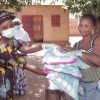
On World Malaria Day, We Must Step Up Efforts to Combat Malaria
Despite its 229 million cases and 409,000 deaths in 2019, malaria is an overlooked epidemic. The emergence of COVID-19 has thrown health systems into disarray and forced countries to shift their focus from malaria to the pandemic response, threatening to reverse 20 years of malaria gains.
Towards a More Democratic & Inclusive UN this International Day of Multilateralism
One of the most recently established international UN days is the day of multilateralism and diplomacy for peace. First observed on 24 April 2019 to promote UN values and to reaffirm the faith of people in the purposes and principles of the UN Charter, the relevance and the irony of this day is obvious.
Press Freedom under Lockdown Across Two-Thirds of the Globe
Independent journalism is facing a growing crackdown one year into the COVID-19 pandemic as governments around the world restrict access to information and muzzle critical reporting, media and rights watchdogs have warned.
Disability in Goma. The Power of Staying Together Against Covid-19, War, and Stigma
 Sylvain Kakule Kadjibwami lost the use of his legs during one of those ambushes that bloodlessly bleed North Kivu. “When I was shot, I thought it was the end of my life, but when I shared it with other disabled people, I discovered that life is still possible,” he said. Now it is Covid-19 that risks destroying the dreams of Sylvain, a small trader from Goma, a city whose roads are volcanic rock-ridden screes where pick-ups trudge. Those who walk face the risk of falling at every step. However, for those who cannot, the same roads can become traps where it is not only war that kills but also a stigma fostering misery and disease.
This Earth Day, a People’s Perspective is What is Most Needed
Today marks Earth Day and all around the globe, advocates and activists, concerned citizens and the like will gather to raise awareness about the climate crisis.
Earth Day 2021: Passing On a Cleaner World
Preserving the beauty and wonder of our natural world for future generations should certainly be a goal everyone can get behind. While progress is often stymied by polarizing debates, clean air and water should be a priority for everyone.
Rights Group Calls for Overhaul of Criminal Justice Systems’ Response to Sexual Violence Across South Asia
Gaps in laws, illegal out-of-court settlements, rape survivor intimidation and law enforcement failure to adequately respond to sexual violence reports are hindering women from seeking justice and maintaining impunity for perpetrators of rape in South Asia.
COVID-19 Locks Down Therapy Support for Zimbabwe’s Trafficking Survivors
Before Zimbabwe imposed lockdown measures last March as part of global efforts to curb the coronavirus pandemic, Grace Mashingaidze* would attend workshops in Harare arranged by a nongovernmental organisation assisting trafficked women who had safely made it back home.
Child Trafficking in South Asia Facilitated by Open Borders
The numbers are so staggering that is hardly imaginable striking a positive tone about the situation of child trafficking in Nepal and yet some positive developments are occurring here in a country that soon could be set to graduate from the group of least developing countries.
Another False Start in Africa Sold with Green Revolution Myths
Since the Alliance for a Green Revolution in Africa (AGRA) was launched in 2006, yields have barely risen, while rural poverty remains endemic, and would have increased more if not for out-migration.
Kenya’s Poor Need Different Lockdown Restrictions to Survive, Scientists Urge
After Joseph Mandu lost his job because of the country’s coronavirus lockdown, he would still wake every morning and leave his home in the City Carton slum in Kenya’s capital, Nairobi. But instead of heading to the restaurant he worked at as a pool-table attendant, he would walk around City Carton searching for odd jobs to earn an income so he could pay for the food his family needed to survive.
A Growing New Health Crisis Focusing on Emergency Rooms, Medical History & Vaccines
This year's World Health Day on 7 April was an opportunity for three entrepreneurs to share their insights and reflections on a rather complex year due to the health crisis and comment on their experiences developing impactful products and services in this sector.
Trafficking Survivor & Son Born of Rape Face Daily Discrimination Upon Return to Nigeria
Sandra* had a baby born of rape. The young Nigeria woman had plans of a better life in Europe, but when her 'recruiters' abandoned her in Libya she was sexually assaulted and abused. « Previous Page — Next Page »





The Week with IPS

NEXT STOP - SDGs
Tracking global progress towards a sustainable world
Tracking global progress towards a sustainable world
