Languages
Friday, November 20, 2026



News and Views from the Global South
Gender
DR CONGO: Hard to Save All Women Suffering from Fistula
"Every quarter, more than a hundred women with fistulas - including many younger than 20 years old - are admitted for surgery in Maniema province," says nurse Julie Mawazo. "The number of affected women who don't have the means or awareness to come in must be far greater."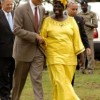
OP-ED: Wangari Maathai: A ‘Mighty Woman’ Who Spoke Truth to Power
Last night, Wangari Maathai, the first African woman to win the Nobel Peace Prize, died. Most people think of Ms. Maathai as an environmentalist, planting trees. In reality, her environmental activism was part of a holistic approach to empowering women, advocating for democracy, and protecting the earth.Rwanda Wins Gold for Forest Conservation Blueprint
Government policies are seldom lauded, yet Rwanda's forest policy has resulted in a 37-percent increase in forest cover on a continent better known for deforestation and desertification.Give Women the Seeds and They Can Feed the World
If women farmers were given more tools and resources, the number of hungry people in the world could be slashed by 100 to 150 million.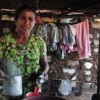
SRI LANKA: Single Women Begin to Rebuild
For Magei Kasai the battle against hardships did not end when the guns fell silent two years ago in the Sri Lankan civil war. New battles began for survival, for herself and for what was left of her family.Grassroots Women Urge Rights-Based Development Path
The streets around the headquarters of the world's leading financial institutions – the World Bank and the International Monetary Fund – have been transformed into a canvas over the last three days.
ZAMBIA: New President, New Governance Yardstick
The election of Michael Chilufya Sata as Zambia's new president shows that Zambians are more interested in issues of accountability and transparency than mere service delivery, say analysts.
Tapping Boys in the Struggle for Girls’ Equal Rights
Brothers, husbands, boyfriends and fathers are key actors in the creation of a world where girls enjoy the same rights as boys, and will themselves benefit from greater gender equality, stresses a new report from Plan International released Thursday.Uneven Results in Bid to Halt Needless Mother and Child Deaths
Political, private sector and civil society leaders from around the world gathered here on Tuesday to recommit to a year-old initiative, Every Woman Every Child, which aims to prevent 16 million maternal and child deaths by 2015.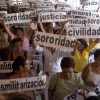
COLOMBIA: Victims of Sexual Violence Under Threat and on Their Own
"Another one? Another rape?" was the response Mari got at the Attorney General's Office in Colombia when she went to report what she had been through. "When they said that, I froze and got up and said 'Thank you, I’ll come back another day'," she told human rights defenders later.
ZAMBIA: Largely Peaceful Elections
Only two incidents of violence, triggered by the late start of voting and the suspicion of electoral fraud, were reported as Zambians went to the polls to elect a new president and government on Tuesday.
Ship of State Needs More Women at the Helm
Less than 10 percent of the world's political leaders are female, according to United Nations figures, but many of them were present Monday at U.N. headquarters in New York, where they reiterated calls for increased participation for women as critical to both economic development and democracy.Women Hung Out to Dry in Global Labour Market
Amid policy battles over food production, energy resources and economic decline, one untapped natural resource that is guaranteed to boost production on a global scale has been stubbornly overlooked – the power of women in the labour force.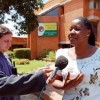
ZAMBIA-ELECTIONS: Perpetrators of Violence Warned: ‘Expect No Mercy’
As Zambians go to the polls on Tuesday to elect a new government and president they do so amid fears of election violence.Accessible Micro-Loans Help Poor Women in Rural South Africa
While women still lag grossly behind men in terms of bringing home the bacon, a new entrepreneurship organisation, Financial Independence Through Entrepreneurship (FITE), is working to swing the balance of economic power in South Africa by providing micro-loans to hard-up women.
DADAAB: A Daily Prayer for Complication-Free Births
Dr. Beldina Gikundi's daily prayer is that the handful of malnourished pregnant Somali women who go into labour that day at the Dadaab refugee complex do not have complications, which might require a caesarean section. Because Gikundi knows that Somali cultural beliefs mean that she and her staff at Hagadera Hospital will most likely not be able to immediately operate on the women and save their lives and those of their unborn children.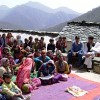
INDIA: ‘Missing Girls is About Femicide’
India has been ranked the fourth most dangerous country in the world for women, but the widespread practice of selectively aborting female foetuses may make it the most hostile to the female gender.NORTH KOREA: Women Wear Pants, Revive Markets
North Korea's communist government frowns upon women wearing pants, seeing it as a mark of ‘rotten bourgeois lifestyles.' Yet, wives, literally wearing pants, are selling goods in the local markets to supplement their husbands' meagre pay packets.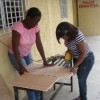
DOMINICAN REPUBLIC: Women Challenge Monopoly on “Men’s Jobs”
From a small office inside a public school on the eastern side of the Rio Ozama in the capital Santo Domingo, a programme operated by a local NGO, Ce-Mujer, has been leading a quiet revolution to empower women in the workplace for the last 13 years.World Bank, IMF Face Shifting Development Paradigm
Amid a global financial crisis that has shown little signs of reversing, next week's fall meetings of the International Monetary Fund and World Bank are crucial in setting the tone for rebounding world markets, to which leaders of the Bretton Woods institutions offered optimistic, yet ultimately vague, solutions in speeches this week.
NEPAL: No Brakes on Sex Trafficking
While a Nepalese campaign to stop human trafficking gains recognition by the White House and Hollywood, Nepal continues to be a prime source for sex trafficking, thanks to unsettled conditions created by a protracted political crisis.« Previous Page — Next Page »


Women make up half the world's population, but don't nearly share half of the world's wealth, well-being and opportunity. Two-thirds of the world poor are women, disproportionally exposing women to precarious living conditions, disease and unmitigated natural disasters. The media, meanwhile, remains a male-dominated sector in much of the world, contributing to women's voices lacking a crucial amplifier to put their concerns on political agendas and unleash the development potential of their ingenuity. Rather than then stereotypical victims of local and global forces, women are also organizer, innovators, conservators and community builders. These are some of their stories.

The Week with IPS

NEXT STOP - SDGs
Tracking global progress towards a sustainable world
Tracking global progress towards a sustainable world
