Languages
Saturday, November 28, 2026



News and Views from the Global South
Global Governance

The Rush for Oil in West Africa – The New Wild West?
There is a new oil rush off the coast of West Africa. But there are fears that the sector is not sufficiently regulated, and watchdog groups are raising concerns about transparency and governance in the region.US-IRAN: Key Senator Pushes “Nuclear Option” Against Central Bank
Amid simmering tensions surrounding Iran's nuclear programme, a key pro-Israel U.S. senator has tabled legislation that would effectively ban international financial companies that do business with the Central Bank of Iran (CBI) from participating in the U.S. economy.African Sun Prepares to Power Europe
Solar thermal power plants are indispensable to meet Europe’s energy demands and to reduce greenhouse gases emissions substantially, according to a new study by a European scientific commission.U.S.: Pacific Pivot or APEC Misstep?
President Barack Obama intended to use the Asia Pacific Economic Cooperation (APEC) meeting last weekend in Hawai'i to signal a shift in U.S. foreign policy away from the Middle East and toward the Asia-Pacific region.Crowds Vandalise Arab Embassies in Syria
Crowds supporting President Bashar al-Assad have vandalised at least two Arab embassies in the Syrian capital Damascus as Arab League foreign ministers gathered in Rabat to discuss formalising their suspension of Syria from the league.
World’s Biggest Hydropower Scheme Will Leave Africans in the Dark
South Africa and the Democratic Republic of Congo have signed an agreement to build a major hydroelectric power project, which is said to bring electricity to more than half of the continent’s 900 million people. But economic analysts warn that foreign investors will prevent the grid from benefiting the general public.
Angolan Spring – Protests Shaking Up Authorities
Adolfo Andre knows what he wants for his country and says he will fight on until he gets it.MALAWI: Water Promises Light for Isolated Community
In just a few weeks, seven villages that had expected to remain "in the dark forever" will finally have electricity, courtesy of a small hydroelectric power plant on Lichenya River, one of the major rivers on the eastern slopes of Mulanje Mountain in southern Malawi.ECONOMY-PORTUGAL: Side Effects of IMF Medicine
A European Union economic forecast for 2012 indicates Portugal is the EU country that will grow the least.TAJIKISTAN: Dushanbe’s Plane Caper Not Flying with the Kremlin
Memo to leaders of Central Asian nations that lack abundant energy resources: messing with Moscow usually backfires.
Toxins Rob More Than a Decade of Life from Millions
Toxic pollution affects the health of more than 100 million people, shortening their productive life spans by an astonishing 12.7 years on average.
Unreported Horrors – Male Rape in DR Congo
They are men who have lost all pride and self-confidence and who have been left severely traumatised by their experience. At the medical centre in Uganda where they are being treated, they talked candidly about the crimes carried out against them.
Q&A: “Grabbing of Drylands is a Serious Concern”
Designated Drylands Ambassador, United Nations Convention for Combating Desertification (UNCCD), at its 10th Conference of the Parties (COP10) in South Korea in October, Dennis Garrity is mandated to raise awareness of land degradation.
Q&A: “Gender Violence Is Not Natural and Not Inevitable”
Dedicated efforts by women's rights advocates are bearing fruit, UN Women says: for example, two-thirds of the world's countries now have legal provisions to stop domestic violence.Can the BRICS Make a Difference At Busan? – Part 1
As shock waves from Greece's economic crisis emanate across the Eurozone and the Occupy protests in the U.S. grow bolder in their critique of the dominant neoliberal system, it seems clear to many observers that the old hegemonic economic order is fading fast.SYRIA: Rights Group Details Brutal Ongoing Crackdown in Homs
At least 587 civilians in Homs were killed by Syrian government forces between mid-April and August, the highest number of casualties for any single governorate, reveals a report released by Human Rights Watch Friday.
DEVELOPMENT: UNESCO Turns On the Radio
The demise of radio has been predicted for many years, but the medium is adapting, transforming and proving to be a cost-effective tool in development, experts say.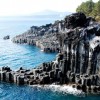
SOUTH KOREA: Trouble in Paradise – The Militarisation of Jeju Island
The South Korean government has been campaigning to have its southern island of Jeju recognised as one of the seven new wonders of nature. A favourite honeymoon spot in Asia and an official "island of peace", Jeju already boasts several UNESCO World Natural Heritage sites.
U.S.: Frustrated with Big Banks, More Turn to Cooperatives
The number of people flocking to cooperative banks has recently skyrocketed in the U.S., with 650,000 people joining credit unions just since late September. Their rationale: financial cooperatives offer a more secure and socially just alternative to big commercial banks – or a way for the 99 percent to fight the one percent.
Time to Derail Fossil Fuel Train, Energy Agency Warns
Countries have chained themselves to a fossil fuel train that is headed straight off a cliff, warns the International Energy Agency (IEA).
CLIMATE CHANGE: Bangladeshi Women on the Brink
Char Nongolia village is a basket case when it comes to climate change impacts such as increasing salinity, frequent cyclones, tidal surges, erratic rainfall and extended droughts.« Previous Page — Next Page »


The Week with IPS

NEXT STOP - SDGs
Tracking global progress towards a sustainable world
