Languages
Wednesday, November 18, 2026



News and Views from the Global South
Health

Ground-breaking Clean Air Protocol to Guard Human Health and the Planet, Enters into Force
European and North American countries will take a major stride in cleaning up the atmosphere next Monday, 7 October, through the implementation of an amended legally binding treaty to limit the amount of emissions polluting the air.
No to Ageism, Yes to Intergenerational Equality
As we are celebrating the International Day of Older Persons today, we recognize that population ageing is a human success story, a story of longer and often healthier lives of the world’s people. The many faces of older persons that we see in Asia and in the Pacific, and, indeed, all over the world, attest to this fact. Still, however, ageing is considered a threat. There is talk about the “burden of ageing”, exploding healthcare costs, and concerns about plummeting economic growth due to the shrinking labour force. In many cities of Asia-Pacific, we see advertisement for “anti-ageing cosmetics” and surgeries. The current ideal is that we must be young, dynamic and without wrinkles or grey hair, especially older women.
Medical Centres Cover Every Village in Tibet
 Tibetan medicine is one of the world's oldest known traditional medicines, originally developed during the pre-Buddhist era in the kingdom known as Shang Shung. IPS correspondent Crystal Oderson visited one of the major Tibetan health facilities in Lhasa.... and got a glimpse of the age old tradition.
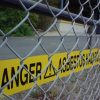
How Slow Moving Asbestos Regulations Compromise Health
Last year, the United States introduced a new asbestos rule that was received both positively and negatively and Canada banned the mineral altogether. Countries like the U.K. and Australia continue to struggle with the health implications of historic asbestos use, despite both having bans for several years. In contrast, nations like Russia and Vietnam continue to manufacture and use the mineral frequently.
UN Welcomes ‘Most Comprehensive Agreement Ever’ on Global Health
Describing it as an “important landmark” on our “journey to health for all”, Secretary-General António Guterres on Monday welcomed the UN Political Declaration on universal health coverage, or UHC, which commits countries to advance towards full coverage for their citizens in four major areas around primary care.
The Social Impact of Economic Inequality
Increasing economic inequality is a defining challenge of our time. In recent years, it has triggered analysis and reflection by many scholars, politicians and others on its causes and consequences on economic growth and efficiency, politics and democracy, human rights, individual behaviors, access to health, social cohesion and environmental degradation. The perception that the top 1% of income earners are gaining at the expense of the other 99% has resulted in widespread public debates in many countries on the social and political repercussions of inequality.
Women In Leadership: A Q&A with President Sahle-Work Zewde
Women Deliver President/CEO Katja Iversen discusses women in leadership and links between sexual and reproductive health and rights and Universal Health Coverage (UHC) to advance gender equality with the first female President of Ethiopia, Sahle-Work Zewde.
Do Women Suffer Greater Loss of Employment than Men in Morbidity?
In a life peppered with tragedy, Mary Shelley wrote in 1818, “Have I not suffered enough, that you seek to increase my misery?” That this accurately sums up the fate of many women in South Asia who suffer a major health shock such as a serious illness or a disability or both, is hard to dispute.
UNAIDS and WHO Africa Leaders Should Prioritize Women’s Health
Two African women were recently appointed to top global health positions: Winnie Byanyima as the Executive Director of UNAIDS and Dr. Matshidiso Moeti reappointed as the World Health Organization (WHO) Regional Director for Africa.
Translating Ambition to Action: High Hopes for United Nations Action Week
In less than 10 days, countries from around the planet will come together in New York for the United Nations Secretary General’s Climate Action Summit. I look forward to representing the Pacific Community (SPC) at this important event, and throughout “Action Week” during the upcoming UN General Assembly.
A New World? Are the Americas Returning to Old Problems?
When I in 1980 first arrived in America it was a new world to me. I went from New York to Puerto Rico and the Dominican Republic and like so many visitors and migrants before me I was overwhelmed by both familiar and strange impressions. Familiar due to books I had read and movies I had seen, strange since I encountered unexpected things and new because both I and several of those I met compared themselves to the “old world”, i.e. Euroasia and parts of Africa.
Calls for Reform, Research and Reorganisation in Leprosy Healthcare
Rachna Kumari of Munger in Eastern India’s Bihar state is not yet 30. But she's already been married at 18, abandoned by her husband after she was diagnosed with leprosy and become an award-winning advocate of the disease. She has traversed a long road. And this week she undertook another step in her journey to fly to Manila, Philippines, as a delegate at the 20th International Leprosy Congress (ILC).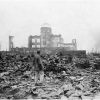
The Push for Peace-From the Global Village to the Global Neighborhood
From the ashes of a tragedy that wiped out almost 90% of the city of Hiroshima on 6 August 1945, an institute called the Hiroshima Peacebuilders Center (HPC) rose like a phoenix of hope that is pioneering the creation of a global pool of peacebuilders. It is driven by the 2030 Agenda for Sustainable Development declaration that "there can be no sustainable development without peace and no peace without sustainable development.”
‘Conference Emphasises Need for Partnerships to Create a World Without Leprosy’
Forty years ago, Yohei Sasakawa saw his father moved to tears after meeting and witnessing the suffering of people affected by leprosy – also known as Hansen’s disease. Not only did the patients have a physical illness, but they also suffered from social exclusion and discrimination. It made the young Sasakawa vow to work for the elimination of leprosy from the world – just as his father had been doing.
Nothing For Us, Without Us – Hansen’s Disease-Affected Tell International Gathering
Stronger government action to fight stigma and discrimination, more government funding for health and non-health support programmes, and a larger role for people’s organisations in developing policy towards Hansen's disease treatment and eradication are still needed for eliminating the disease.
The Emergence of a Global Voice for Hansen’s Disease Affected Persons
The Global Forum of People’s Organisations on Hansen’s Disease, which was attended by members of people’s organisations from 23 different countries, wrapped up in Manila, Philippines, today Sept. 10 after four days of discussion and deliberation. The main outcome was a set of recommendations, which included participants stating that those affected by the disease should have more inclusive roles in the global campaign against leprosy.
Vaping Fad Boosts Dangerous Nicotine Addiction
Smoking-related diseases are the major causes of premature death worldwide. Every year, six million smoking-related deaths are reported worldwide. If current smoking trends persist, 8 million deaths can be expected by 2030, of which four-fifths will occur in lower- and middle-income countries.
‘Join Me on this Journey’ to Eliminate Leprosy – WHO Ambassador
Octogenarian Yohei Sasakawa has travelled to more than 90 countries across the globe; from areas of conflict, to the jungles of Brazil, shaking hands, hugging and washing the feet of Hansen’s disease-affected people. His message is simple: Stop stigmatisation and eliminate the disease. 
Awareness Should be the Priority in Public Health Efforts against Leprosy
Increasing awareness of the continuing existence of Hansen’s Disease (leprosy) is critical to sustaining effective public health efforts against the disease, eliminating the social stigma associated with it, and halting its transmission.
Civil Society Urges Inclusive, Resilient & Sustainable Urban Areas of the Future
The United Nations held its first major international conference in one of America’s mountain states, bringing scores of civil society organizations (CSOs) to discuss ways on making “cities and human settlements inclusive, safe, resilient and sustainable by 2030.”
Global Network Key to Strengthening Leprosy Organisations
Organisations of people affected by Hansen’s Disease or leprosy agree that a global network of volunteer groups is key to eradicating the disease, but concrete steps need to be taken to move the idea from an often-discussed concept to a reality.« Previous Page — Next Page »


 Bangladesh: Sarid, born one month early, receives specialized newborn care and grows stronger every day. Credit: UNICEF/UNI944397/Mojumder
Since the onset of the 2000s, global life expectancy has seen an overall rise, attributed to significant technological and scientific innovations in healthcare. Due to an increased understanding of different conditions as well as a rise in cooperation among healthcare experts around the world, there have been major strides made in ensuring that as few people die from chronic illnesses as possible. Despite the belief that healthcare is a fundamental human right, people from low- or middle-class backgrounds, marginalized groups, and underdeveloped countries have far more limited access to basic healthcare services.
The COVID-19 pandemic showed how marginalized communities are disproportionately affected by health crises, proving that we have much work to do in ensuring that no one dies of terminal conditions. While the global response to the coronavirus saw significant strides in immunization and vaccine development, the global outbreak of mpox in 2022 and its upsurge in parts of Africa in 2024 must remind us to remain vigilant.
Other major disease outbreaks in recent years have been linked to the destruction of infrastructure during warfare. Notably, in 2024, the Gaza Strip witnessed a return of the poliovirus since its eradication in the region 25 years ago. Israel’s blockade on Gaza has resulted in the collapse of the region’s sewage plants and desalination plants, and also destroyed healthcare capacities. The UN stated that this lack of clean water and sanitation would lead to an outbreak of cholera and other deadly infectious diseases. The 2026 OCHA Humanitarian Situation Report confirmed that the over two years of conflict in Gaza has produced a catastrophic health emergency, with millions remaining dependent on relief aid amid tight restrictions and no functioning public health system.
IPS is committed to providing full and comprehensive coverage on healthcare challenges around the world. IPS seeks to address the multifaceted causes of such challenges, including unprecedented pandemics, conflict-driven disease outbreaks, as well as socioeconomic barriers to equal healthcare access. IPS is also dedicated to reporting on innovations in the healthcare industry.

The Week with IPS

NEXT STOP - SDGs
Tracking global progress towards a sustainable world
Tracking global progress towards a sustainable world
