Languages
Tuesday, November 17, 2026



News and Views from the Global South
Human Rights
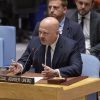
U.N.’s Islamic State Probe Unit Kicks into Gear
A United Nations-backed probe into atrocities committed by the so-called Islamic State (IS) group in Iraq has frequently been criticised for making slow progress during its first two years of operations. Lately, that could be changing.
Spirit of Olympics & UN’s Development Agenda
As I reflect on the varied views and perspectives that emerged during the Human Rights Council’s Social Forum 2018--- where the theme of Olympic ideal and inclusive sports and their contribution to the promotion of the human rights, peace and development through sports were extensively deliberated on-- I observed an immediate connect with the preparations that are currently underway for the hosting of the Olympics 2024 in France.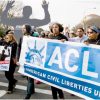
Pompeo’s New “Human Rights” Commission Is Up To No Good
The Trump administration appears to be trying to find moral footing for the president’s discriminatory policies. Last week, Secretary of State Mike Pompeo formally announced the creation of a “Commission on Unalienable Rights.”
Early Detection is the Solution for Hansen’s Disease
 On Jun. 27, Faustino Pinto was in Geneva, Switzerland, where he spoke to people at the United Nations about the fight against Hansen's Disease and the stigma surrounding it, at a meeting during the 41st session of the Human Rights Council.
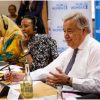
Women Are Pivotal in the War on Terror
On 10 July 2019 I was honored to moderate a meeting with women’s groups for the UN Secretary General Mr. Antonio Guterres, whose aim was to better diagnose the role of women in the prevention or instigation of violent extremism.
A Relentless Battle Against Poverty & Hunger in World’s Most Populous Region
The world’s two most populous nations-– China and India—have been making steady progress in eradicating extreme poverty, but have fallen short in their attempts to eliminate extreme hunger, according to the Bangkok-based UN Economic and Social Commission for Asia and the Pacific (ESCAP).
Prejudice and Discrimination, the Uncured Ills of Leprosy
“The ambulance team refused to take my sick friend to the hospital because he had had Hanseniasis years before," said Yohei Sasakawa, president of the Nippon Foundation, at one of the meetings held during his Jul. 1-10 visit to Brazil.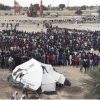
Migrants, Militias & the Mediterranean Sea
When the Italian police recently arrested Carola Rackete, captain of the Sea-Watch 3 search and rescue vessel, the Central Mediterranean Sea suddenly entered the international limelight once again.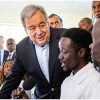
Community Action Is a Critical Weapon in the War on Terror
During the egregious Dusit attack, Kenya demonstrated remarkable, resilience, solidarity and stood firm against the terrorists.
Let’s Talk About Sex – and Why Power Matters
Every year on World Population Day (July 11), UNFPA receives queries from journalists about the total number of people around the world. Numbers are indeed important because they help governments develop policies that respond to evolving needs for services such as education and health.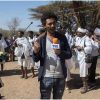
In Era of Reform, Ethiopia Still Reverts to Old Tactics to Censor Press
On June 22, Ethiopia was plunged into an internet blackout following what the government described as a failed attempted coup in the Amhara region.
Right to Information in Latin America & the Caribbean
Transparency is a critical element of making governance more effective. By making information available, it creates a foundation for greater accountability to citizens.
The Libyan Disaster: Little Bits of History Repeating
The Libyan catastrophe and the suffering of ”illegal” migrants are generally depicted as fairly recent events, though they are actually the results of a long history of greed, contempt for others and fatal shortsightedness. Like former Yugoslavia, Libya was created from a mosaic of tribal entities, subdued by colonial powers and then ruled by an iron-fisted dictator. Now, Libya is a quagmire where local and international stakeholders battle to control its natural resources. The country holds the largest oil reserves in Africa, oil and gas account for 60 percent of GDP and more than 90 percent of exports.1 This is one reason why Egypt, France, Russia, Saudi Arabia, the U.S., and many other nations are enmeshed in Libya. Furthermore, European nations try to stop mainly sub-Saharan refugees and migrants from reaching their coasts from Libya. An attempt to understand Italy´s essential role in the struggle over Libya´s oil and attempts to control unwanted immigration may help to clarify some issues related to the current situation.
Africa’s Megacities a Magnet for Investors
Megacities, cities with a population of at least 10 million, are sprouting everywhere in Africa. Cairo in Egypt, Kinshasa in the Democratic Republic of the Congo (DRC) and Lagos in Nigeria are already megacities, while Luanda in Angola, Dar es Salaam in Tanzania and Johannesburg in South Africa will attain the status by 2030, according the United Nations.
Media and Web Freedom Threatened in Sudan Turbulence
The United Nations has condemned an internet shutdown and the blocking of social media channels during Sudan’s political crisis, as fears persisted over a crackdown on media freedoms in the turbulent African country.
Of Leaders Then and Now
Richard Dossevi parks his motorcycle taxi on one of the busiest street corners in Cotonou, Benin's commercial capital, to wait for commuters amid the summer heat.
We Can Get the 2030 Agenda Back on Track – With More Empowered, Inclusive, & Equal Partnerships
The 2030 Agenda for Sustainable Development, universally adopted in 2015, is a plan to create a better and more sustainable future for all in just 15 years, through 17 Sustainable Development Goals (the SDGs). It sounds implausible.
Australia’s Forgotten Asylum Seekers
As the focus of Australian politics shifts away from refugee and asylum-seeker policies, the government avoids accountability for inhumane actions.
Libya Tragedy: Why Lock up Migrants in the First Place?
A military strike on a detention centre for migrants in Libya that claimed dozens of lives on Wednesday Jul. 3 has reignited a debate over the poor treatment of the mainly African people who transit through the turbulent country.
Indigenous Communities Head Towards Energy Self-Sufficiency in Guatemala
Because the government has never provided them with electricity, indigenous communities in the mountains of northwest Guatemala had no choice but to generate their own energy. 
Sri Lanka on Security Alert Long After Easter Bombings
Sri Lanka continues to be on a security alert long after the devastation caused by a string of bombings on Easter Sunday this year. Raisa Wickrematunge, Editor of Groundviews, told IPS: “There has been a tightening of security. There are now security checks being carried out outside hotels and shopping malls - either through scanners or bag and body searches”.« Previous Page — Next Page »


One world, one humanity, now one court to defend its rights. Another step towards universal human rights, but not remotely a step far enough. The United Nations adopted the Universal Declaration of Human Rights more than half a century ago, but that has done little to stop violations the world over, just as the Geneva Convention has not protected prisoners of war enough. Democracy itself and the freedom it presupposes has not been protective enough. This is the century to move from politicisation of human rights towards humanising political ways. IPS keeps an eye on that difficult path.

The Week with IPS

NEXT STOP - SDGs
Tracking global progress towards a sustainable world
Tracking global progress towards a sustainable world
