Languages
Friday, November 27, 2026



News and Views from the Global South
Human Rights

Q&A: ‘Baloch Groups to Unite Against Pakistan’
Fighters in the Balochistan province of Pakistan will soon set up a common front to take on the Pakistani military in their fight for Baloch independence, a senior commander of the Balochistan Liberation Front tells IPS in an interview.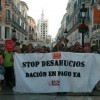
Defying Foreclosures in Spain
Shouting slogans against bank foreclosures, dozens of protesters in this southern Spanish city gathered Wednesday to prevent the eviction of a Moroccan family who couldn’t afford to meet their mortgage payments.
Sorting Out Mexico City’s Chaotic Transport System
Greater integration of public passenger transport is a major challenge facing the next government of the Mexican capital, one of the most traffic-congested cities in the world, if it wants to guarantee people the right to mobility.
Rights Report on Iran Highlights Executions, Political Prisoners
More than a year into his mandate, Ahmed Shaheed, the U.N. Special Rapporteur on Human Rights in Iran, told the Third Committee of the U.N. General Assembly this week that the rights situation in Iran remains critical, especially as it pertains to human rights defenders, journalists, and religious and ethnic minorities.
Japan Struggling to Store Nuclear Water*
Japan's crippled nuclear power plant is struggling to find space to store tens of thousands of tonnes of highly contaminated water used to cool the broken reactors, the manager of the water treatment team has said.
Egypt Revolution Makes It Worse for Women
During the uprising that toppled Egyptian dictator Hosni Mubarak women stood shoulder to shoulder with men in Cairo’s Tahrir Square, pressing the revolution’s demands for freedom, justice and dignity. But those who hoped the revolution would make them equal partners in Egypt’s future claim they may be worse off now than under Mubarak’s authoritarian rule.
Cattle Smugglers Thwart Pious Muslims
Muslims around the world will soon celebrate Eidul Azha, otherwise known as the ‘feast of the sacrifice’, the second most important festival day on the Islamic calendar.U.S. Muslims Could Be Critical Voting Bloc
With Barack Obama and Mitt Romney virtually tied with Election Day less than two weeks away, Muslim voters could play an unexpected critical role in deciding the outcome Nov. 6.Khartoum Fire Blamed on Israeli Bombing
Sudan has accused Israel of bombing a military arms factory, threatening retaliation after a resulting fire killed two people and injured a third.CENTRAL ASIA: Disabled Citizens Find Avenues to Advancement Blocked
As a child, Feruza Alimova dreamed of becoming a lawyer so she could help disabled people.
Adultery Laws Unfairly Target Women, U.N. Says
When one of the Asian countries embraced Islamic Sharia law back in the 1990s, the rigidly conservative government threatened to enforce a provision that called for convicted adulterers to be stoned to death.
‘Malala’s Cause Is Our Cause’
Less than two weeks after being left for dead by the Taliban, Malala Yousafzai is standing up on her own two feet.
Migrant Women Trapped in Sex Trade
When French police broke up a Nigerian human trafficking ring that allegedly forced young migrant women into prostitution, the arrests cast a sharp light on the plight of what the authorities called “modern-day slaves”, here and throughout Europe.
For U.S. Voters, “Faith” Often Means Political Party, not Religion
While religious coalitions in the United States have remained generally stable during the 2008 and 2012 president election campaigns, new research released here on Tuesday suggests far more complexity among what is often called the U.S. “values voter”.
U.S.: Greater Middle East Dominates the Last Debate
U.S. strategy in the Greater Middle East, which has dominated foreign policy-making since the 9/11 attacks more than 11 years ago, similarly dominated the third and last debate between President Barack Obama and Governor Mitt Romney Monday night.Jewish, Christian Groups Clash Over U.S. Aid to Israel
Jewish groups have reacted furiously to a letter to Congress by 15 leaders of Christian denominations asking for a review of whether some of the three billion dollars in annual United States aid to Israel is being used in violation of U.S. law and policies.Fighting Abusive Rates on Loans and Credit Cards*
The parliaments of El Salvador and Guatemala are debating bills aimed at halting abusive loans and high credit card costs. But the initiatives have run up against strong opposition from the financial sector.Chile Deports Non-Violent Foreign Prisoners
Chile is releasing and deporting foreign inmates, mainly in prison on drug trafficking charges, as part of a broader attempt at improving conditions in this country’s overcrowded prisons.
Q&A: “Developing Countries Are Doing Their Part for Biodiversity”
Developing countries are investing enormously in preserving biological diversity, and it is unimaginable that the wealthy nations will not fulfill their obligations to provide funding for these efforts, Brazilian environmental negotiator André Aranha Corrêa do Lago told Tierramérica*.
Christians Worry Over a Future in Egypt
The tranquil, green, upper class Cairo suburb Maadi is a bubble of privilege separated from the city’s noisier, dirtier and overcrowded suburbs where working class Egyptians struggle to make ends meet and where Egypt’s Muslim Brotherhood (MB) has established a strong following.
U.S.: 50th Anniversary of Cuban Missile Crisis Offers Lessons for Iran
It was exactly 50 years ago when then-President John F. Kennedy took to the airwaves to inform the world that the Soviet Union was introducing nuclear-armed missiles into Cuba and that he had ordered a blockade of the island - and would consider stronger action - to force their removal.« Previous Page — Next Page »


One world, one humanity, now one court to defend its rights. Another step towards universal human rights, but not remotely a step far enough. The United Nations adopted the Universal Declaration of Human Rights more than half a century ago, but that has done little to stop violations the world over, just as the Geneva Convention has not protected prisoners of war enough. Democracy itself and the freedom it presupposes has not been protective enough. This is the century to move from politicisation of human rights towards humanising political ways. IPS keeps an eye on that difficult path.

The Week with IPS

NEXT STOP - SDGs
Tracking global progress towards a sustainable world
