Languages
Monday, June 29, 2026



News and Views from the Global South
Women's Health
LATIN AMERICA: Plan to Eradicate HIV, Syphilis in Newborns in Five Years
With the right treatment, mother-to-child transmission of congenital syphilis and HIV, the AIDS virus, can be prevented. But every year, thousands of babies are still being born with these diseases in Latin America and the Caribbean.Success of “The Pill” Overshadowed by Family Planning Gaps
The birth control pill, currently used by an estimated 100 million women worldwide, commemorated its 50th anniversary last week - but remains controversial in some quarters.
ECUADOR: Fewer Mothers Dying Thanks to “Model” Law
Seventeen-year-old Miriam Toaquiza is the only occupant of the teenage mothers' ward in the public hospital in this Andean city. Beside her in the bed is Jennifer, her newborn baby.
SIERRA LEONE: Bold Plan for Maternal Health
A woman alone: Josephine Bangali fetches water from the well to set to boil over a wood fire so she can sterilise her instruments.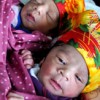
PAKISTAN: Lack of Access to Contraception, Abortion Persist
Perween Riaz, 36, waited till after she gave birth to her sixth child before she finally got herself sterilised.NICARAGUA: Controversy Over Pregnancy-Related Death Toll
Non-governmental organisations in Nicaragua are questioning data on the maternal mortality rate released by the government, which is claiming a historic decline in the indicator, and they warn that the reduction target that the country has committed itself to by 2015 is still out of reach.HEALTH: Maternal Deaths Drop, but Progress Still “Slow”
One day closer to an ever-approaching deadline to achieve the Millennium Development Goals (MDGs), U.N. Secretary-General Ban Ki-moon announced a Joint Action Plan to improve reproductive, maternal and newborn health on Wednesday, flanked by international leaders and development experts.HEALTH: Empowering Women to Slash Mother and Child Deaths
In developed countries, child and maternal mortality is a health problem that has largely been solved.
Q&A: Equality for Women – “The Core of the Problem is Care”
"Women help to reduce poverty and raise family incomes, but they pay too high a price for it, because in every country their working days are longer than men's," said Sonia Montaño, head of the Economic Commission for Latin America and the Caribbean's (ECLAC) Division for Gender Affairs.HEALTH-INDIA: Trained Birth Attendants Save Rural Mothers’ Lives
It was her fourth unplanned pregnancy, but Sani Jani still made it a point to have a monthly checkup at the nearest primary health centre – even if she always had to walk two kilometres to get there.RIGHTS-FIJI: Law Enforcement Approach to Sex Work Falls Short
Two months after a new anti-prostitution law took effect, taxi driver Shiu Kumar says he sees fewer sex workers along Victoria Parade, the centre of Suva’s nightlife. But while this has had a negative effect on his nighttime fares, he is nevertheless happy about the law.
HEALTH-KENYA: Funding Threatens AIDS Prevention
Pregnant mothers who are HIV-positive could soon find it challenging to access life-saving HIV drugs because Kenya was denied 270 million dollars in funding from the Global Fund to Fight AIDS, Tuberculosis and Malaria.U.S.: Obama Criticised for Health Package Abortion Ban
The largest civil liberties group in the U.S. faulted President Barack Obama for signing an executive order on Wednesday that bans federal funds from being used for abortion procedures and revives funding for expired abstinence-only sex-education programming.RIGHTS-UGANDA: Bearing the Pains of Double Discrimination
They endure stigma, discrimination, violence and extreme poverty, but Ugandan women living with disabilities say the greatest challenge facing them centres on their reproductive health.HEALTH-US: Maternal Deaths on the Rise
Despite the fact that the United States spends more on maternal health than any other country in the world, deaths in childbirth among U.S. women are on the rise and already surpass the morbidity rates in most developed countries.DEVELOPMENT-KENYA: Rapid Population Growth Threatens Development
Margaret Atieno, a 38-year-old mother of six, says she wanted to avoid her last pregnancy. But consistent stock-outs of contraceptive devices at her health care centre in rural Siaya, western Kenya, gave her no choice but to fall pregnant once again, albeit the fact that she did not want another child.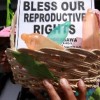
PHILIPPINES: Reproductive Health Tests Candidates’ Political Guts
Filipino voters who have yet to make up their minds about their choice for their next president are being advised: look at each aspirant’s stance on reproductive health to help them gauge the candidate’s leadership mettle and political guts.
LATIN AMERICA: Abortion – Still Illegal, Still Killing, Despite Growing Awareness
Although most of the governments in Latin America today are described as progressive, abortion is only legal in one country, while in five countries it is banned under all circumstances, even when the mother's life is at risk.GUATEMALA: Off Track for Millennium Development Goals
Guatemala knows that when it comes time to demonstrate compliance with the Millennium Development Goals (MDGs), a set of global anti-poverty and development target to be met by 2015, it will make a poor showing.
BOLIVIA: Cash for Checkups to Slash Maternal Deaths
A social programme in Bolivia that prevents the deaths of two mothers a day from complications related to pregnancy and childbirth is making headway despite administrative difficulties, and has the potential to cut the alarmingly high maternal mortality rate in this country by up to 80 percent in just five years.PAKISTAN: Emergency Contraception More Popular, But Myths Abound
The first time he and his wife had an ‘accident’, 40-year-old Kamran Rehman worried that they may have inadvertently paved the way for child number three. A chemist he consulted, however, recommended that his wife try the emergency contraceptive pill (ECP).« Previous Page — Next Page »


Worldwide, women’s health is a serious issue. The result of a wide diversity of factors, most notably insufficient access to education, women’s health issues must be addressed. Without access to proper schooling, many girls grow up without the necessary understanding of reproductive health. Due to this, reproductive issues and sexually transmitted infections plague women in developing countries. Women struggle to battle infections such as HIV. The lack of relevant services, coupled with the lack of women’s rights pertaining to their own health, are some of the serious issues that these stories seek to explain.

The Week with IPS

NEXT STOP - SDGs
Tracking global progress towards a sustainable world
Tracking global progress towards a sustainable world
