Languages
Friday, November 20, 2026



News and Views from the Global South
Asia-Pacific
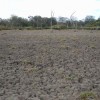
As Temperatures Rise in Sri Lanka, Drought Wreaks Havoc
It is a time of extreme heat and anxiety in Sri Lanka. Even the rains last week felt like a sudden burst of cold water on the smouldering asbestos sheets on most Sri Lankan household roofs, creating a blast of cold air before the heat returns once the rains end.Police Case for Iranian Bomb Plot Based on Tainted Evidence – Part 2*
The "Special Cell" of the Delhi police has identified an Iranian, Houshang Afghan Irani, as the man it believes carried out the Feb. 13 car bombing at the Israeli embassy in New Delhi that injured the wife of an embassy official. The police believe three other Iranians were also involved in the plot.
Shifting to Renewables in Japan – An Uphill Task
Renewable energy is emerging as the “clinch deal” in Japan`s painful power crisis that pits the government and business against public demand for zero nuclear power. But experts say the going is easier said than done.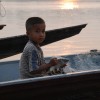
Study Damns Mekong Dams
Impoverished Laos is unlikely to cancel a Thai project to build a mega dam across the Mekong River at Xayaburi, despite warnings from the International Union for Conservation of Nature (IUCN) that it could devastate the region’s rich biodiversity.
Organ Trafficking Resurfaces in Pakistan
About two months back, 28-year old Asif Ahmed* put up an announcement on the internet to sell one of his kidneys.Evidence in Delhi Embassy Bombing Suggests Journalist Was Framed – Part 1*
New Delhi police officials have released hundreds of pages of documents from their investigation into the Feb. 13 bombing of an Israeli Embassy car. The documents aimed to show that a well-known Indian Muslim journalist aided an Iranian conspiracy to plan and carry out the bombing.
Philippines Floods Prompt Climate Action
This year’s floods, one of the worst in Philippine history, destroyed a staggering 57 million dollars worth of crops, pushing this climate vulnerable country to implement disaster risk reduction measures.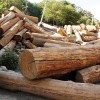
Whose Timber is it Anyway?
With Pakistan’s last major stands of deodar (cedar) threatened by a ‘timber mafia’, the local people in the Chitral district of Khyber Pakhtunkhwa province are resorting to direct action to stop the denudation of their picturesque alpine homeland.
Why Are Hindus from Pakistan Crossing Over to India?
Narain Das, a cloth merchant from Jacobabad in northern Pakistan, blesses his lucky stars that he has three sons, aged 18, 16 and 12. “If they were daughters, I, too, would seriously be thinking of migrating from here,” he reflects on the lack of protection his community faces.
‘World’s Richest’ Tag Not So Rosy for Average Citizen in Singapore
Singapore was recently ranked as the world’s richest country. But there is much scepticism about such rankings among average citizens here.UZBEKISTAN AND KYRGYZSTAN: Smugglers Own the Night
During the day, when Uzbek border guards patrol its streets, Mingdon is a sleepy Ferghana Valley town. But after night falls, Mingdon, a hamlet of 10,000 on Uzbekistan’s frontier with Kyrgyzstan, turns into a smugglers’ paradise.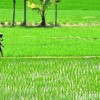
Study Links Kidney Disease in Sri Lanka’s Farm Belt to Agrochemicals
A new report links the high prevalence of chronic kidney disease in Sri Lanka’s main agricultural production regions with the presence of heavy metals in the water, caused by fertiliser and pesticide use.
Beating the Weather With Sustainable Crops
Narrow, cobblestoned lanes separate the rows of mud houses with cool interiors and mud-smoothened patios, some with goats tethered to the wooden posts. This is Tajpura village, deep in this water-stressed, drought-prone region of northern India.
A Plea to a Pirate
The simple sentences six-year-old Minadi writes on paper should delight her mother. Instead, Vilasini Wakwella despairs over their content.
Donors Turn Their Backs on Taliban
For the past five years Sharifullah Shah, a local doctor from the conflict-ridden North Waziristan province in Pakistan, has handed over 500 dollars to the Taliban during the month of Ramadan. But this year, he is putting his money straight into the Edhi Welfare Centre, where he knows it will reach those in need.
Rights Issues Mar Sri Lanka-EU Trade
Sri Lanka is in for some hard bargaining when it negotiates a new aid pact in 2013 with the European Union (EU), which withdrew a key trade concession two years ago over this country’s human rights record.
Cambodia’s Hydro Plans Carry Steep Costs
The Cambodian government has committed to the construction of two dams along the Mekong River in order to meet a huge demand for electricity, but environmental groups warn that severe repercussions loom for this strategy.World Bank Releases Draft Strategy for Myanmar
Following on calls by civil society, the World Bank has released a draft summary framework for its re-engagement with Myanmar over the next year and a half. The formal interim strategy is slated to be ready by the end of October.Disputes Arise Over Cambodia’s Killer Illness
The deaths of dozens of Cambodian children in recent months from an initially undiagnosed disease has highlighted the difficult balancing act between informing the public and potentially provoking panic.
No Homecoming Where Taliban Rules
Nematullah Wardak from Sayedabad in Maidan Wardak province works in Kabul. For two years he has not returned to his village, a bus journey from the Afghan capital, for fear of the Taliban.
Bangladesh ‘Fixes’ Grameen Microcredit
Laboni Vhoumik’s lingerie manufacturing unit in the Gopai village of Noakhali district, about 180 km outside the capital, is a forceful argument in favour of the Grameen Bank microcredit model that fosters female entrepreneurship and also relies on it.« Previous Page — Next Page »


The Week with IPS

NEXT STOP - SDGs
Tracking global progress towards a sustainable world
Tracking global progress towards a sustainable world
