Languages
Tuesday, November 10, 2026



News and Views from the Global South
Global
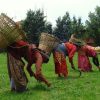
Rural Women Work the Hardest, Produce the Most, Eat the Least
Make no mistake. Violence against women has been perpetuated, specially when it comes to those who have already been deprived of their basic human rights, as it is the case of rural women in over two-thirds of the world.
World Food Day 2022 Call to Action as 828M People Go Hungry
In this year alone, the global impact of compounding crises demonstrates, more than ever, why food scarcity must be addressed internationally and how there must be a shift in the food and agricultural systems.
IPBES, IPCC Joint Winners of the Gulbenkian Prize for Humanity 2022 Dedicated to Climate Change
IPBES’ assessment report on the Sustainable Use of Wild Species, released in July 2022, painted a troubling picture of the ongoing global biodiversity crisis that could paralyse economies and endanger food security and livelihoods.
Millions of Girls Abused in the Name of Toxic Masculinity
A common feature to religions – including the monotheistic ones – is that groups of males have self-proclaimed themselves as the source for interpreting the “Word of God,” shaping them, and spreading them among the peoples of good faith.
How Digital Can Drive a Green Recovery
As much of the world was starting to glimpse recovery from the COVID-19 pandemic, it now finds itself amid a cost-of-living crisis brought on by disruptions in global energy and food markets that are the result of conflict and climate change.
Reform Needed As Big Business, Not Vulnerable Communities Benefit from Post-Pandemic Support
Governments and international financial institutions must adopt new ways of providing post-pandemic support, say campaigners after a report found that in many poorer countries, big business benefitted most from Covid-19 recovery funds. At the same time, vulnerable communities have been “left behind.”
Development Banks Should Reform Their Lending Practices
In the last week of September, emerging market (EM) bond fund outflows hit $4.2 billion, according to JP Morgan, bringing this year’s total to a record $70 billion. The exodus, set off by a rising U.S. dollar, is heaping pressure on low-income countries.
How to Get on Track to Eradicate Extreme Poverty
As we approach 2030, the Sustainable Development Goals look harder than ever to achieve. Shocks to the global economy caused by climate change, COVID-19, and conflict threaten humanity's survival. For the most vulnerable, trends are moving in the wrong direction with an additional 75 to 95 million people now living in extreme poverty compared to pre-pandemic World Bank projections. By the end of this year more than 657 million people will still be living in extreme poverty substantially more than in 2018.
Central Bank Myths Drag down World Economy
The dogmatic obsession with and focus on fighting inflation in rich countries are pushing the world economy into recession, with many dire consequences, especially for poorer countries. This phobia is due to myths shared by most central bankers.
UN Censures 42 Nations for Retaliating Against Human Rights Activists & Journalists
The United Nations has singled out 42 countries (out of 193 member states) for condemnation-- virtually blacklisting them-- for retaliating against human rights activists and journalists
More Than 1,700 Environmental Defenders Were Killed in the Last Decade
Since November 2020, the threats, intimidation and pressure I have experienced due to my work in defence of human rights and nature are similar to those suffered by dozens of leaders living in the region. I have lived through the assassinations of three friends and environmental leaders.”
The Allure of Strongmen
After President Putin had given a speech, garnered with accusations and myths, a mega-show at the Red Square celebrated the re-entry of four Ukrainian regions to the bosom of Mother Russia. This while a mass mobilization was preparing to throw hundreds of thousands of young men into the hell of war. Why are people trusting, supporting and even admiring a political leader like Putin? One of many reasons might be his stance as Supreme Leader, a Strongman.
Successful Climate Solutions Require Investment in the Lives of Adolescent Girls
This year commemorates the 10th anniversary of the International Day of the Girl Child. While the last decade has seen greater attention on the positive development needs of girls, we must move beyond documenting the barriers that girls face to investing in and prioritizing girl-centered solutions to the critical development challenges of our world.
Journalists, Under Threat, Need Safe Refuge Through Special Emergency Visas
“This woman sitting next to me, Maria Ressa, is a Nobel laureate and a convicted criminal,” said barrister Amal Clooney, who co-leads the international legal team representing Ressa. The founder of news website Rappler, Ressa has been targeted with a barrage of legal charges intended to stop her journalism in the Philippines.
Ideology and Dogma Ensure Policy Disaster
Central banks (CBs) around the world – led by the US Fed, European Central Bank and Bank of England – are raising interest rates, ostensibly to check inflation. The ensuing race to the bottom is hastening world economic recession.
Population Growth Diversity Continuing in the 21st Century
While the world’s population of 8 billion is continuing to increase and projected to reach 9 billion by 2037 and 10 billion by 2058, considerable diversity in the population growth of countries is continuing in the 21st century.
The Fatal Attraction of the City
While cities are seen as a symbol of glamour and comfort for a number of their residents, over one billion people continue to live in overcrowded settlements with inadequate housing. And their number is rising every single day.
UN Plans a New Mobility Scheme Where Staffers will be Forced to Work Overseas
The United Nations is planning to introduce a new “mobility policy” under which staffers based in New York and other Western capitals will be mandated to serve in overseas missions and field services in Asia, Africa, the Middle East and Latin America, including the UN’s 12 peacekeeping operations.
UN’s High-Level Meeting of World Leaders Falls Short of Gender Empowerment
When the UN’s high-level meeting of world leaders concluded last week, the head count seemed lopsided: 190 speakers, including 76 Heads of State, 50 Heads of Government, 4 Vice-Presidents, 5 Deputy Prime Ministers, 48 Ministers and 7 Heads of Delegations—overwhelmingly male.
Go and Tell the Hungry that Their Food Is Being Thrown in the Garbage
These are facts, not guesses: about 1.3 billion tons of food is wasted and lost… every single year, the equivalent of one ton per each of the one billion hungry people, many of them are those who produced the food.
Measuring Human Rights – PODCAST
 Welcome to Strive podcast, where we chat with new voices about fresh ideas to create a more just and sustainable world. My name is Marty Logan.
« Previous Page — Next Page »





The Week with IPS

NEXT STOP - SDGs
Tracking global progress towards a sustainable world
Tracking global progress towards a sustainable world
