Languages
Wednesday, November 11, 2026



News and Views from the Global South
Global

Reasonable Left, Irresponsible Right: & the Future of Social Democracy
With no shortage of catastrophes in the past 15 years worldwide — the democratic left is stepping up to provide stability amid the storm. Throughout the history of mankind, there have been catastrophes. In modern times, there have also been media representations of catastrophe, including worked-up or even imagined catastrophes.
From Indonesia to India: Is There Hope for Anti-Corruption Efforts Within the G20?
As global crises mount, the G20 is proving unable to find solutions. Political disagreements within the bloc- including most prominently with Russia over the ongoing war in Ukraine- have hamstrung collective efforts.
We Must Ensure That Climate Funding Reaches the Guardians of the Forests
US $270 million may sound like a lot of money, especially for just one year. But it is only a small fraction—less than one percent—of all global funding for climate change adaptation and mitigation. This small fraction, however, is the annual amount that was invested in the tenure and forest management of Indigenous Peoples and local communities (IPs and LCs) over the past decade.
We Need Urgent Commitment, Resources & Action to Tackle Hunger Crisis
Last week, as world leaders gathered in New York for the 77th United Nations General Assembly, one topic came up more than most: looming famine. That’s because despite a global commitment to make famine a relic of the past, it is once again knocking at our door.
Inflation Phobia Hastens Recessions, Debt Crises
Inflation phobia among central banks (CBs) is dragging economies into recession and debt crises. Their dogmatic beliefs prevent them from doing right. Instead, they take their cues from Washington: the US Fed, Treasury and Bretton Woods institutions (BWIs).
Of the Mexican Joke and the Nuclear Top Guns
A Mexican joke goes: “I kill people for money. But you are my best friend, so I will kill you for nothing.”
“Global Peace Education Day” can Play a Pivotal Role in Transforming Education
Just a week ago, the international community commemorated the adoption of the United Nations Declaration and Programme of Action on a Culture of Peace, a monumental document that transcends boundaries, cultures, societies, and nations.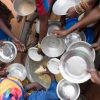
A World of One Billion Empty Plates
Have you eaten today – or are sure you will? The answer depends on where you were born and where you live now. If you are Spanish or live here, you likely did or will, provided that you are not one of this European country’s 900.000 inhabitants who face some sort of hunger, malnutrition or undernourishment.
Civil Disobedience – How to Make Enemies and Influence People
Blocking metros and highways in rush-hour traffic to stop commuters getting to work. Vandalizing petrol pumps to put them out of use. Halting sporting events such as the French Open and the British Grand Prix. Disrupting bemused art lovers by gluing oneself to priceless masterpieces.
The Swedish Elections: A Victory for Populism
After general elections on the 12th September, Sweden is on the threshold of a new era. The Sweden Democrats (SD) won almost 21 percent of the votes and thus became the largest in a bloc of right-wing parties that now have a collective majority in the parliament. A nation that for a long time prided itself of being a beacon of tolerance and openness will now experience a historical transformation. The Sweden Democrats was once founded by Nazi sympathisers and for decades shunned by mainstream politicians. However, SD has now tipped the political scale in a country previously known for its stable and predictable politics, and some of the party’s former foes are now willing to co-rule with them.
Refugees Most Vulnerable in Ongoing Food Insecurity Crisis – UN
Representatives from UN agencies and several countries called for more substantive action to support refugees and internally displaced people amid the ongoing global food crisis.
Towards a More Secure Future Through Effective Multilateralism
As world leaders gather in New York for the opening of the 77th session of the United Nations General Assembly this week, the security horizon is undoubtedly dark.
UN Agencies Call to Commit to Transforming Education in Crises
Refugee youth advocate, Mary Maker, called on UN member states to honor their commitments to transform education from the foundation up to the top, starting with those living in the direst and fraught circumstances.
Innovative Financing to Protect Public Health During a Pandemic
Economic recovery since the COVID-19 pandemic has been uneven amidst a cautious loosening of restrictions. But even at the height of the pandemic, it was business as usual for the tobacco industry.
UN Bans NGOs During High-Level Meetings of World Leaders— Triggering Strong Protests
When world leaders, numbering over 150, make their annual political pilgrimage to address the General Assembly in the third week of September, the security at the world body is exceptionally tight. And this year is no exception.
Inflation Targeting Farce: High Costs, Moot Benefits
Policymakers have become obsessed with achieving low inflation. Many central banks adopt inflation targeting (IT) monetary policy (MP) frameworks in various ways. Some have mandates to keep inflation at 2% over the medium term. Many believe this ensures sustained long-term prosperity.
Climate Change Crisis Nonacceptance
Many people around the world, especially those among the political far-right, do not accept the climate change crisis. Over the years their thinking, behavior, and policies dismissing climate change have largely continued and impaired global efforts to address global warming and environmental degradation.
Reflections on High-Level Meetings of the UN General Assembly
The high-level segment of the UN General Assembly (UNGA) is famous for its fiery speeches and the colorful personalities assembled in the GA Hall. But much more goes on beyond the hall itself –the frenzy of the press in the broadcast trucks, security personnel on every sidewalk, military aides in dress uniforms, and an endless round of receptions and parties of every kind.
The Day the UN General Assembly Abandoned its New York City Home…
When the United Nations decided to locate its 39-storeyed Secretariat in New York city, the United States, as host nation, signed a “headquarters agreement” in 1947 not only ensuring diplomatic immunity to foreign diplomats but also pledging to facilitate the day-to-day activities of member states without any hindrance, including the issuance of US visas to enter the country.
Equal Pay for Work of Equal Value
International Equal Pay Day, observed officially by the United Nations on 16 September, aims to draw attention to the gender pay gap – the difference between what a woman earns compared to a man for work of equal value – and the systemic inequalities it is rooted in.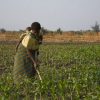
Full Gender Equality Almost 300 Years Away at Current Rate of Progress
While women in rich societies are paid around 25% less than men for equal jobs, those living in impoverished countries receive by far much lower salaries, if any at all.« Previous Page — Next Page »





The Week with IPS

NEXT STOP - SDGs
Tracking global progress towards a sustainable world
Tracking global progress towards a sustainable world
