Languages
Saturday, November 21, 2026



News and Views from the Global South
Regional Categories

– Youth Demand Action on Nature, Following IUCN’s First-Ever Global Youth Summit –
On the occasion of World Environment Day, 5 June 2021, drawing from IPS’s bank of features and opinion editorials published this year, we are re-publishing one article a day, for the next two weeks. The original article was published on April 23 2021

COVID-19 Widens Learning Gap For Girls In Rural Ghana
Seventeen-year-old Muniratu Adams, a form two student of the Jeyiri D/A Junior High School at Funsi in the Wa East District of the Upper West Region of Ghana, is fortunate to have returned to school this January after the long COVID-19 shutdown.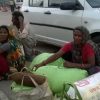
The Issue is Exploitation, not Migration
“There’s no other option but to return,” said Chitrasen in January 2021, when asked if he would migrate back to the city. The previous year’s pandemic-induced lockdown had left migrant workers stranded in cities and stripped of all their savings. An entire year later, as the second wave of COVID-19 engulfs India, many migrant workers find themselves confronted by a similar situation.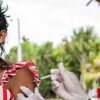
To Beat Covid, Beat HIV, & Beat Inequality, Find the Money
In this time of intersecting crises – the Covid crisis, the HIV crisis, the inequality crisis, and more – progress on all these crises is being blocked by another crisis: finance.
Q&A: If China had a Free Press COVID-19 Pandemic ‘May not Have been so Severe’
China is one of the worst places in the world for media freedom, according to the global media watchdog Reporters Without Borders (RSF) which ranked the country 177 out of 180 in its latest World Press Freedom Index. In the report, the group warned that Beijing is taking “internet censorship, surveillance and propaganda to unprecedented level,” and had “taken advantage of the Covid-19 pandemic to enhance its control over online information even more”. China is also the world’s biggest jailers of journalists with more than 120 journalists and what the group calls “defenders of press freedom” currently detained.
– Indonesia’s Climate Villages Where Communities Work Together to Mitigate Climate Change –
On the occasion of World Environment Day, 5 June 2021, drawing from IPS’s bank of features and opinion editorials published this year, we are re-publishing one article a day, for the next two weeks. The original article was published on April 7 2021

People Power: Why Mobilisations Matter Even in a Pandemic
It has been one year since the police murder of George Floyd, an outrage that resonated around the world. The killing forced people to the streets, in the USA and on every inhabited continent, to demand respect for Black lives and Black rights, proving that protest was essential even during the pandemic.
How the US is Obstructing Security Council Resolutions on Palestine
Over the past 75 years, there have been many UN Security Council (UNSC) resolutions acknowledging Israel’s violations of international law, including a Resolution under Chapter VI of the UN Charter, that could have addressed, if implemented, the plight of the Palestinians.
India’s Second COVID-19 Wave Shatters Livelihood Hopes of Poor Migrant Labourers
Last month, in the midst of New Delhi’s coronavirus lockdown, 37- year-old labourer Prakash Kumar wanted to return to his rural home in India’s northern state of Uttar Pradesh. But instead of travelling the usual few hours by bus, Kumar had to journey for three days.
– Conserving Tigers, Elephants and Bison, One LPG Stove at a Time –
On the occasion of World Environment Day, 5 June 2021, drawing from IPS’s bank of features and opinion editorials published this year, we are re-publishing one article a day, for the next two weeks. The original article was published on April 1 2021

Not Without My Hijab: Why Representation in Sports Matter
In 2016, when Bosnian-American professional basketball player, Indira Kaljo got in touch with Asma Elbadawi because she had been forced to give up playing basketball after she started wearing the hijab, they decided to take it up with the International Federation of Basketball (FIBA), the sports governing body to change its rules on headgear.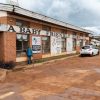
Wards Without Water
Malawian healthcare workers are facing challenges from all sides. More than half of healthcare facilities in Malawi are without handwashing facilities, almost two thirds have no decent toilets and almost one fifth do not have clean water on site.
Developing Countries Desperately Need COVID-19 Financing
Failure to sufficiently accelerate comprehensive efforts to contain COVID-19 contagion has greatly worsened the catastrophe in developing countries. Grossly inadequate financing of relief, recovery and reform efforts has also further set back progress, including sustainable development.
Why Latin America is the Middle East of Biofuel
Latin America has lots of natural advantages for the coming energy transition. It already has the greenest power matrix in the world. While having the planet’s largest reserves of copper make it a key provider for international electrification programmes.
– A Growing Shift in the Narrative about Climate Action –
On the occasion of World Environment Day, 5 June 2021, drawing from IPS’s bank of features and opinion editorials published this year, we are re-publishing one article a day, for the next two weeks. The original article was published on February 25 2021

Why Our Best Defence Against Future Pandemics is Data
Although the World Health Organization’s (WHO) mission to discover its origins has proven inconclusive, the Covid-19 pandemic has nonetheless clearly highlighted the need for better care, attention, and investment in animal health systems.
Five Ways to Measure the Effects of a Crisis Like COVID-19 on Women
Social issues and crises tend to affect women more severely than men. This is why terms like “gender mainstreaming policies”, “gender-responsive interventions” and “gender-based budgeting” have become more popular in public policy discussions in recent years.
Q&A: Reflecting on Five Years of Educating Children in the Throes of Crises, Emergencies and Displacement
Education Cannot Wait (ECW), the global fund that brings teaching and learning to children in emergencies and protracted crises, is observing five years of reaching boys and girls in some of the world’s hardest-hit conflict and disaster zones.
Tired with Tokenism, Youth Launch ‘Stronger Campaign’ for UN Biodiversity Day
The Global Youth Biodiversity Network (GYBN) has put leaders and policymakers on notice that they are not willing to listen to the same conversations, suggestions and unmet promises, as the world faces a biodiversity crisis.
– The Global Insecurity of Climate Change –
On the occasion of World Environment Day, 5 June 2021, drawing from IPS’s bank of features and opinion editorials published this year, we are re-publishing one article a day, for the next two weeks. The original article was published on February 24 2021

Wanted: Transparency & Accountability in Pandemic-Related Spending
Governments around the world are playing a crucial role in providing lifelines to people and firms to help combat the pandemic and its economic fallout. To support the effectiveness of these efforts, it is important that such spending be subject to adequate transparency and accountability.« Previous Page — Next Page »


The Week with IPS

NEXT STOP - SDGs
Tracking global progress towards a sustainable world
Tracking global progress towards a sustainable world
