Languages
Sunday, November 22, 2026



News and Views from the Global South


GEF Project to be Game-changer for Trinidad Quarries
 A Trinidad and Tobago parliamentary report in 2018 made two disturbing observations about that country’s quarry sector:
- Of the 67 mining operators on record, only 6 were operating with current licenses;
- The State loses large sums in the form of unpaid/uncollected royalties from quarry companies.
Life in the Time of COVID-19: Quo Vadis Homo Sapiens?
The writing is on the wall for all to see from far and wide – there is nowhere to hide from this invisible enemy, a new coronavirus, maybe with the exception of self-isolation, quarantined at home and even then, we are not 100% safe.
West First Policies Expose Myths
As the epicentre of the COVID-19 pandemic shifts from China to the developed West, all too many rich countries are acting selfishly, invoking the ‘national interest’, by banning exports of vital medical supplies.
Harness Youth to Change World’s Future
Vanessa Nakate of Uganda may have been cropped out of a photograph taken at the World Economic Forum, but she along with Swedish activist Greta Thunberg have made the climate crisis centre stage.
Mexico’s Plan to Upgrade Hydropower Plants Faces Hurdles
Water security and profitability are the Achilles heels of the plan to modernise 60 hydroelectric plants in Mexico, drawn up by the administration of President Andrés Manuel López Obrador.
Life in the Times of Corona: Lockdown & Livelihood in the Lurch
The worldwide spread of novel coronavirus disease (COVID-19) is severely affecting the global economy and as per the recent updates almost one-third to half of the global population are now under some form of a lockdown.
Neglected Diseases Kill More People than COVID-19 – It’s Time to Address Them
As COVID-19 surges globally and leaves fear and panic in its wake, global efforts are underway to find a cure. Yet, the same level of response is lacking for several other infectious diseases that kill millions annually. These kinds of neglected tropical diseases (NTDs) are a broad group of communicable diseases which affect more than two billion people and cost developing economies billions of dollars every year.
A Story of Triumphs and Tribulations: Implementing Services for Autism in Bangladesh
A few days ago, a friend said to me that my focus on autism, although rather successful, had “sucked out all energy from other critical areas of social need in Bangladesh.” My friend wanted to know if I would be interested in expanding my visibility and successful approach to autism, to other issues that have apparently been left by the wayside due to everyone’s eagerness to work on an issue popular with the Prime Minister’s daughter!
Supporting Informal Workers During the COVID-19 Crisis
Farmers, agricultural labourers, and informal sector workers are the worst hit by COVID-19 and the resulting lockdowns. Here are some steps that the government and banks can take to help them cope financially.
Slums, Camps, Terrorism: Experts Worry about Coronavirus Hitting South Asia
As coronavirus makes its way through different continents, countries, and communities around the world having claimed more than 23,000 lives, experts are ringing alarm bells about the implications of the disease as it hits South Asia, which hosts almost 2 billion of the world’s population.
Saluting IPS Journalists and Supporters during Covid19 Pandemic
As the coronavirus pandemic shifts around the world, now stretching even the developed health services of richer nations to breaking point, here at IPS our dedicated journalists in developing countries are standing strong in giving a voice to the Global South.
Zimbabwe’s Afforestation Challenge
“I have never planted a tree in my life,” laughs Jairos Saunyama, a tobacco farmer, revelling at the absurdity of the question of whether he is involved in the country's afforestation efforts. Sawunyama is one of thousands of farmers who are blamed by local conservationists for turning the country's forests into deserts and dust bowls.
India’s Trinity of Challenges
The exigencies of combatting the coronavirus pandemic on a war-footing -- Prime Minister Narendra Modi has announced a nationwide stay-at-home lockdown for 21 days to break the chain of transmission -- has certainly deflected attention from equally pressing challenges confronting India. The nation’s capital witnessed horrific communal violence when the US President was visiting India, triggering international outrage, including from the South. The economy also deserves attention as growth has been decelerating since 2016-17. With the virus shock, the pace of expansion will contract as the economy shuts down and slides into recession.
Coronavirus & Early Lessons from China
The impact of the coronavirus is having a profound and serious impact on the global economy and has sent policymakers looking for ways to respond. China’s experience so far shows that the right policies make a difference in fighting the disease and mitigating its impact—but some of these policies come with difficult economic tradeoffs.
Chinese vs. Western Governance: The case of COVID-19
During January the onslaught in the Western media, notably the US and the UK, against the Chinese government’s handling of the Covid-19 epidemic, was merciless. The Chinese government stood accused of an inhumane attitude towards its people, secrecy, a cover-up, and an overwhelming concern for its own survival above all other considerations.
Can Eswatini’s Traditional Healers Encourage HIV Testing Among People Not Accessible via Routine Healthcare Systems?
Doctor Khalishwayo is a traditional healer based in Nhlangano, a town in the Shiselweni Region, in southern Eswatini. His clients are people who consult him when they are suffering from different ailments. And he in turn diagnoses them using divine methods.
Far From Home During a Pandemic
Nepali workers in Qatar who have been quarantined in a camp that has been closed off for two weeks say that aside from concerns about jobs and health, they are now also worried about their families back home.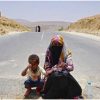
Coronavirus Worsens Yemen’s Long Tale of Woe
In every room in Yemen’s Al-Saba’een hospital, patients in critical condition waited on chairs, and still others laid on the bare ground. I saw women and girls sharing beds in pairs, and children laying close together being treated.
East Asian Lessons for Controlling Covid-19
By the third week of March 2020, the number of Covid-19 deaths in Italy had overtaken the number of deaths in China. Authorities all over the world are restricting the movements of their populations as part of efforts to control the spread of Covid-19.
COVID-19 in the Time of Insecurity
Humankind has outlived multiple pandemics in the course of world history. The kingdoms and states of Central and Western Europe abolished the institution of serfdom once it had become clear that medieval rule in the aftermath of devastating pestilence would founder without ending the dependency and servitude that characterized the Dark Ages. The vulnerability of entire nations to the risk of total collapse in the absence of widespread access to the most basic healthcare in the Spanish Flu spurred governments to build the public health systems that have made the progress and development of the last hundred years possible. If the past is prologue, then continuity and survival command that we change.
Is It Time to Postpone the 2020 Climate Summit?
With the coronavirus pandemic sweeping the planet and the governments of both wealthy and poorer nations overwhelmed by the demands of managing a response, the scheduling of this year’s critical UN Climate Summit is suddenly in doubt.« Previous Page — Next Page »


Want to keep up with the latest news and views from the Global South? Sign up for IPS Daily News Report for daily emails with our top stories about international development, climate change, gender and more. (Formerly IPS TerraViva since 1993).

The Week with IPS

NEXT STOP - SDGs
Tracking global progress towards a sustainable world
Tracking global progress towards a sustainable world
